JoeisaRobot
JoeisaRobot
JoeisaRobot
Pioneering robot-arm integration and automated retail technology
Analyzing industrial technology routes, localization, and supply chain structures
Modern commercial coffee roasting is shifting from classic manual convection drums to AI-assisted, profile-replicating smart thermal systems. Dual-fuel gas modulations, precise variable-speed hot air recycling, and real-time bean temperature (BT) curve synchronization are reshaping how global brands source and standardize their roast profiles.
Global beverage chains require full-stack factory automation. From green bean silo pneumatic conveying and automated destoning to high-capacity industrial batch roasters integrated with centralized PLC control rooms, we bridge the gap between heavy industrial mechanical engineering and flexible boutique roasting requirements.
Navigating global standards is crucial. High-quality roasters must adhere to CE, UL, RoHS, and FDA guidelines. Furthermore, localized exhaust systems, integrated catalytic wet scrubbers, and strict VOC emission controls are essential for urban installation across EU and North American jurisdictions.
E-E-A-T Authority Metrics, Production Verification and Export Footprint



State-of-the-art precision metal workshops, testing bays, and assembly lines
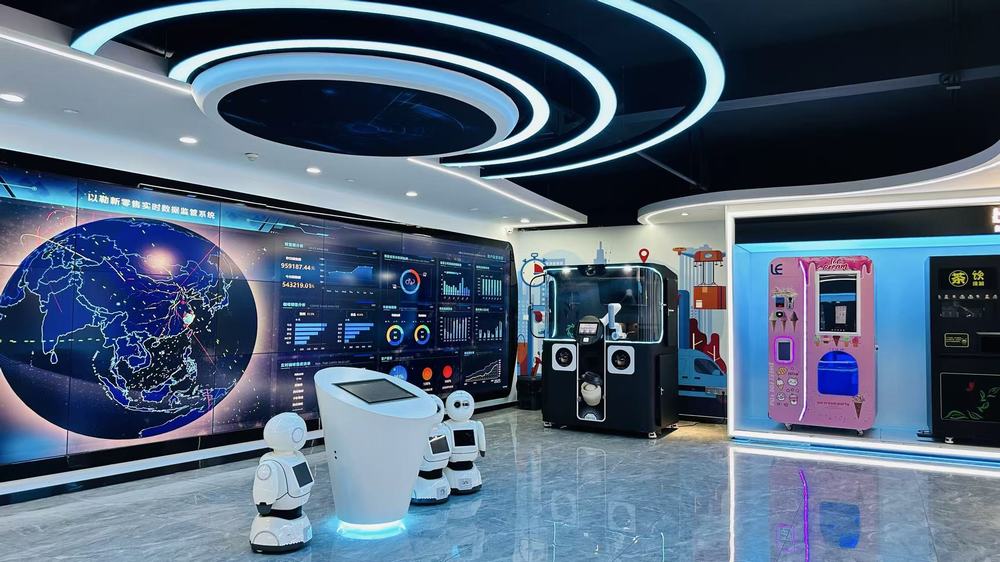
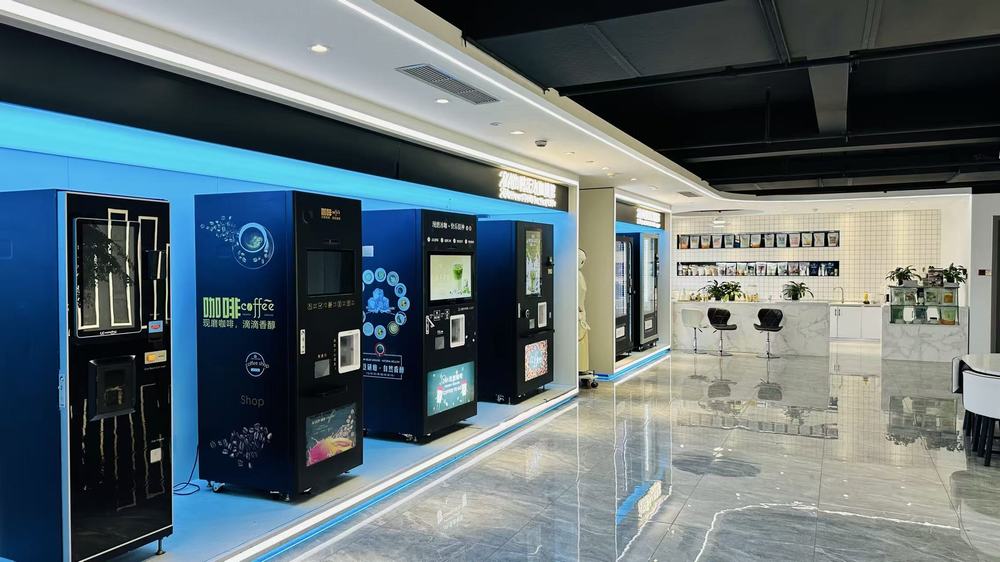
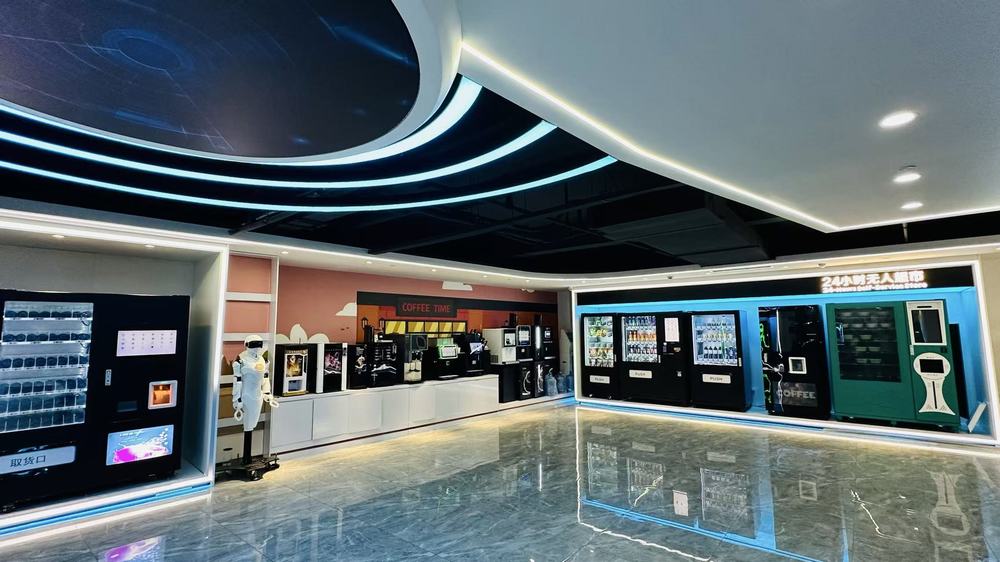
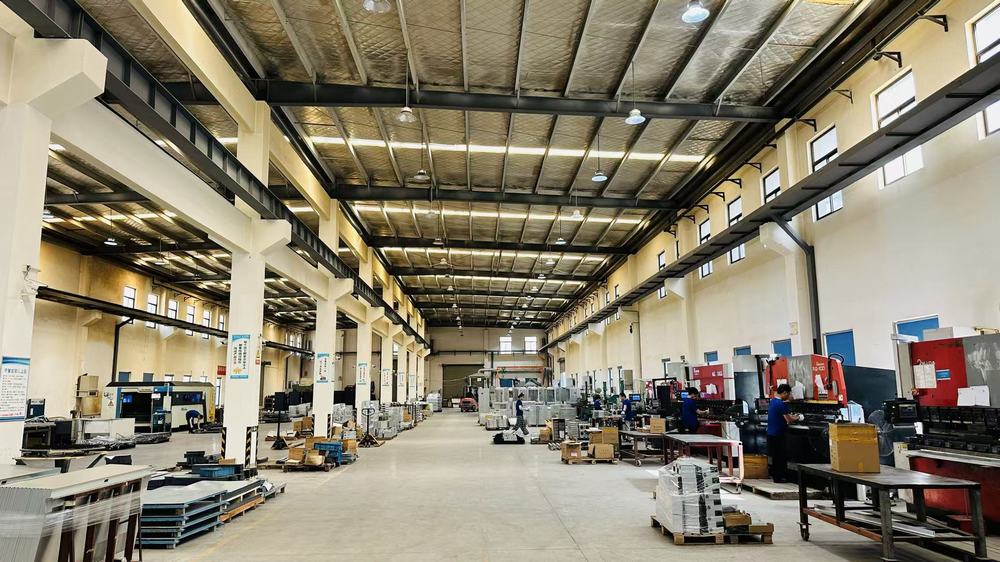
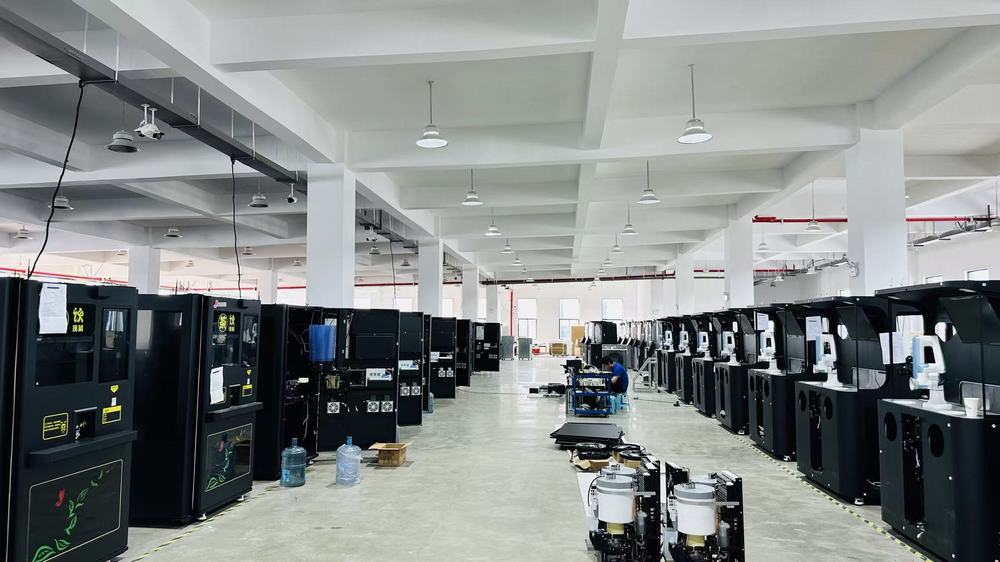
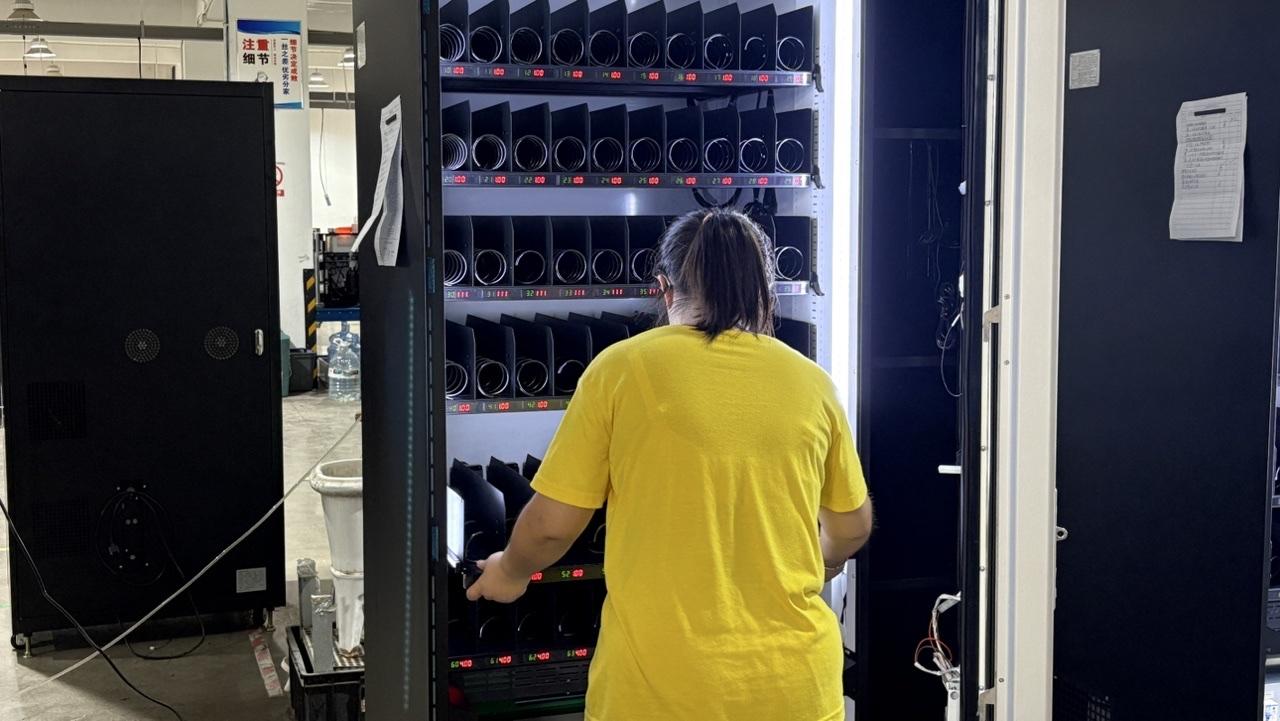
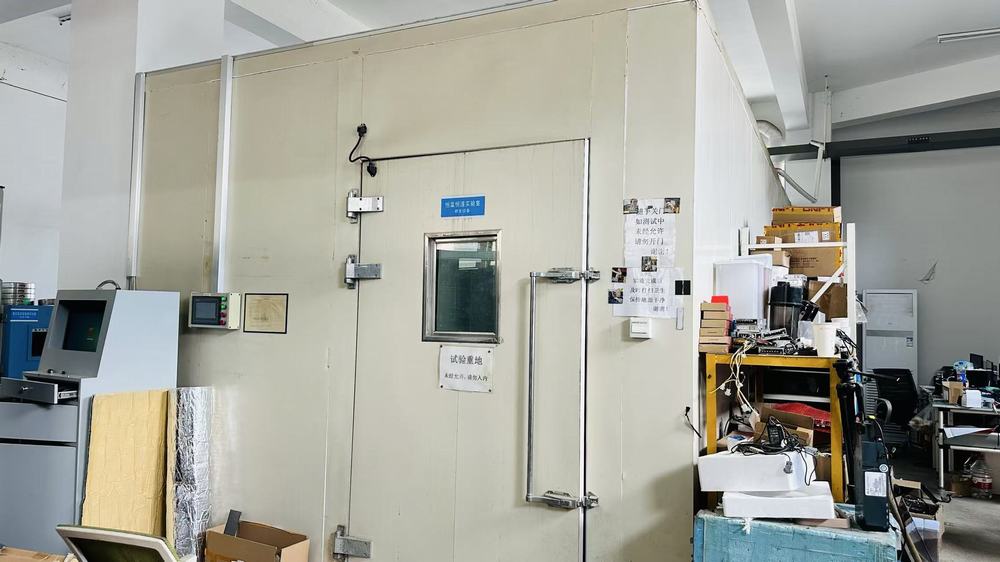
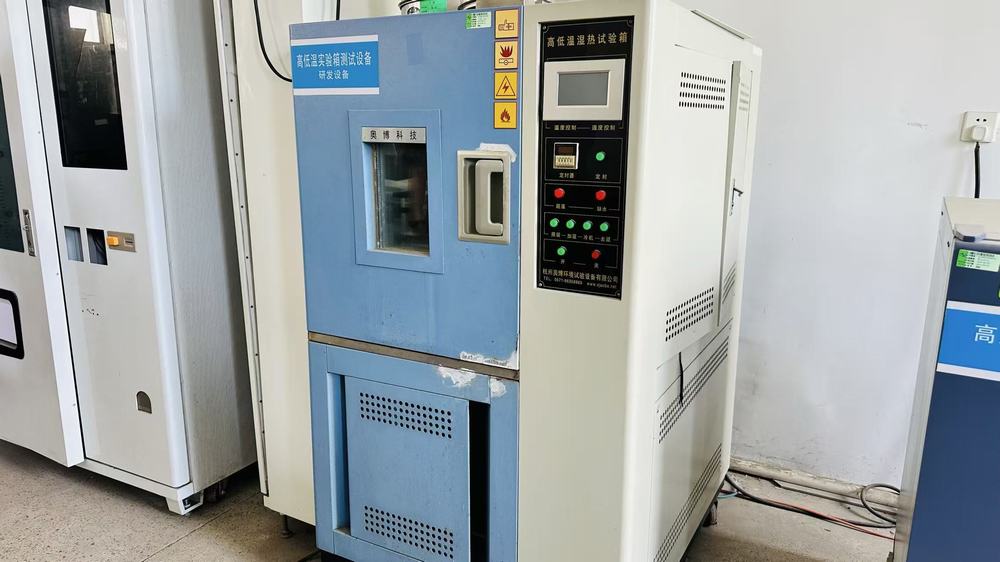
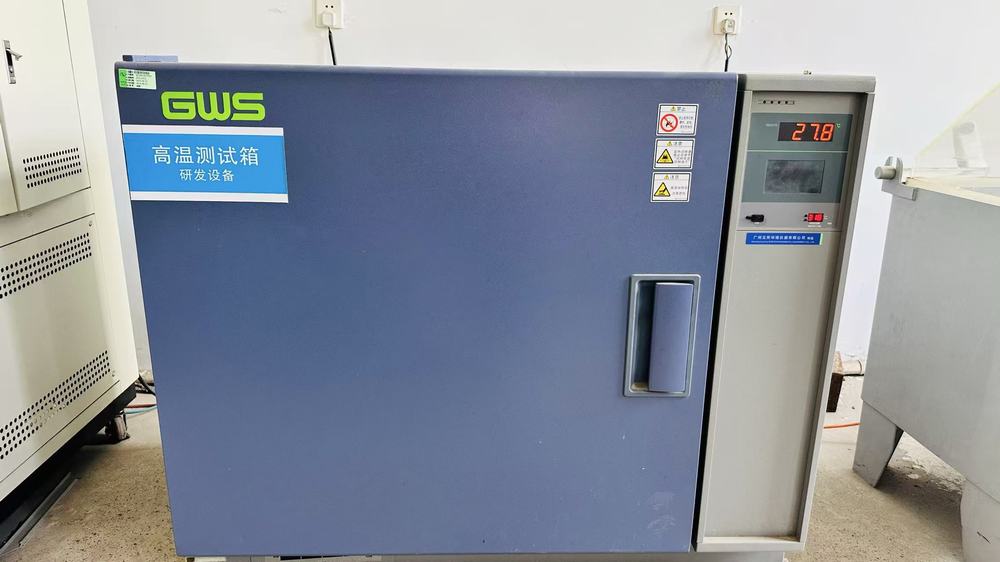
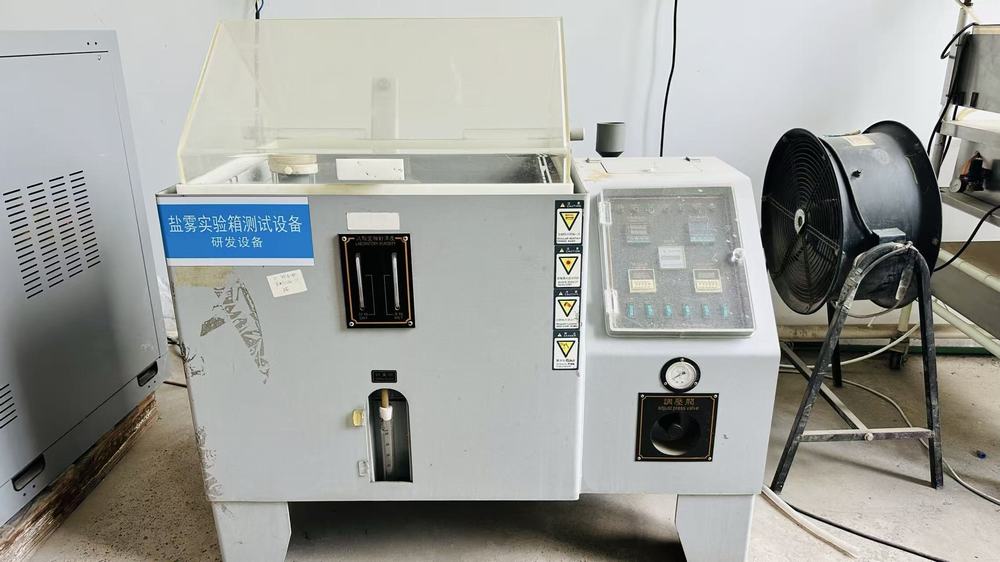
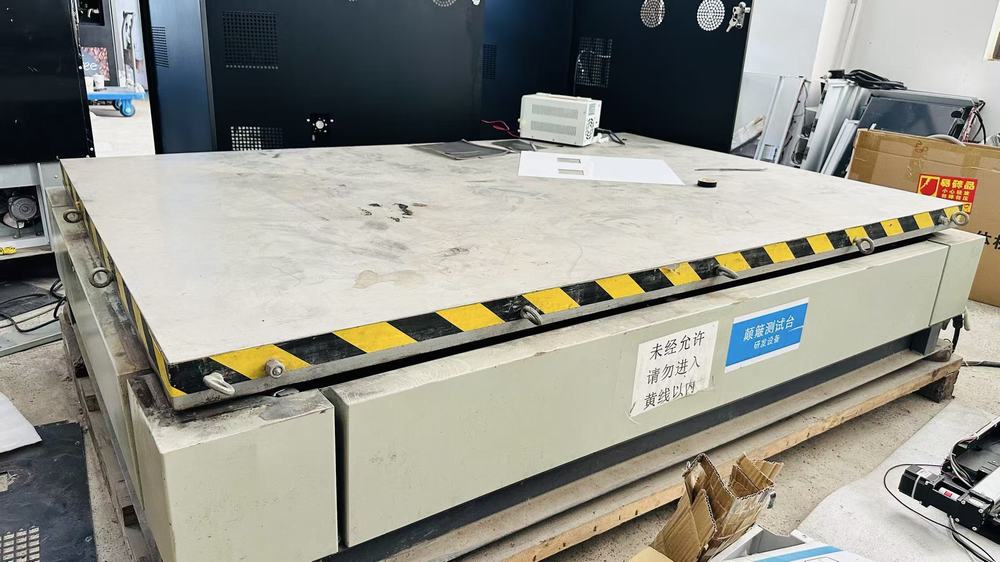
Understanding procurement mandates, supply chain resilience, and digital infrastructure
In the wake of dynamic global trade environments, multi-regional enterprises look for manufacturers that offer transparent raw material sourcing, alternative component options, and robust inventory systems. Relying on integrated localized suppliers ensures delivery schedules are met without disruption.
Enterprise clients demand more than off-the-shelf equipment. They need flexible mechanical adaptations, PLC software tailoring, localized translation options, and customized graphic branding. Providing modular architecture speeds up customization and reduces engineering overhead.
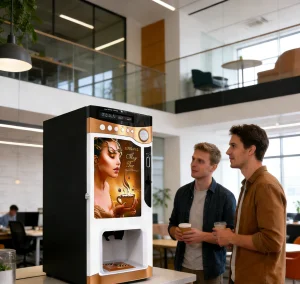
Modern commercial equipment must be connected. Incorporating cloud management portals, real-time error reporting, automated cleaning cycle logs, and cashless payment interfaces enables operators to manage distributed machinery efficiently with minimal downtime.
Addressing top technical questions from professional buyers and roaster operators
For North American markets, UL (specifically UL 197 or UL 751 for vending machines) and NSF sanitation standards are critical. For European markets, CE certification and compliance with electromagnetic compatibility directives, along with RoHS and IEC 60335 electrical safety compliance, are mandatory.
By employing PID-controlled heating elements and real-time gas flow modulators coupled with temperature sensors. Advanced roasters automatically adjust thermal output to compensate for variations in ambient temperature and air humidity, ensuring the roast profile remains consistent.
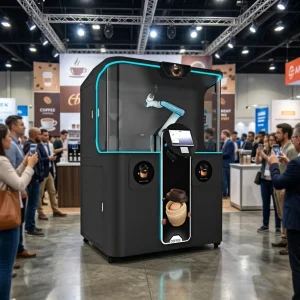
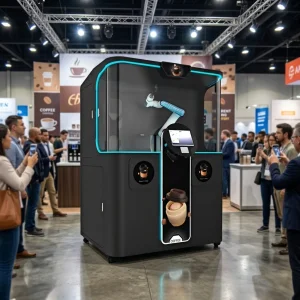
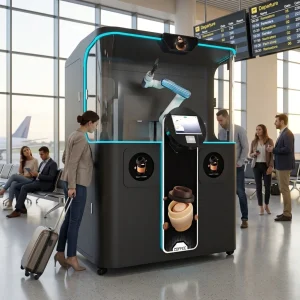
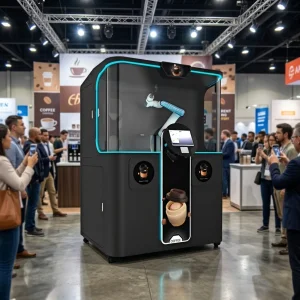
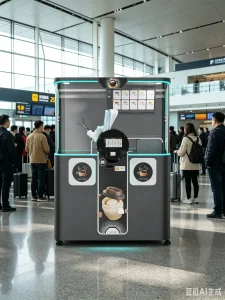
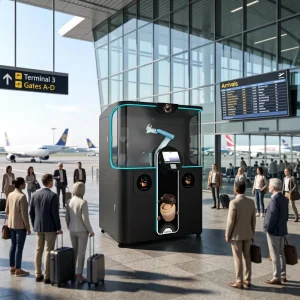
Robotic arms simulate a professional barista, delivering freshly ground, bean-to-cup espresso with latte art capabilities. These units generate higher average transaction value, create interactive user engagement, and require less operational maintenance thanks to automated cleaning cycles.
Explore our full line of interactive coffee makers and automated kiosks