JoeisaRobot
JoeisaRobot
JoeisaRobot
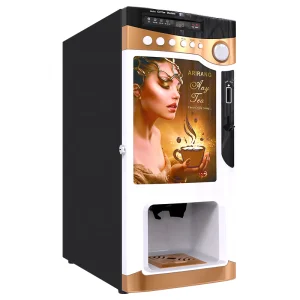
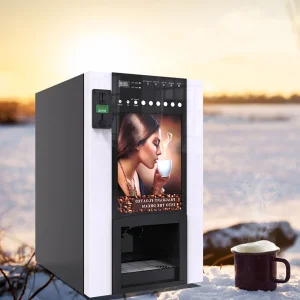
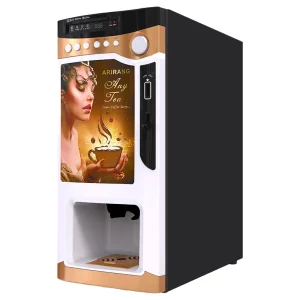
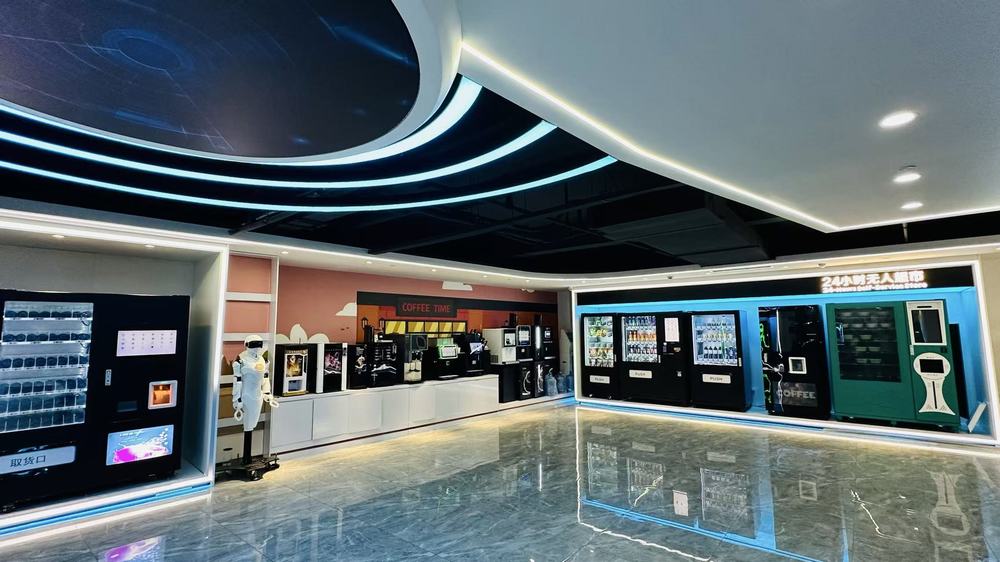
Automated coffee, ice cream, and beverage vending systems designed for high-traffic environments and modern retail integration.
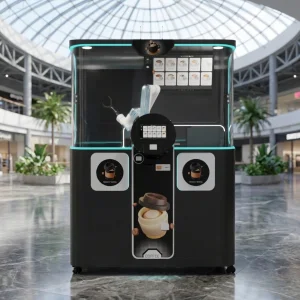
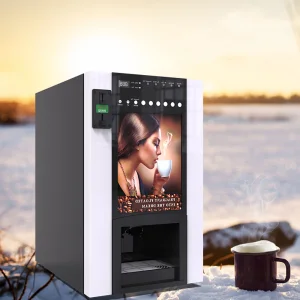
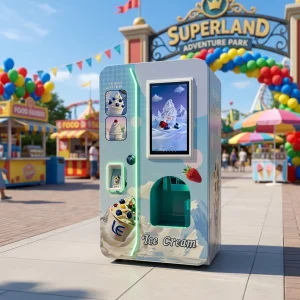
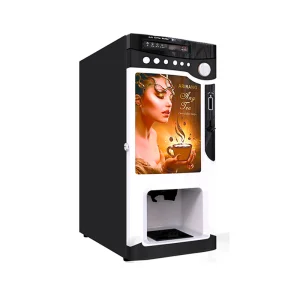
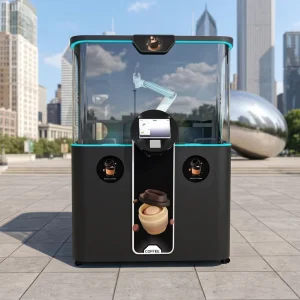
The global retail landscape is shifting rapidly toward unattended smart infrastructures. Modern mobile commercial assets have moved far beyond basic steel frames on wheels. Driven by advancements in smart payment integration, telemetry, and robotic automation, today's beverage kiosks serve as modular micro-stores. Brands use them to bridge the gap between traditional retail footprint limitations and instant customer access.
Key market drivers include rising labor costs, real estate constraints in urban commercial hubs, and consumer expectations for contactless, on-demand premium food and beverage options. The integration of robotic barista arms, advanced cooling systems, and SDK-supported software configurations allows global operators to deploy highly customized vending carts in high-traffic zones like airports, tech parks, transit terminals, and university campuses.
MDB and Pulse protocol payments supporting contactless debit, regional mobile apps, and coin acceptors for friction-free micro-purchases.
Real-time data interfaces track ingredient levels, machine diagnostics, operational temperatures, and transaction speeds remotely.
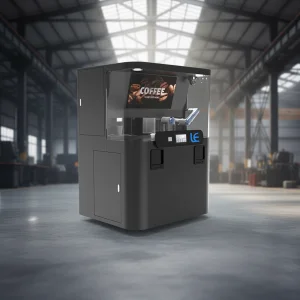
Precise robotic-arm coordination with fresh-milk maintenance systems, syrup toppings dispensers, and custom branding overlays.
For brands, wholesalers, and retail operators sourcing custom machinery at scale, the decision relies on engineering validation. Equipment must perform reliably in outdoor environments or varying power networks while maintaining food safety standards. Important technical considerations include:
| Parameter | Entry-Level Desktop Units | Advanced Smart Kiosks | Robotic Barista Stations |
|---|---|---|---|
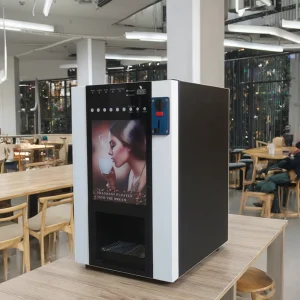
| Cup Capacity | 100–150 cups (internal dispenser) | 200–300 cups (automatic dispenser) | Dual bean hoppers + fresh milk system |
| Payment Support | Coin, Bill acceptor, Basic MDB | MDB, Nayax Reader, QR, Credit Card | SDK custom API, POS, Multi-Protocol |
| Cooling System | Thermoelectric or Air-cooled | Heavy-duty compressor refrigeration | Multi-zone compressor, milk preservation |
| Customization Scope | Light customization, decals | Custom interface, chassis modifications | End-to-end OEM / ODM hardware & SDK |
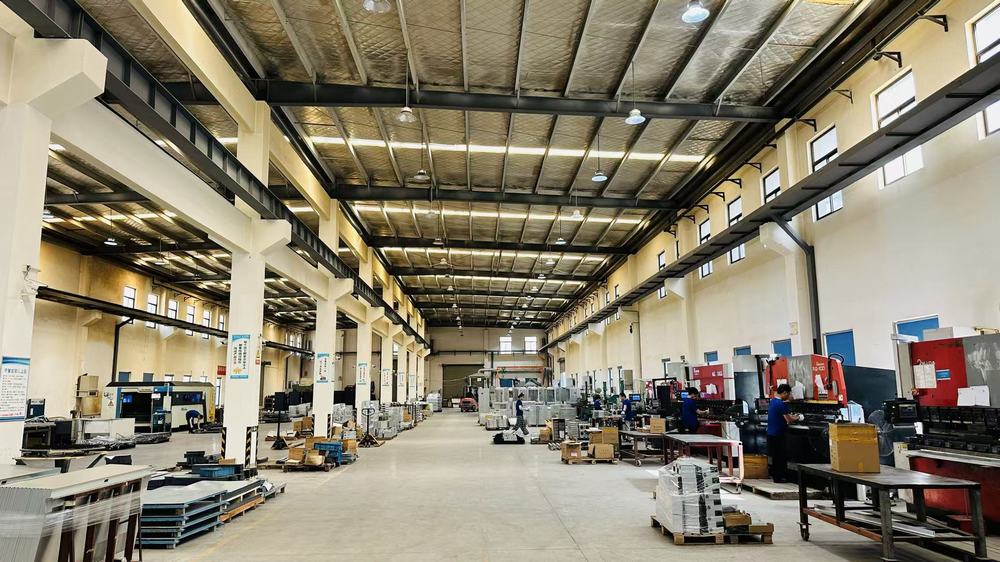
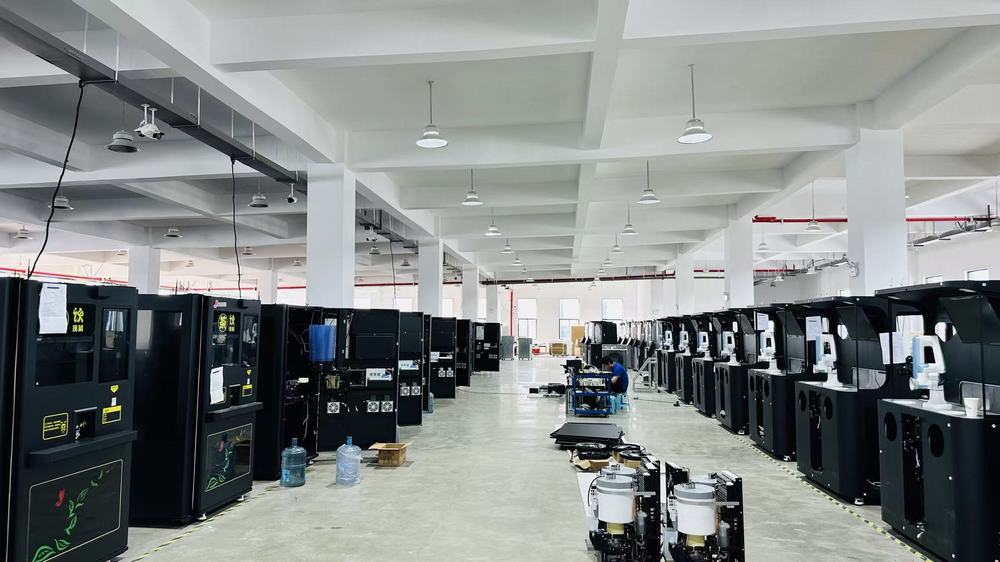
Our state-of-the-art facility in China spans 32,496 square meters, utilizing structured industrial workflows to deliver global-standard commercial machinery. Operating 6 active production lines with an annual capacity of 134,000 units, we combine scale with rigorous quality controls. This enables us to provide cost-efficient manufacturing without compromising on compliance or material grade.
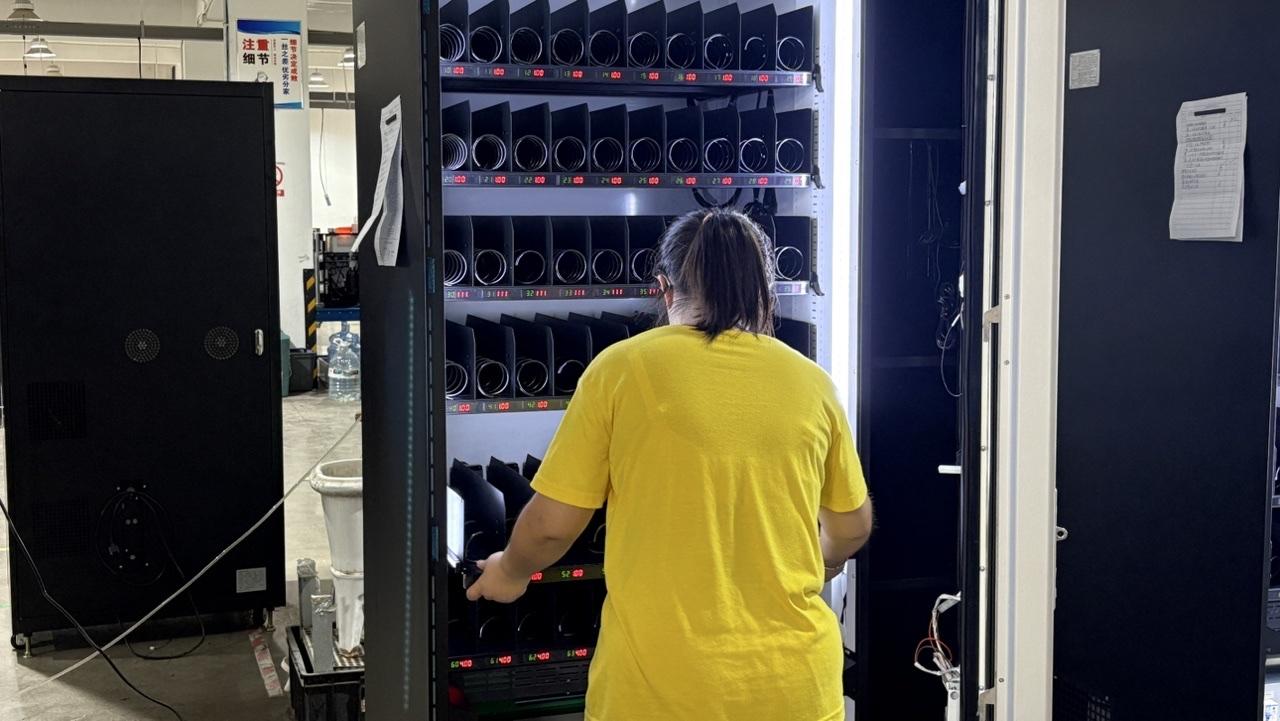
Our raw material trace protocols track structural steel, refrigeration compressors, and digital controller boards back to vetted tier-1 supplier partners. Every unit undergoes 100% inspection before dispatch. The production facility is supported by 15 graduate engineers who oversee electrical, software, and mechanical updates, ensuring our products keep pace with current IoT developments.
A look into our production capacity, certifications, and international capabilities.



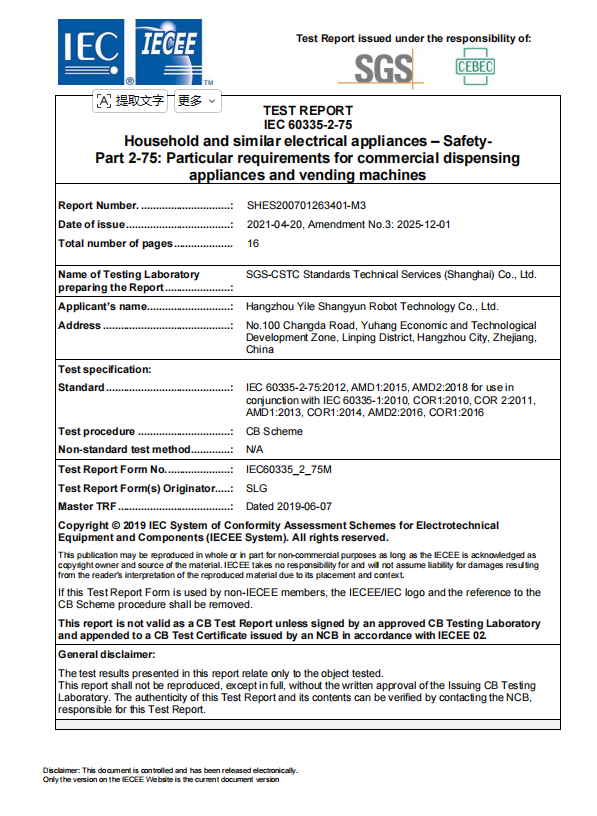
Our commercial-grade mobile vending units and coffee kiosks are deployed in various settings, each with its own operational requirements:
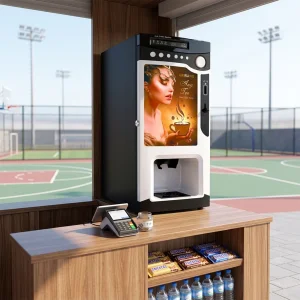
Automated robotic arm baristas and coffee vending carts can provide 24/7 cafe-quality beverages inside office buildings without requiring dedicated kitchen staff. MDB-driven cashless payments integrate with employee keycard systems.
High-capacity automatic cup dispensers and quick-recovery cooling systems process large volumes during peak transit hours. These systems operate continuously with remote tracking to alert staff when refills are needed.
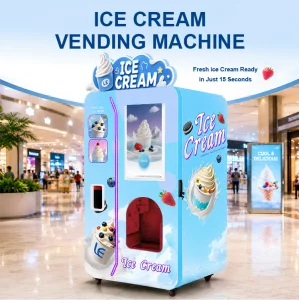
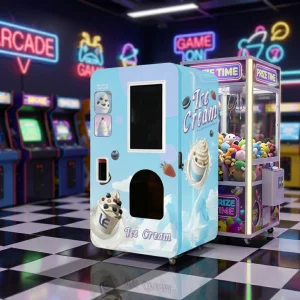
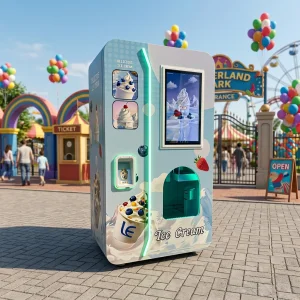
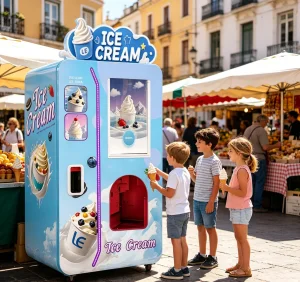
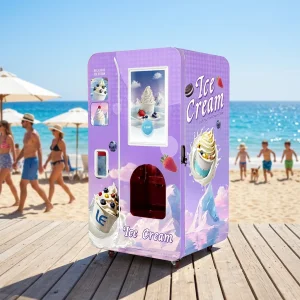
Weatherproof gelato and soft-serve ice cream vending kiosks with multi-flavor dispensers allow operators to sell desserts at high margins in high-traffic tourist areas.
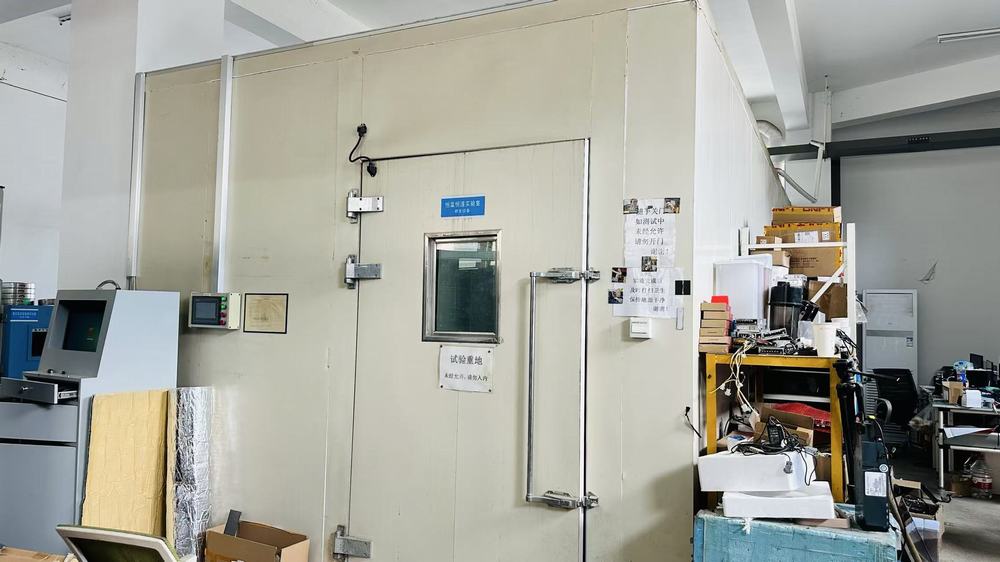
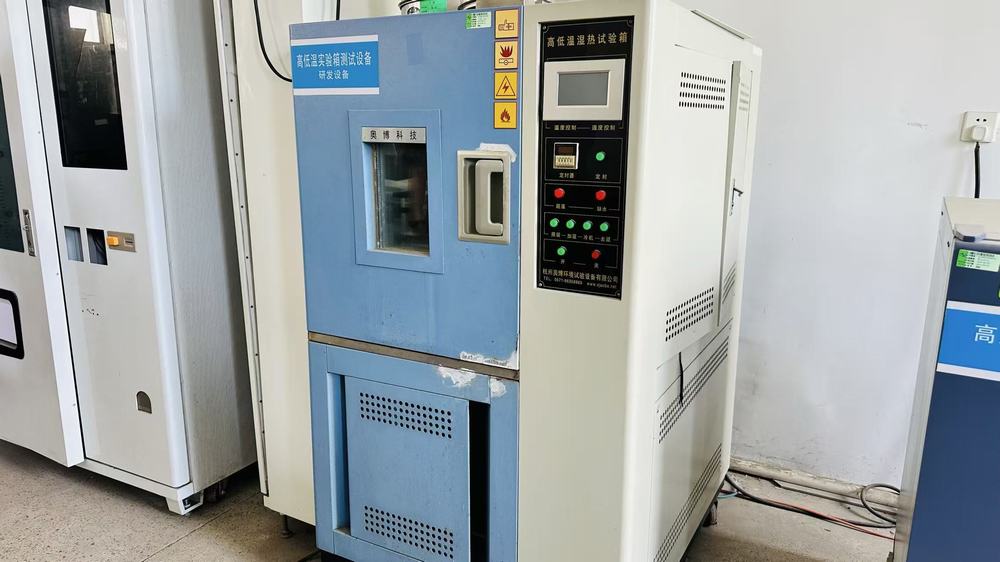
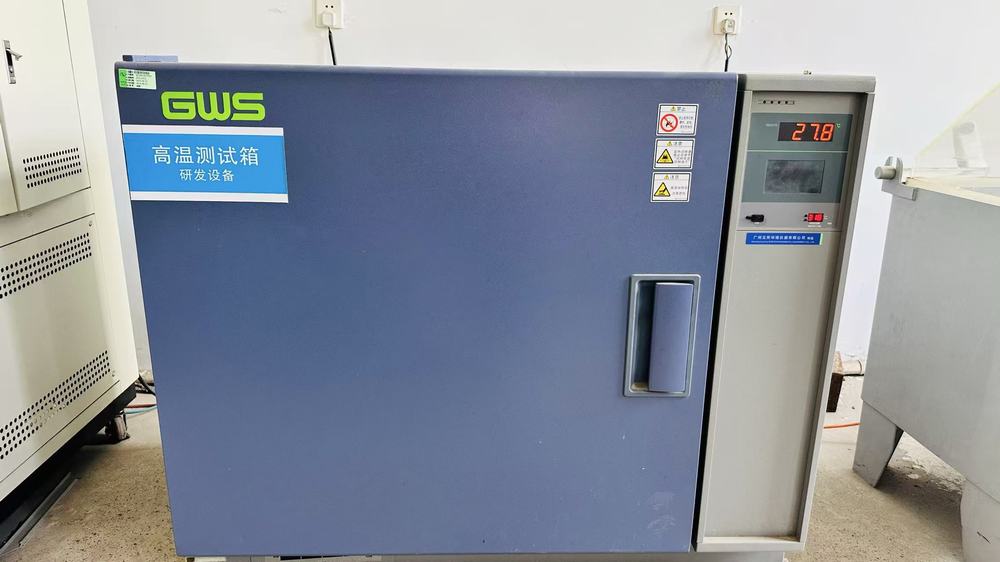
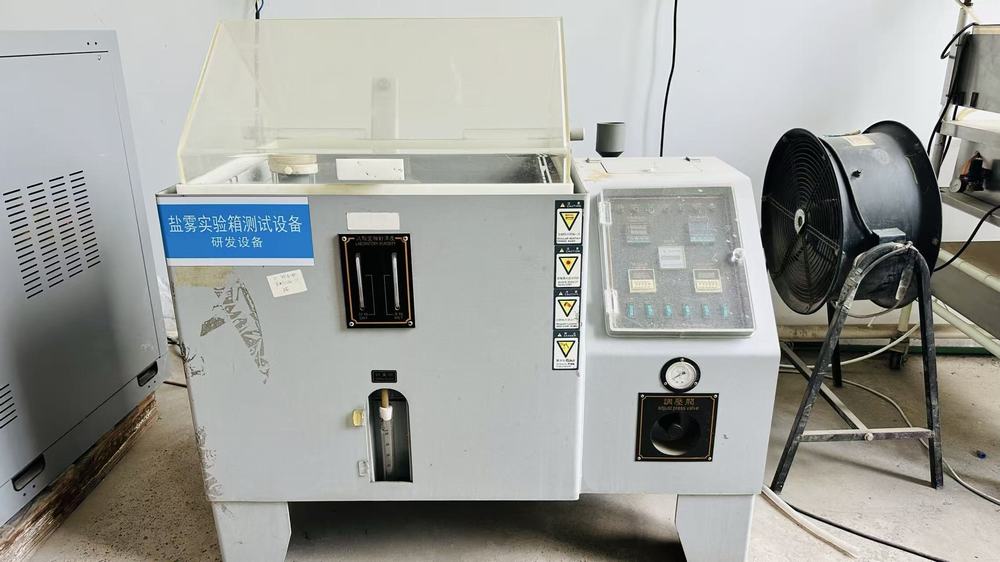
Inside our 32,496㎡ production floor, showcasing manufacturing lines, CNC assembly, and strict QC testing protocols.
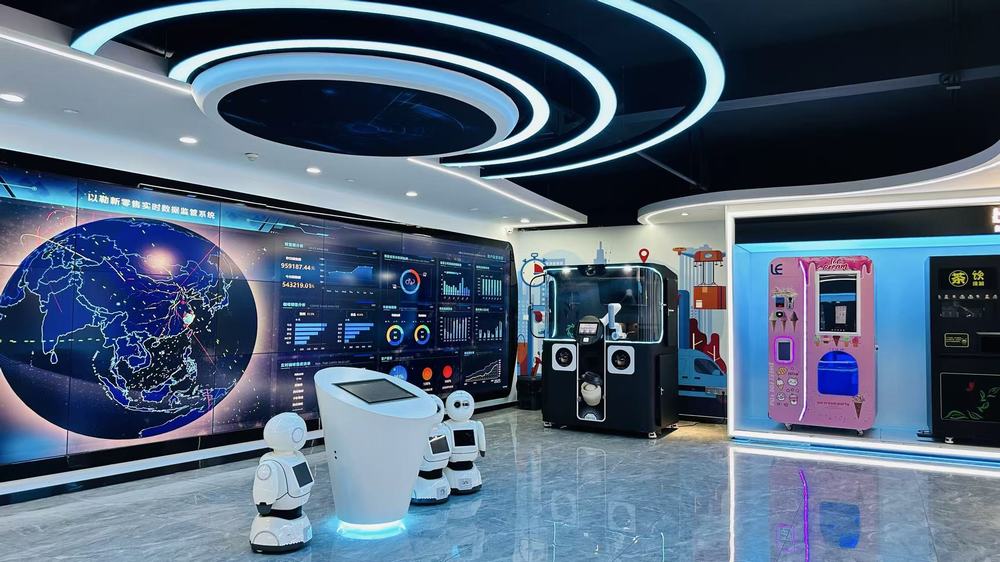
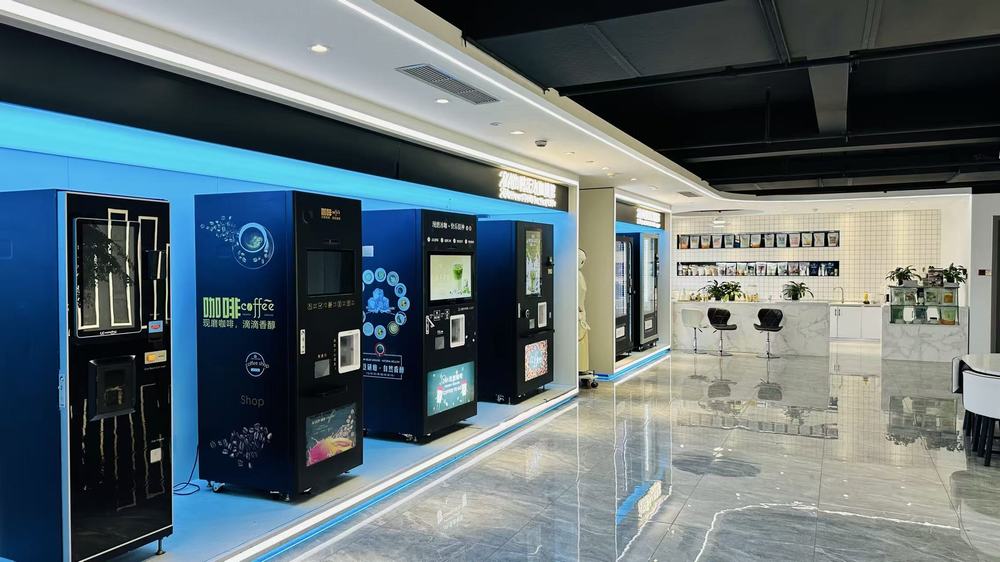
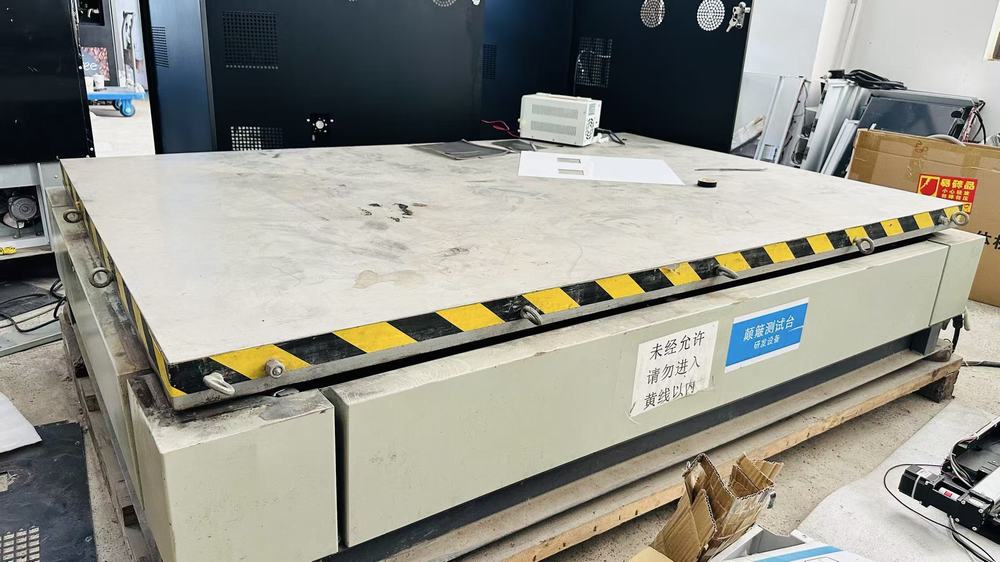
Explore our technical models configured for commercial-grade retail operations.
Technical answers to key procurement and customization inquiries.