JoeisaRobot
JoeisaRobot
JoeisaRobot
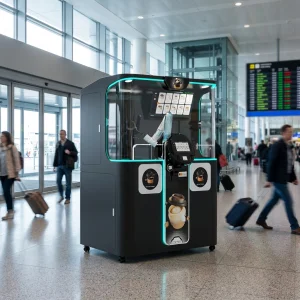
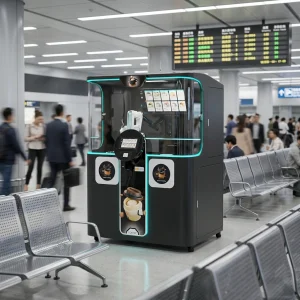
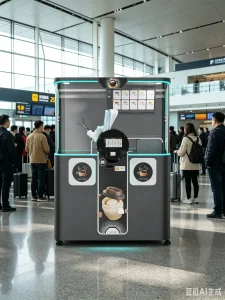
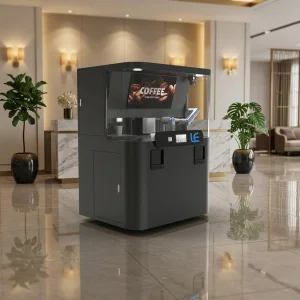
Intelligent fully integrated barista kiosks designed for Melbourne's high-demand corporate offices, transport hubs, and public spaces.
Melbourne is universally celebrated as the specialty coffee capital of the Southern Hemisphere. With an uncompromising customer base demands for micro-foam consistency, origin profile clarity, and extraction temperature control, the local food service industry faces a structural bottleneck: severe labor shortages, rising wages, and the operational strain of maintaining 24/7 service in high-footfall environments like Southern Cross Station, Tullamarine Airport, and major CBD corporate lobbies. This whitepaper analyzes the integration of robot coffee machines within Victoria’s commercial landscape, demonstrating how advanced automated kinematics can coexist with and elevate Melbourne's craft coffee legacy.
For decades, the commercial beverage sector in Australia relied on manual espresso preparation, treating automated vending machines as low-tier alternatives. However, the emergence of the 6-axis cooperative robotic arm, paired with sophisticated IoT telemetry, has rewritten the parameters of automated coffee service. Today, robot baristas do not merely mimic human movements; they execute ultra-precise parameter sweeps that manual baristas find challenging to reproduce over high-volume, continuous shifts.
Key drivers behind the adoption of robotic brewers in Melbourne include:
On a macro scale, the global automated beverage kiosk market is expanding at a CAGR of 18.2% from 2023 to 2030. Industry leaders are focusing on modular architecture—interfaces equipped with software development kits (SDKs), Multi-Drop Bus (MDB) protocols, and customizable UI screens. Manufacturers are transitioning from closed systems to open Android and Linux-based platforms. This allows regional enterprise operators in Australia to seamlessly integrate local transit cards, corporate employee credentials, and proprietary payment processors like Tyro and Quest.
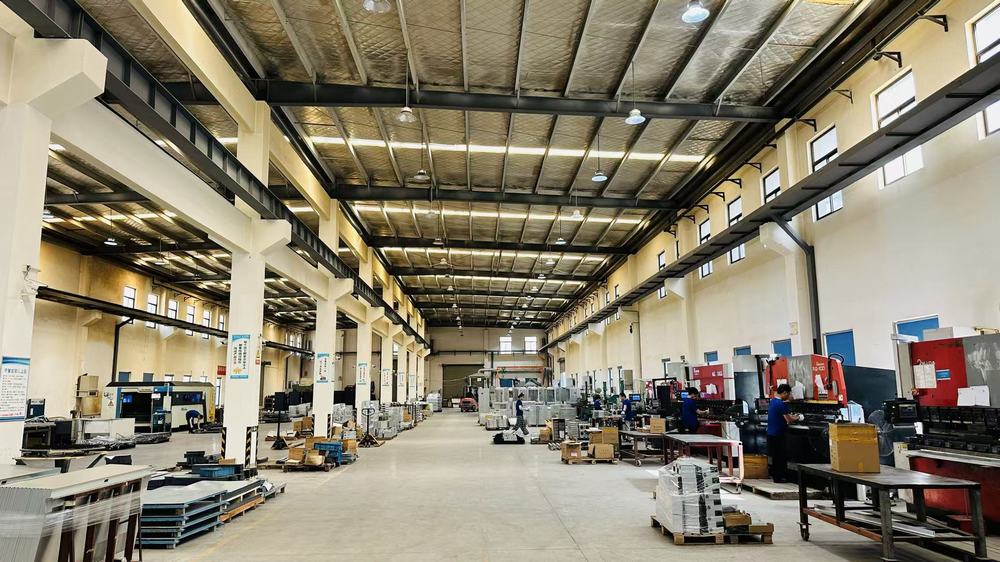
Production Facility
Annual Production Output
Exporting Experience
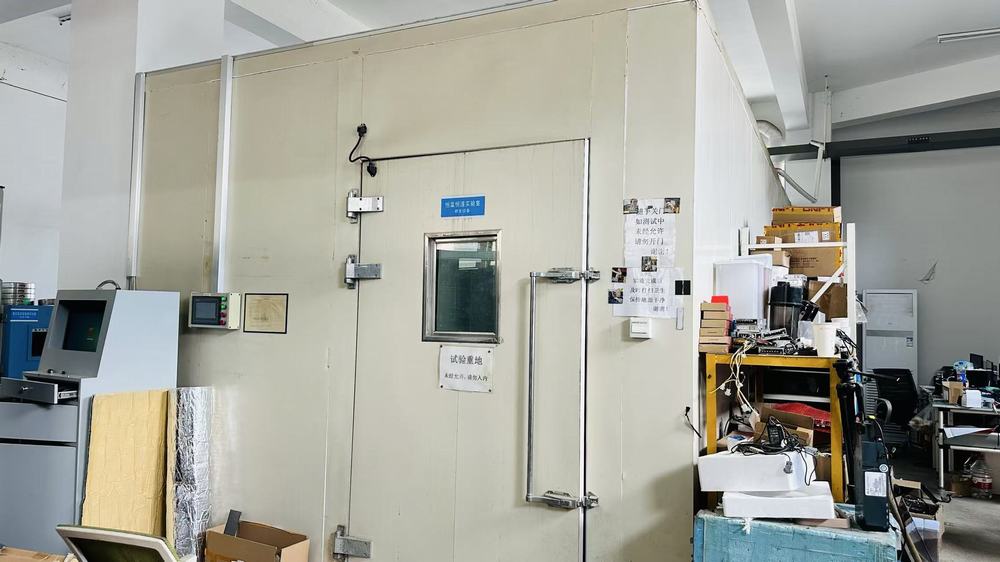
Quality Inspection Passed
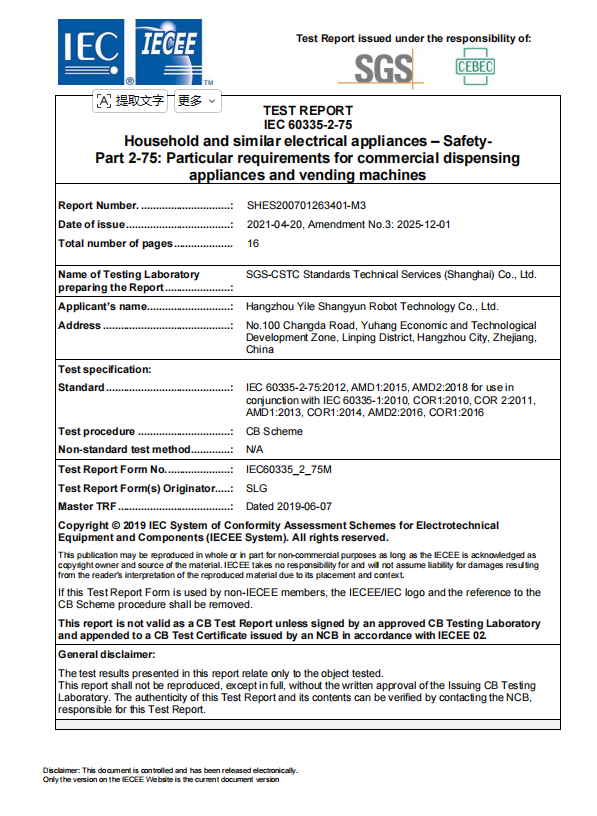
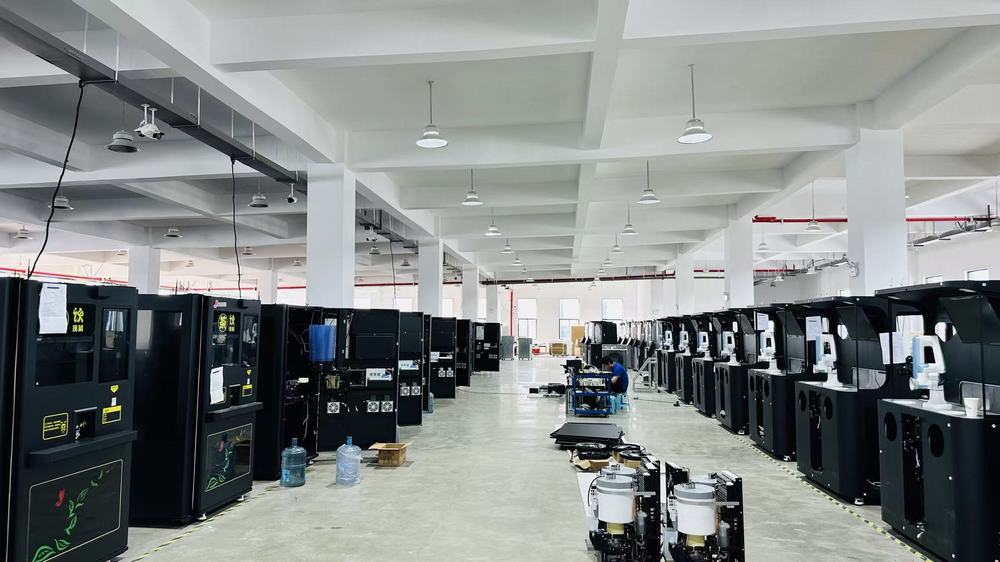
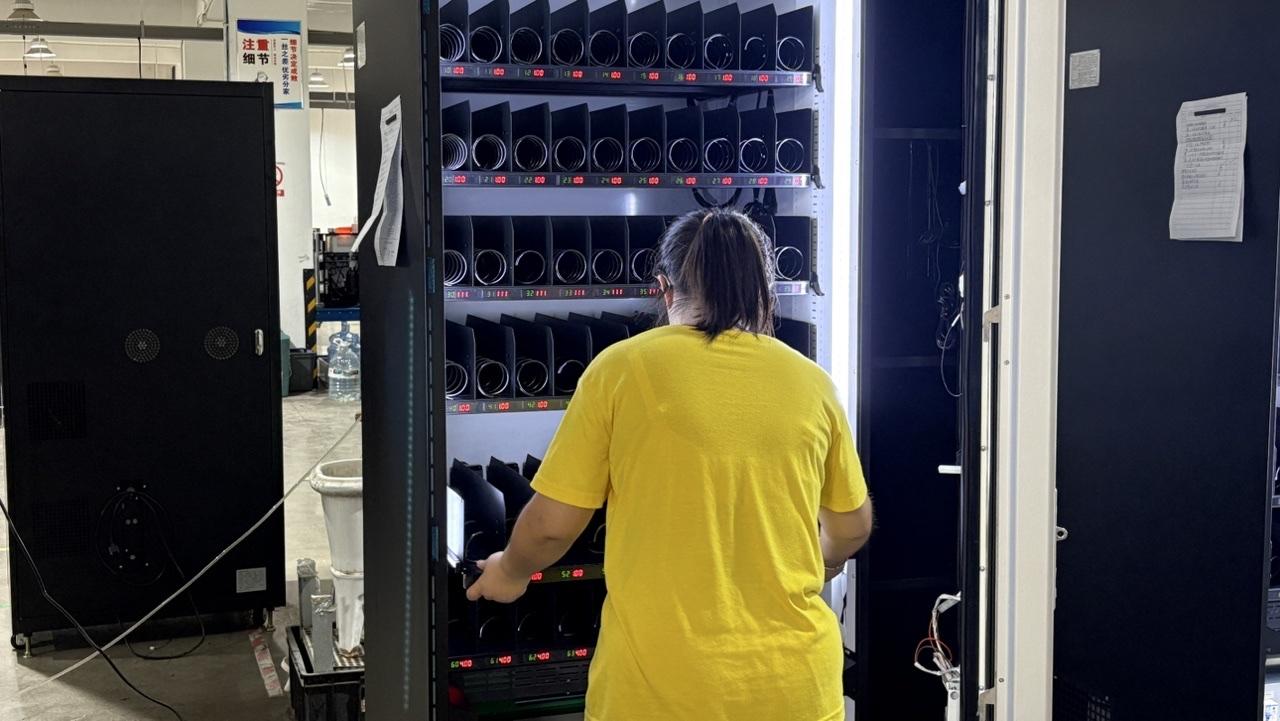
As a Tier-1 global robot coffee machine manufacturer established in 2007, we operate a 32,496 square meter manufacturing plant. Our production workflow operates 6 high-capacity assembly lines with an annual capability exceeding 134,000 units. Driven by a dedicated team of 15 R&D Graduate Engineers and 14 QA/QC Inspectors, every commercial robot barista system we engineer complies with global standards, including ISO 9001, ISO 14001, and IEC 60335 electrical safety compliance.
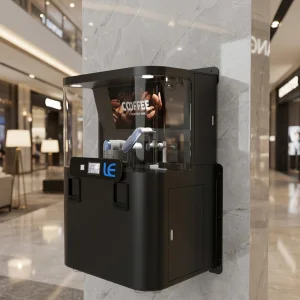
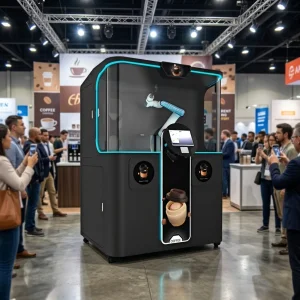
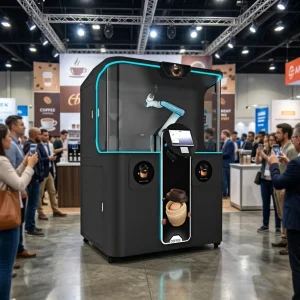
Engineered with precision robotic arms, custom graphics, MDB payment support, and high-pressure bean-to-cup brewing mechanisms.
To succeed in the Melbourne specialty coffee ecosystem, a robotic coffee maker must excel at several technical layers. The mechanical motion profile is governed by a high-resolution controller that matches the dexterity of human baristas:
| Technical Module | Specification Detail | Melbourne Market Benefit |
|---|---|---|
| Grinding & Dosing | Flat ceramic burrs, micro-metric grind adjustment, active bean temperature monitoring. | Prevents thermal degradation of delicate light-to-medium roasted single origins. |
| Extraction Chamber | Dual-boiler system (9-bar pump pressure, 92°C-96°C PID temperature control). | Consistent TDS (Total Dissolved Solids) extraction matching SCA standards. |
| Robotic Manipulation | 6-axis industrial-grade arm with +/-0.05mm repeatability. | Smooth cup handling, zero spills, precise positioning under espresso and milk outlets. |
| Milk Frothing Unit | Vapour-induction system with variable air-injection for micro-foam (60°C - 65°C). | Silky, glossy foam perfect for flat whites and lattes without scalding the milk proteins. |
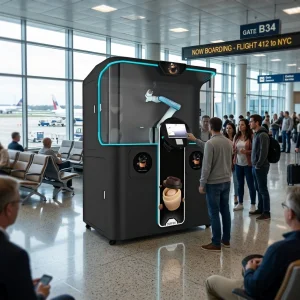
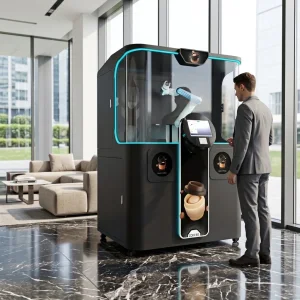
Melbourne’s commercial center features corporate headquarters requiring premium perks for employees. Placing an automated robotic coffee barista in the office lobby reduces queues, provides a premium experience for visiting clients, and operates efficiently during peak hours when traditional cafes are overwhelmed.
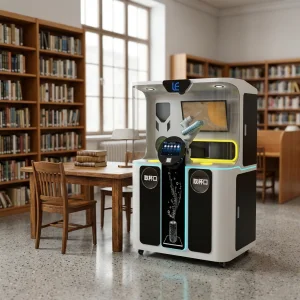
Universities are dynamic ecosystems operating late into the night. Student hubs benefit from self-contained kiosks capable of serving espresso, hot chocolates, and matcha lattes during study weeks. Integration with campus payment cards is enabled via custom API wrappers.
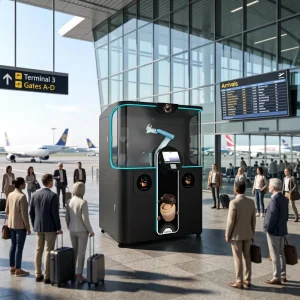
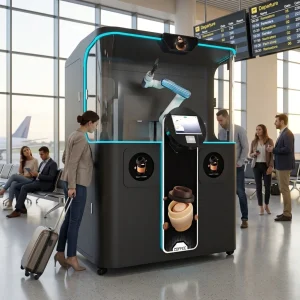
For international tourists and red-eye commuters, finding a high-quality flat white at 3:00 AM can be challenging. An unmanned, self-cleaning robotic station provides a reliable, high-speed solution that meets strict food safety standards.
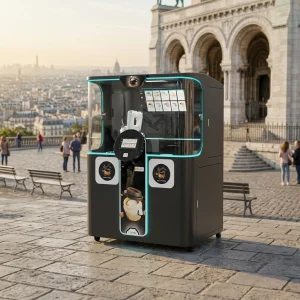
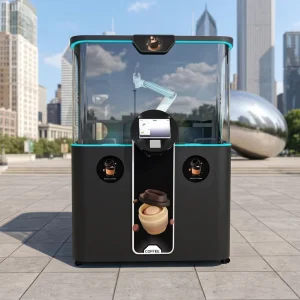
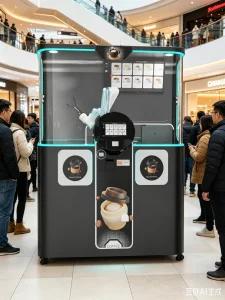
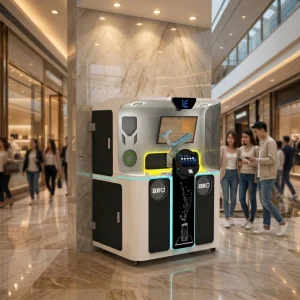
Highly customizable, interactive kiosk systems designed for unique high-footfall installations and custom branding profiles.
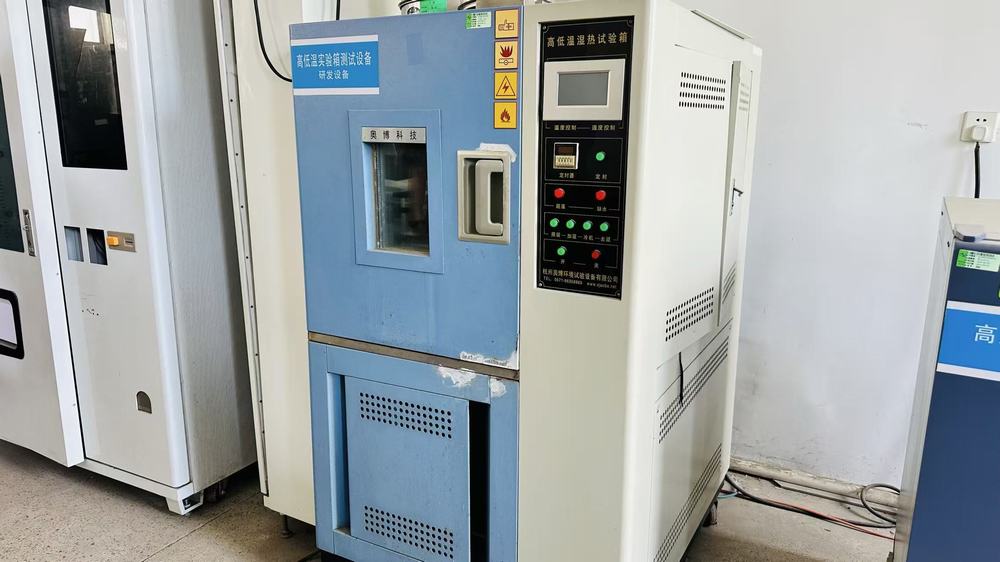
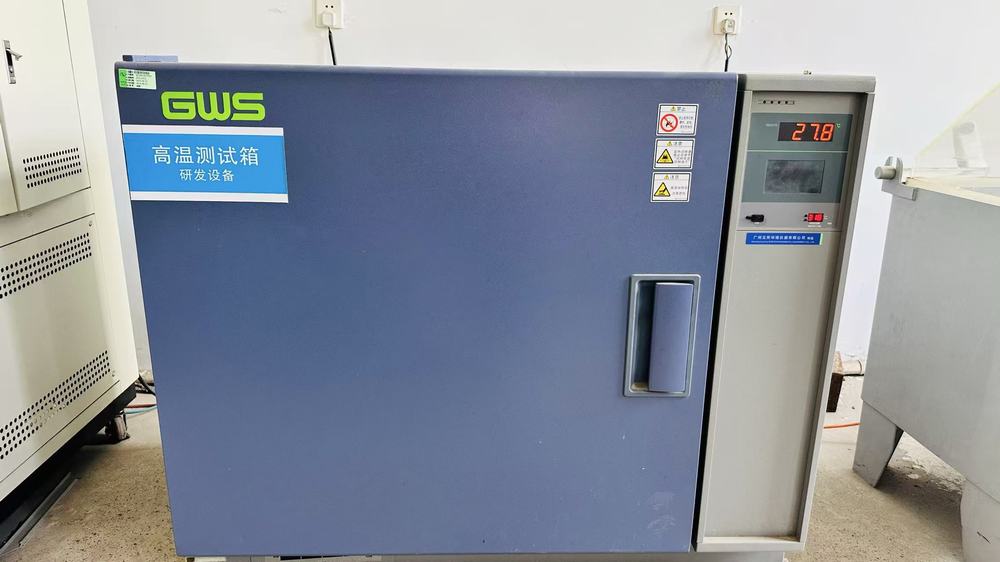
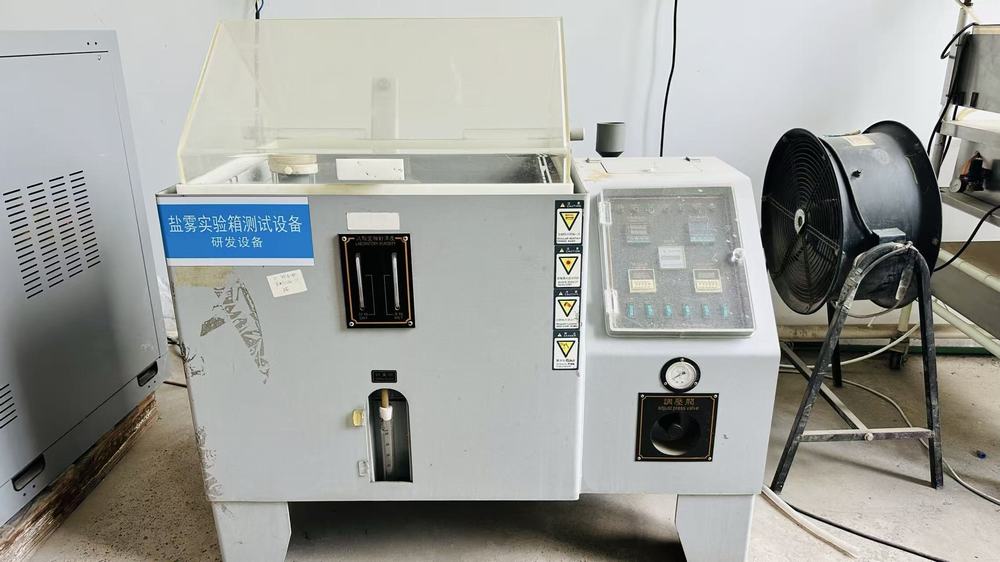
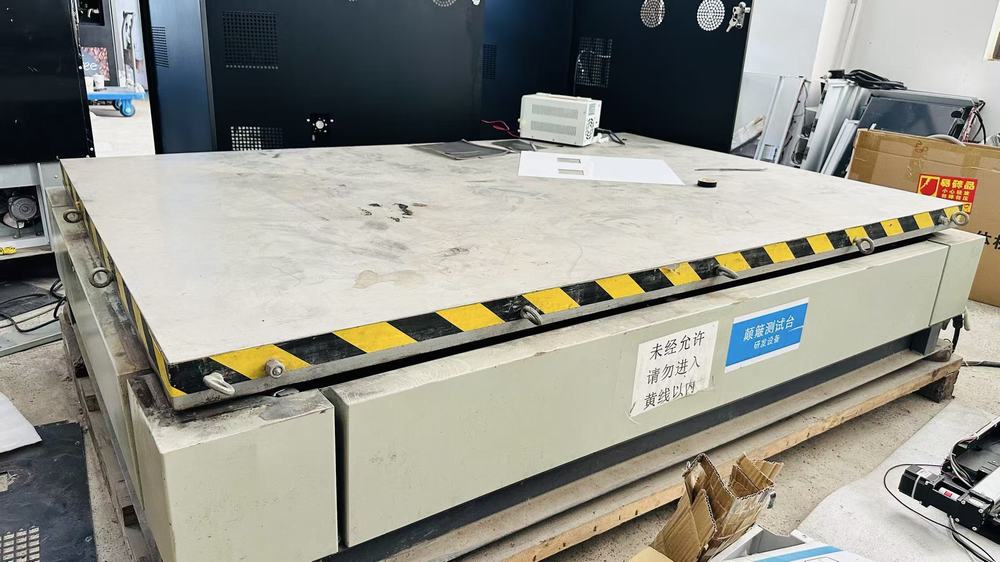
Operating a high-throughput food service device demands compliance with food safety and electrical certifications. Our automated systems undergo comprehensive testing protocols before dispatch. This ensures they meet the requirements of Australian municipal councils, safety regulators, and health inspectors.



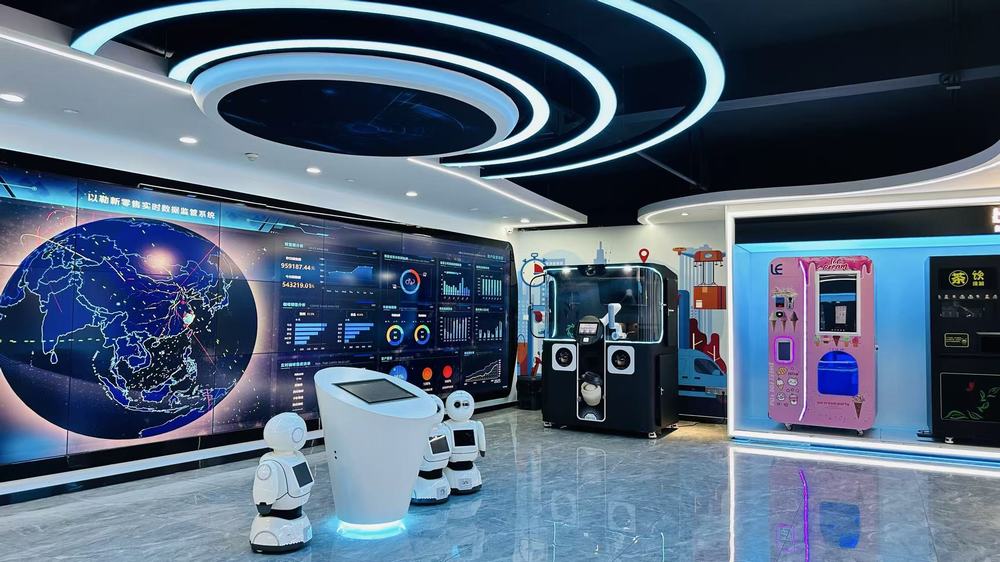
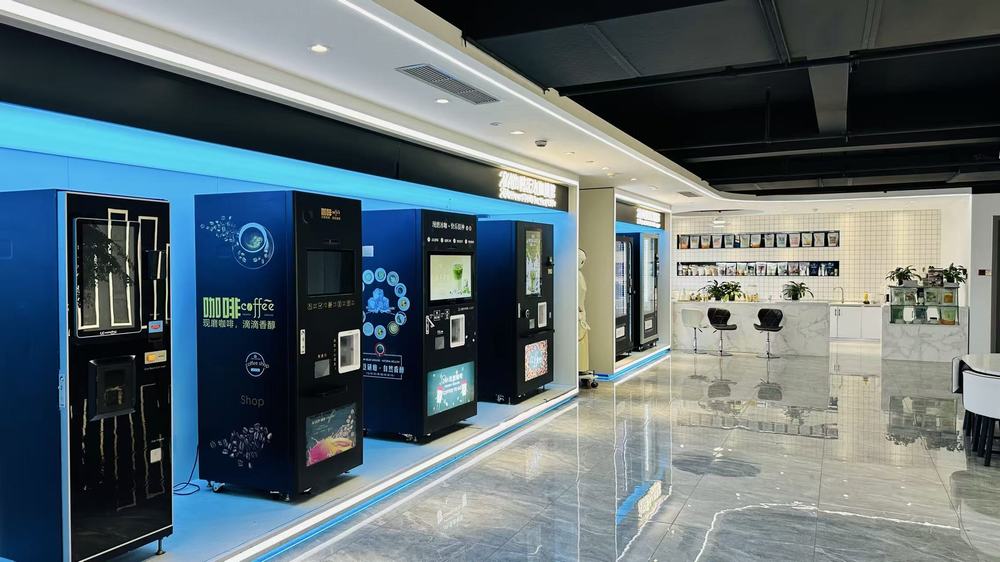
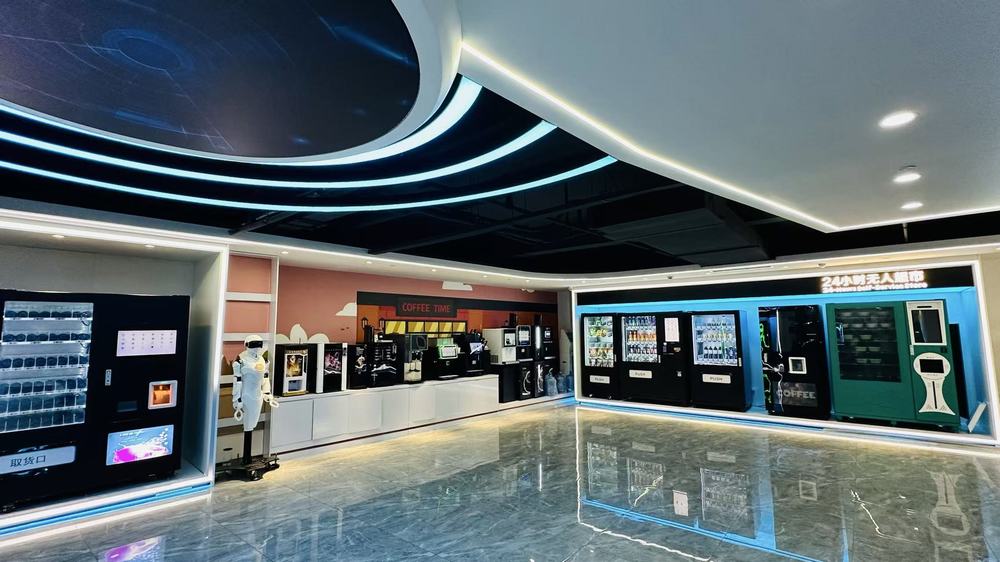
Our production facilities utilize modern automation technologies to ensure reliability and consistency across large production runs. We manage raw materials with traceability protocols to maintain quality standards from manufacturing through to delivery in the Australian market.
Technical and commercial answers for coffee operators, procurement managers, and business owners in Melbourne.