JoeisaRobot
JoeisaRobot
JoeisaRobot
Pioneering automation solutions designed for premium bean-to-cup extraction, active milk frothing, and cloud-coordinated telemetry management.
Milan is the global epicentre of traditional espresso culture and the birthplace of pioneering coffee machine design. However, structural shifts in real estate dynamics, the rise of unmanned retail sectors, and high operating costs have accelerated the demand for intelligent automation. Modern operations require human-barista-grade extraction standards executed via robust industrial robotics.
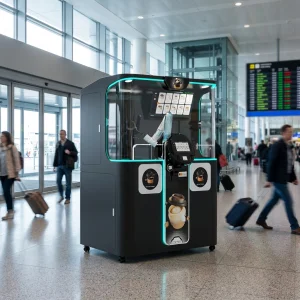
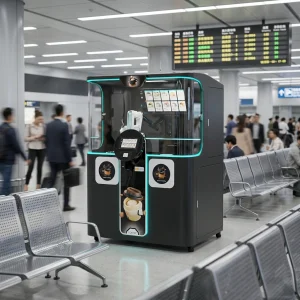
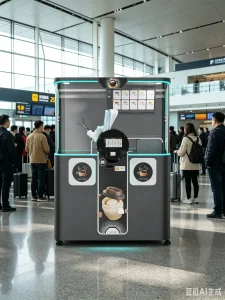
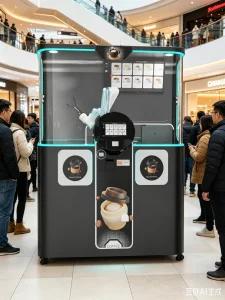
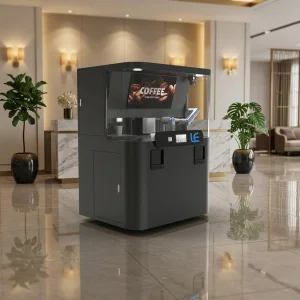
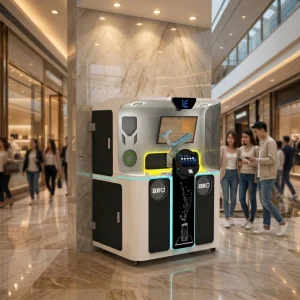
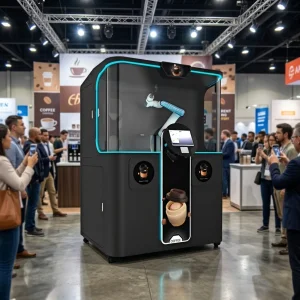
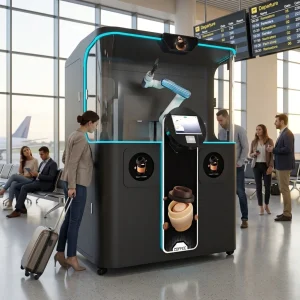
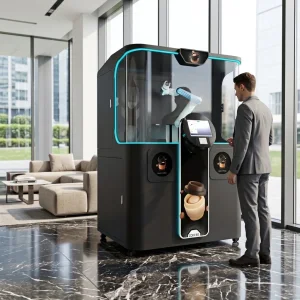
As a global OEM/ODM manufacturer, we export robotic coffee machines engineered for the stringent quality standards of Milanese coffee roasters, transport terminals, and commercial headquarters. Our systems feature high-precision robotic arms, integrated multi-boiler architecture, customizable SDK protocols, and real-time cloud diagnostic dashboards. These attributes assure reliable operation in high-throughput retail environments.
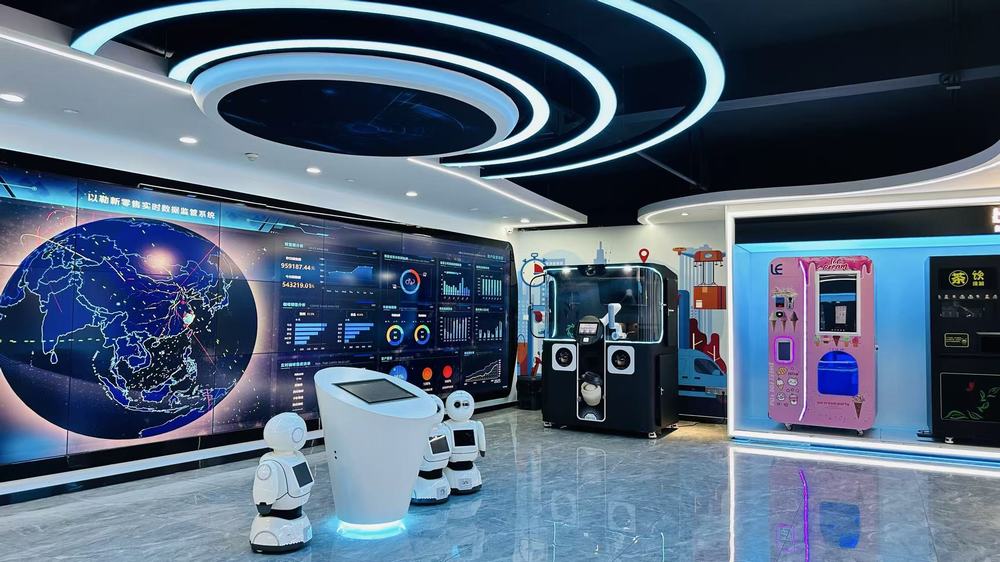
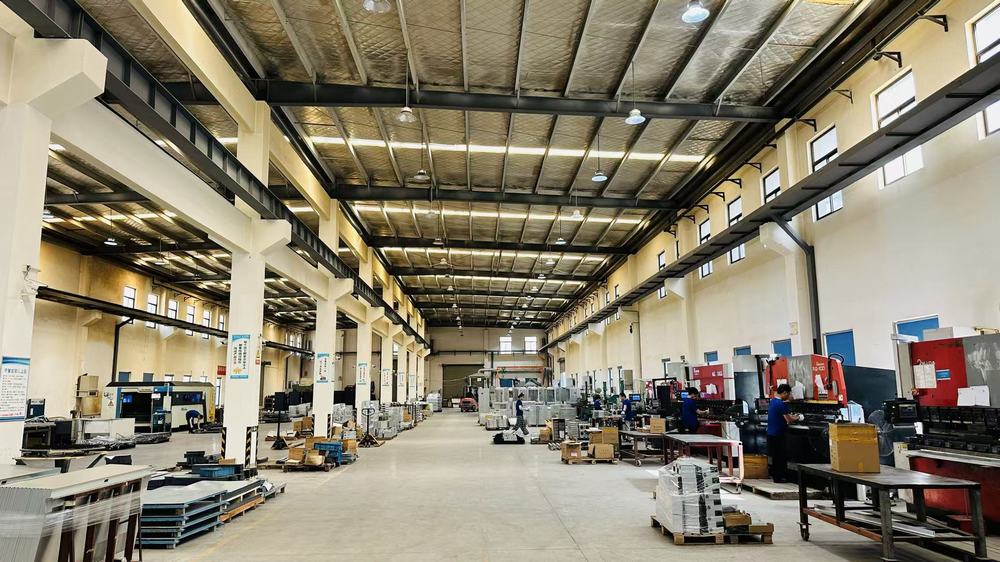
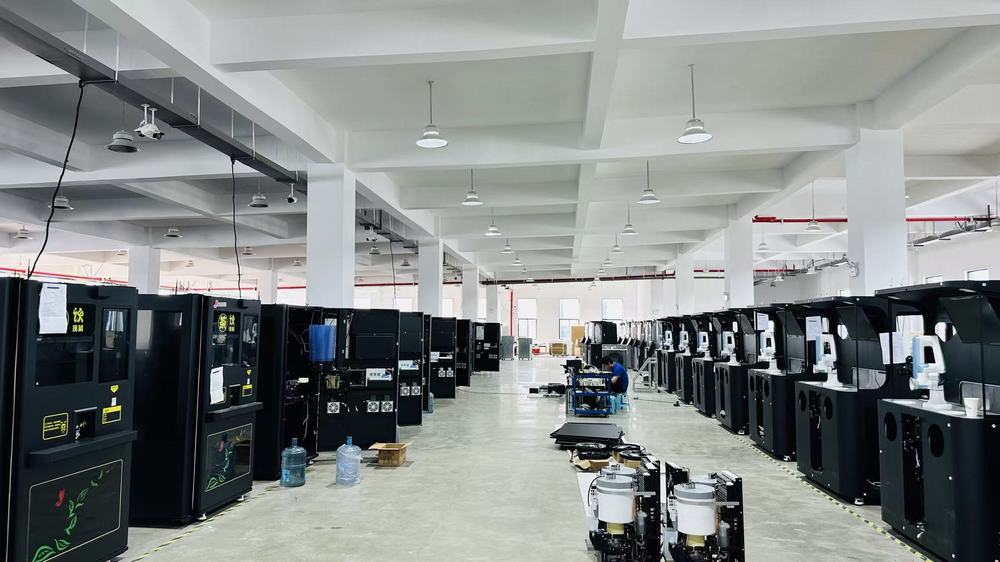
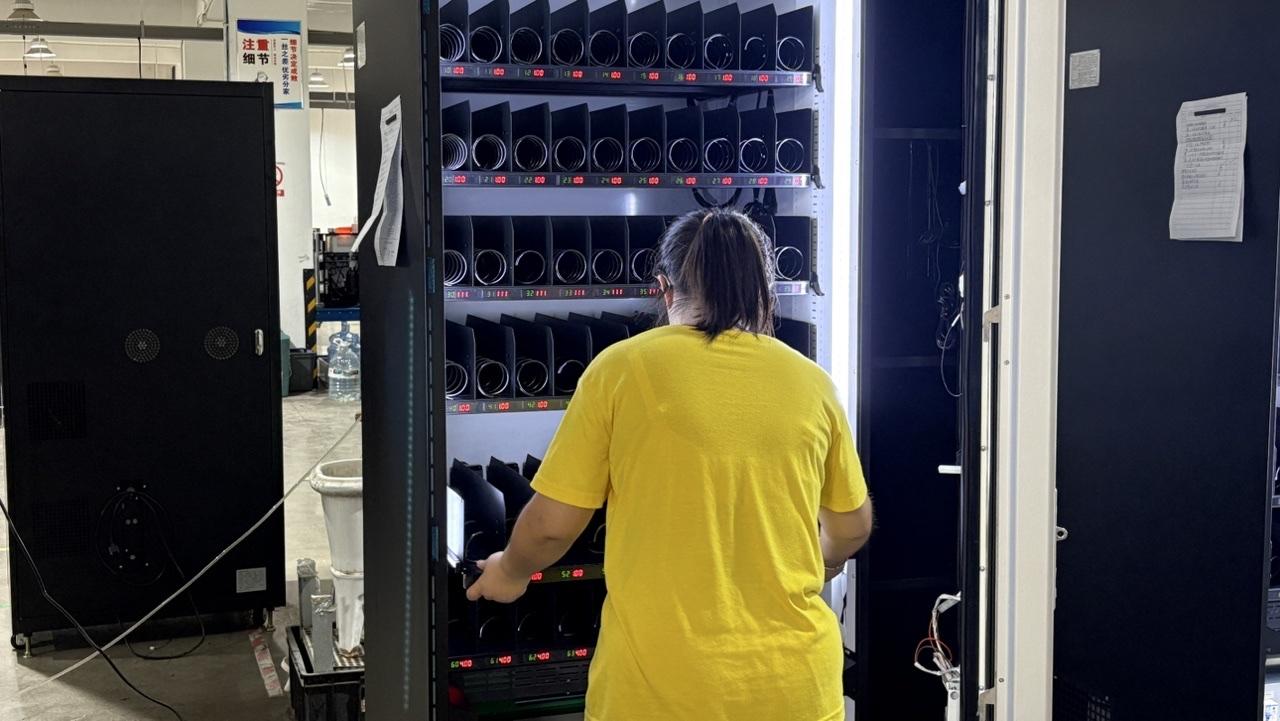
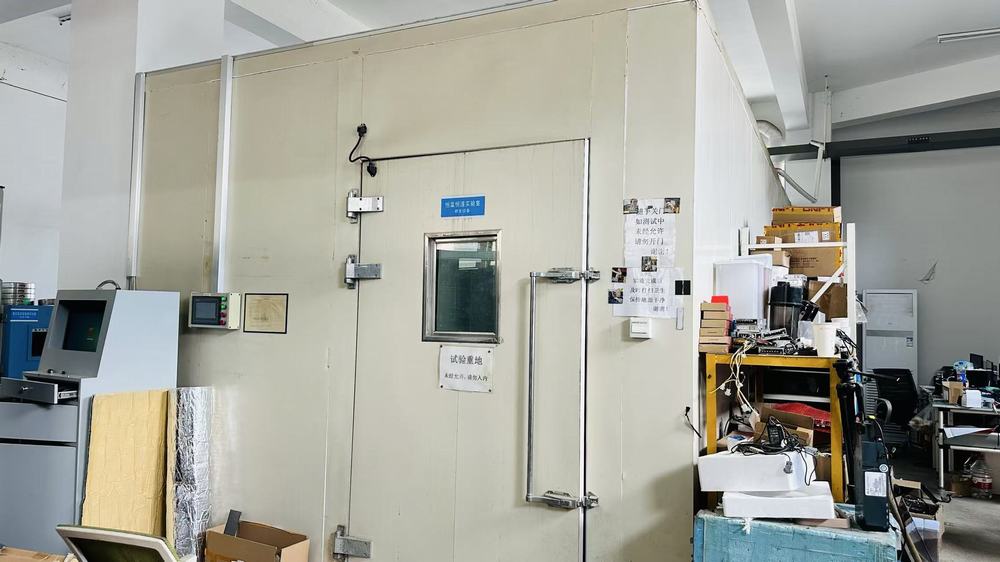
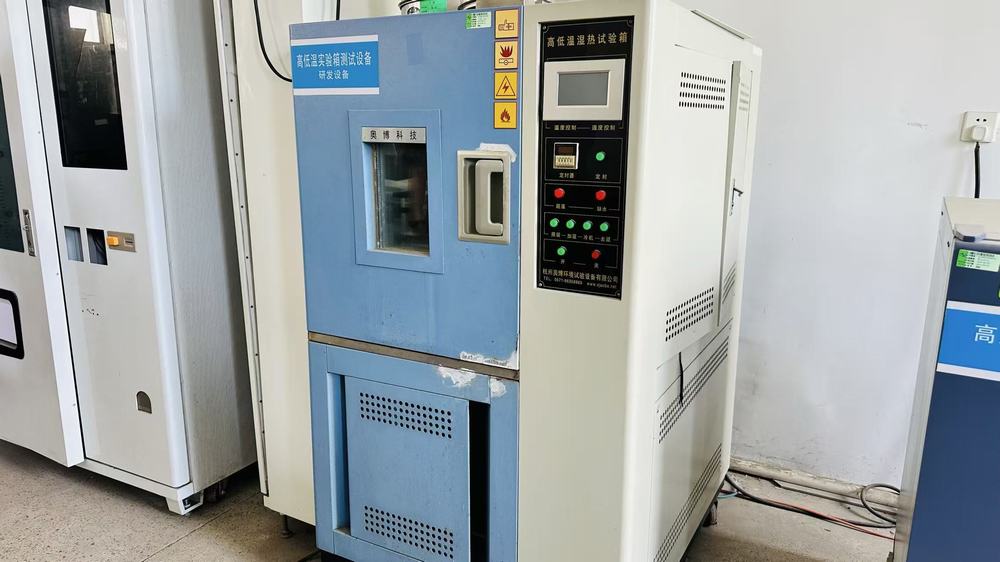
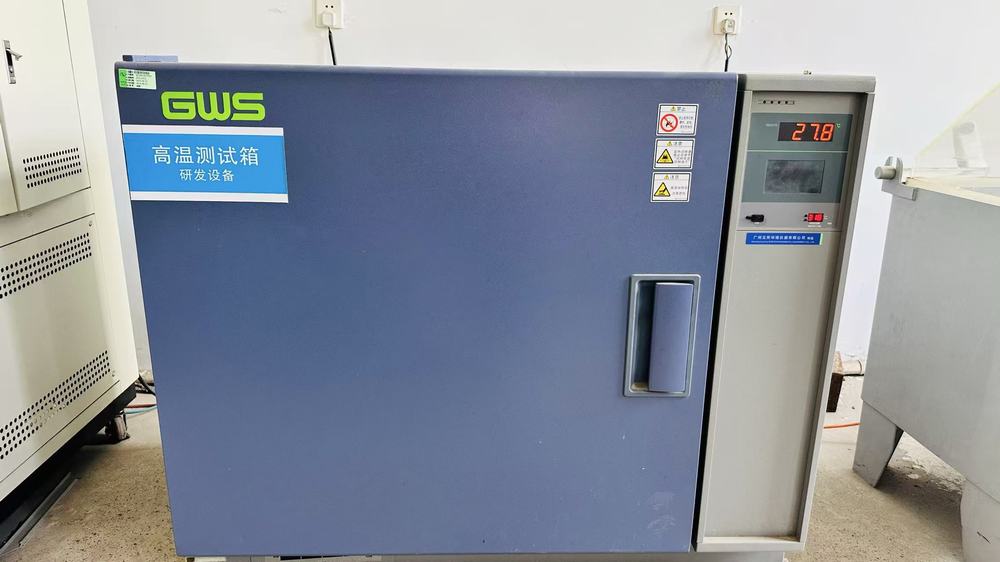
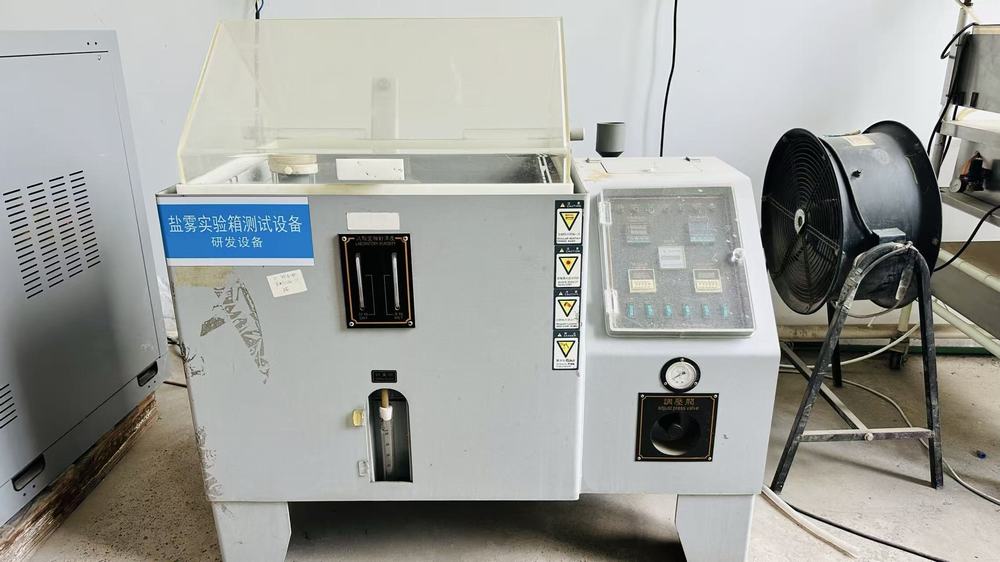
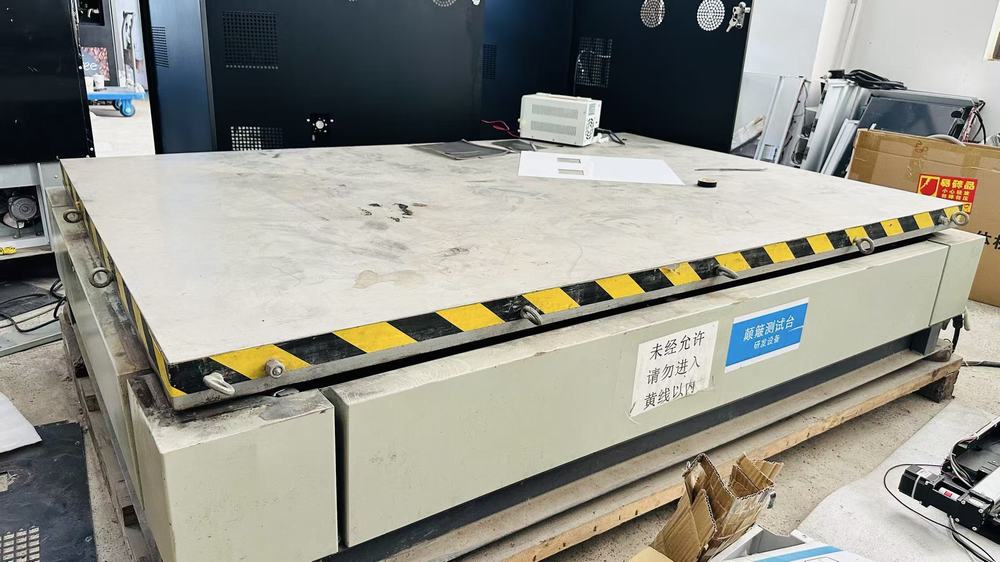
Our manufacturing facility features streamlined assembly lines, 100% trace-monitored supply chains, and extensive R&D setups focused on robotic automation.



Our machines are engineered to interface with modern enterprise networks, payment gateways, and telemetry standards.
Directly compatible with executive card readers, coin mechanisms, and local contactless systems such as Bancomat and Satispay.
Manage machine clusters remotely. Track extraction efficiency, water consumption, grinder calibration, and inventory levels.
Integrate machine workflows with custom enterprise networks, tenant management portals, or dedicated campus ordering systems.
Direct regulation of steam, air injection, and temperature controls to texture fresh milk for micro-foam cappuccinos.
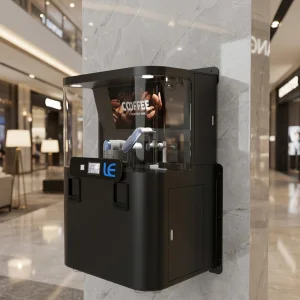
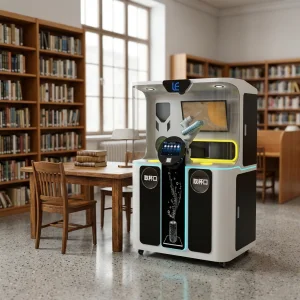
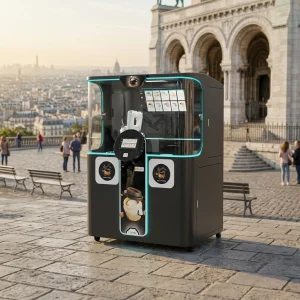
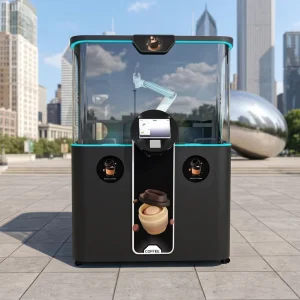
Industrial robotic systems engineered for performance, durability, and customer interaction.
Designed to cover specific system integration scenarios, including DIY printing modules and high-capacity cups.
For generations, Milan has been recognized as a driver of espresso preparation techniques and design. The ritual of espresso consumption in Lombardy requires precise flow control, exact extraction temperatures, and optimal crema density. However, changing urban labor dynamics and the need for 24-hour service models have driven commercial space operators, transit managers, and corporate heads to look toward automation.
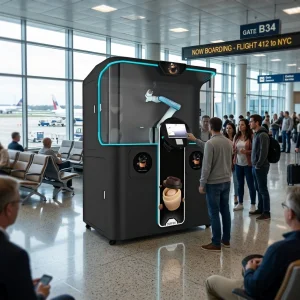
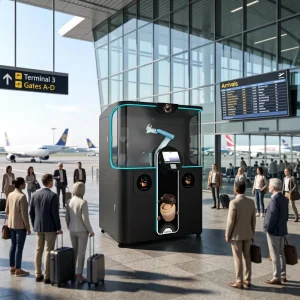
Deploying robotic coffee solutions in public areas is not about replacing traditional coffee shops. Rather, it extends the availability of freshly brewed specialty coffee to locations where staffing a manual espresso bar is impractical. These environments include corporate offices, transport hubs, hospital lobbies, and universities. By utilizing advanced multi-boiler heating systems and automated grinding adjustment, our platforms deliver consistent cup quality that aligns with European standards.
Our hardware architecture is built around three core subsystems designed to match the consistency of a professional barista:
Modern automated systems rely on data connectivity. Our machines feature integrated telemetry modules that communicate with centralized cloud servers. Operational statistics, raw material usage, diagnostic alerts, and transaction records are updated in real time via secure API endpoints.
Through the provided SDK, software developers can integrate machine functions with proprietary business platforms. This allows operators to run specialized marketing programs, dynamic pricing, custom user interfaces, and unified payment processing. The system also supports localized European payment protocols (such as MDB and executive terminal interfaces), easing integration with regional banking structures.
Deploying food service equipment in the European Union requires strict compliance with food contact materials safety, electrical stability, and environmental protection guidelines. Our manufacturing processes are audited under ISO 9001 and ISO 14001, ensuring that each machine complies with IEC 60335 standards for commercial appliance safety.
Inside the machine, all component groups in contact with water or milk are constructed from food-safe, certified materials. The automated CIP (Clean-In-Place) sanitizing cycle uses high-pressure steam and eco-friendly cleaning solutions to purge the milk lines, frothing tips, and mixing bowls periodically. This prevents bacterial growth and preserves the taste quality of the drinks.
Common questions regarding technical standards, localized payments, and shipping logistics to Milan.
Preserving documented production milestones, assembly precision, and shipment verification.
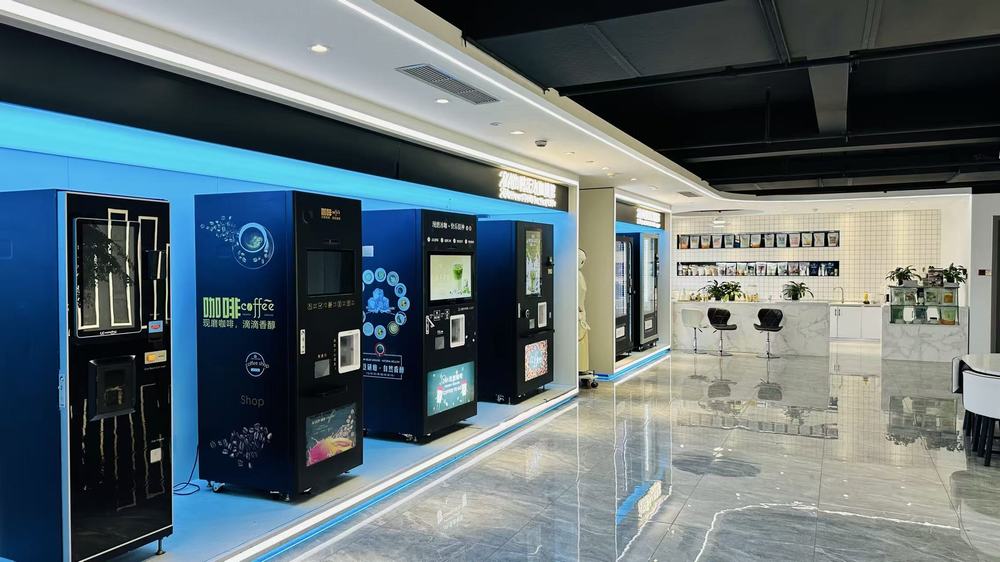
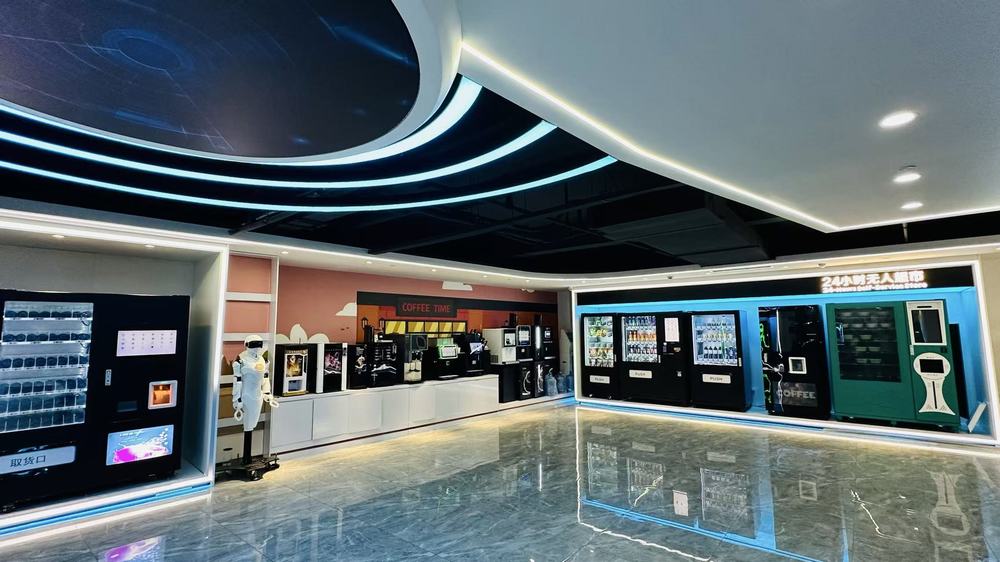
Whether planning a pilot launch at Linate Airport or establishing a smart office hub in downtown Milan, our engineering team can assist you with integration details, payment protocols, and pricing options.
Send Inquiry Now