JoeisaRobot
JoeisaRobot
JoeisaRobot
Deploying cutting-edge unattended coffee architecture tailored for high-traffic zones in Asunción, Ciudad del Este, and Encarnación.
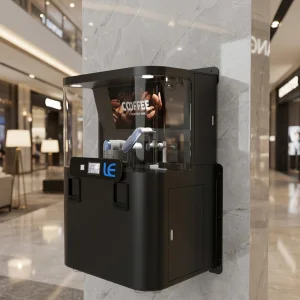
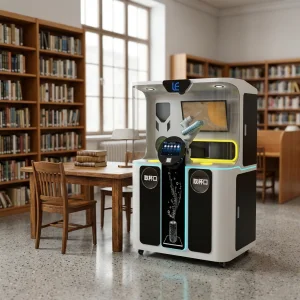
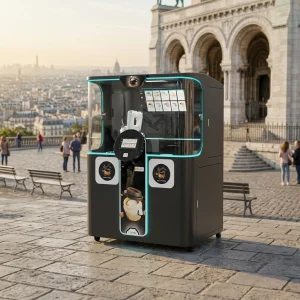
The retail and food service sectors in Paraguay are undergoing a significant structural modernization. Historically defined by traditional cafes and artisanal vendors, metropolitan markets like the Greater Asunción area (including Luque, San Lorenzo, and Lambaré) are experiencing rapid shifts toward automated, contactless, and continuous 24/7 retail options. This transformation is driven by a combination of key economic factors: a young, tech-literate demographic, rising labor costs in prime retail real estate, and a growing consumer preference for specialty espresso-based beverages over traditional instant drinks.
Furthermore, Paraguay’s business environment is uniquely positioned to benefit from automated retail robotics. With highly competitive corporate tax rates (the Maquila regime) and abundant, clean hydroelectric energy supplied by the Itaipu Dam, operating costs for continuous energy-reliant equipment like commercial robotic baristas are significantly lower than in neighboring South American economies. This makes robotic coffee installations highly profitable for local corporate headquarters, transit stations, and private educational institutions looking to optimize floor space yields.
Deployments target premium retail zones such as Paseo La Galería, Shopping del Sol, and commercial centers in Ciudad del Este.
Leverages Paraguay's surplus clean hydroelectricity to run efficient heating and robotic systems with minimum operating overhead.
Full support for local payment networks (Bancard, Pagopar, Zimple) and QR-code transactions popular in the local market.
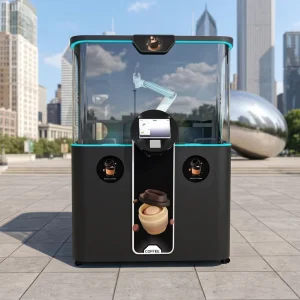
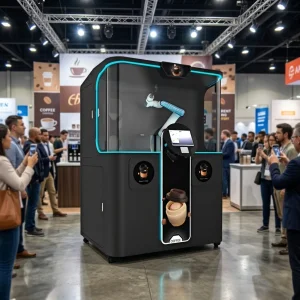
Industrial robot coffee machines function as self-contained micro-cafes that run entirely without human intervention. From an investment perspective, this presents an attractive business model for Paraguayan enterprise procurement managers. By bypassing traditional staffing challenges, such as shift scheduling, customer service training, and quality fluctuations, automated coffee platforms offer absolute product consistency. Every cup of espresso is ground to exact micron specifications, tamped with pneumatic precision, and extracted at uniform temperature and pressure profiles.
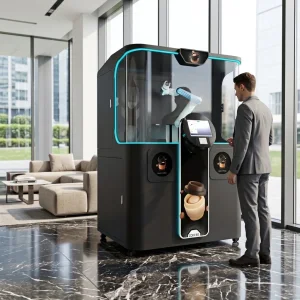
In addition, these robotic setups can operate in high-density locations where setting up a standard coffee shop would be financially unfeasible. Corporate offices, private clinics (such as Centro Médico La Costa), airports (Silvio Pettirossi International), and co-working hubs can monetize empty corners, providing premium coffee selections with high margins and zero staff management.
A reliable robotic coffee station requires a highly integrated combination of precision mechanics, food-grade materials, and robust software control. The robotic arm mimics the multi-axis movement of a professional human barista, moving cups between dispensers, espresso extraction ports, syrup pumps, and ice makers. Below is the technical blueprint of our machinery line:
Utilizes industrial-grade robotic arms with closed-loop servo motors, providing millimeter precision, smooth path-planning, and quiet operation suited for office environments.
Equipped with flat ceramic or high-hardness steel burrs that ensure uniform coffee particle size, minimizing heat transfer during grinding to preserve coffee oils.
Incorporates an active milk refrigeration compartment with automated steam wand sanitization, creating micro-foam texturing for customized latte art.
Hygiene is controlled through automated cleaning protocols. The machine executes automated hot-water flushes of the brewing chambers and milk lines at predefined intervals, preventing bacterial growth and maintaining strict sanitary standards without operator intervention. The internal cabinet is sealed to prevent insect access, which is crucial for subtropical climates like Paraguay.
Our robotic coffee platforms are connected to a cloud-based remote management system via 4G/LTE or local Wi-Fi. This allows operators to monitor machine status in real time:
19 years of manufacturing expertise, delivering certified commercial coffee equipment worldwide.
Operating out of our 32,496-square-meter facility with six active production lines, we support international commercial clients with reliable machinery and scale. Our QA/QC framework includes raw material testing and 100% inspection across all assembly stages, managed by a team of 14 QA/QC inspectors to ensure consistent hardware performance.
We offer customized manufacturing solutions, including custom chassis graphics, custom software integration, and specialized beverage menu engineering to match local market tastes (such as sweet condensed milk options or iced espresso variations preferred in Paraguay's warm climate).



Direct view into our automated manufacturing facility, assembly areas, and quality testing labs.
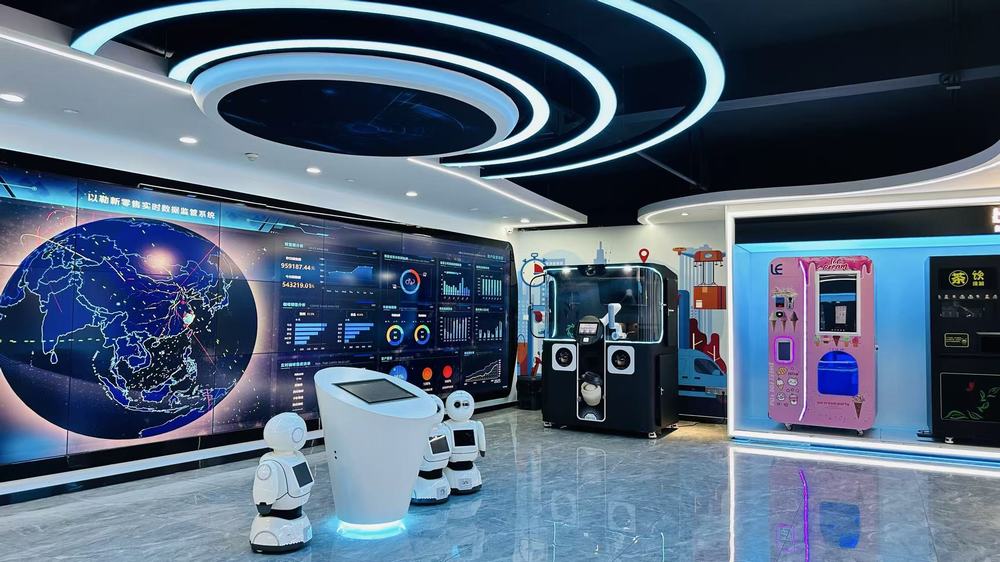
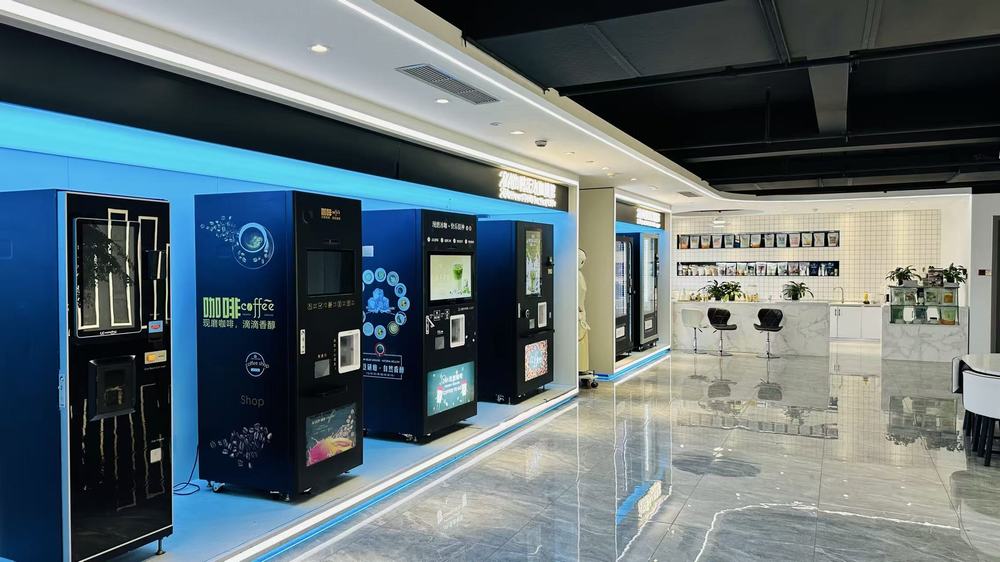
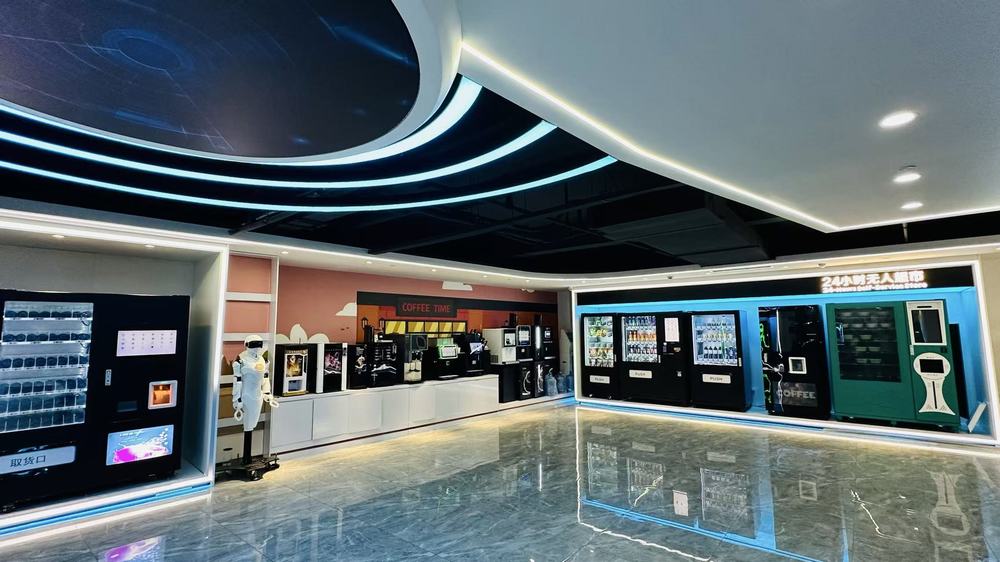
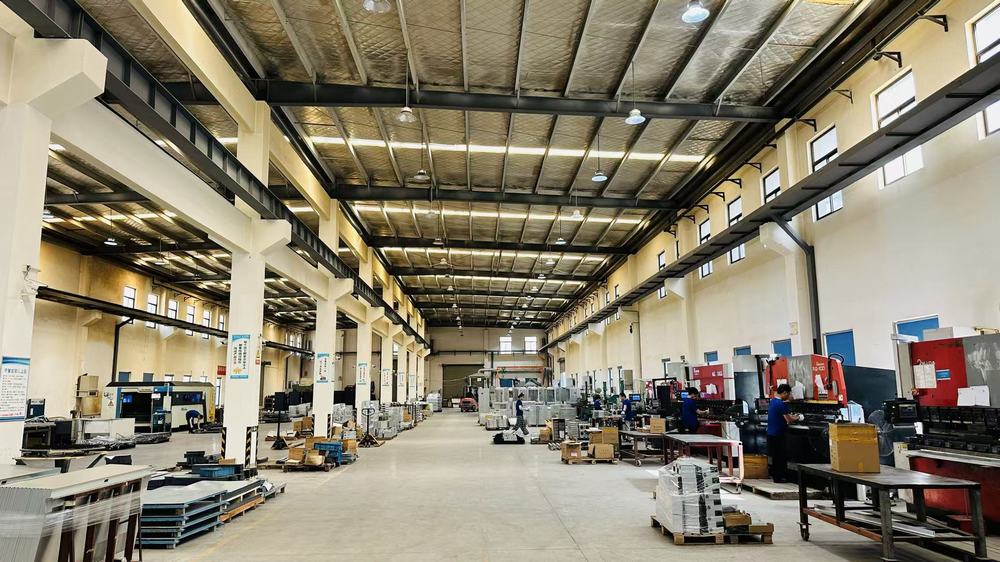
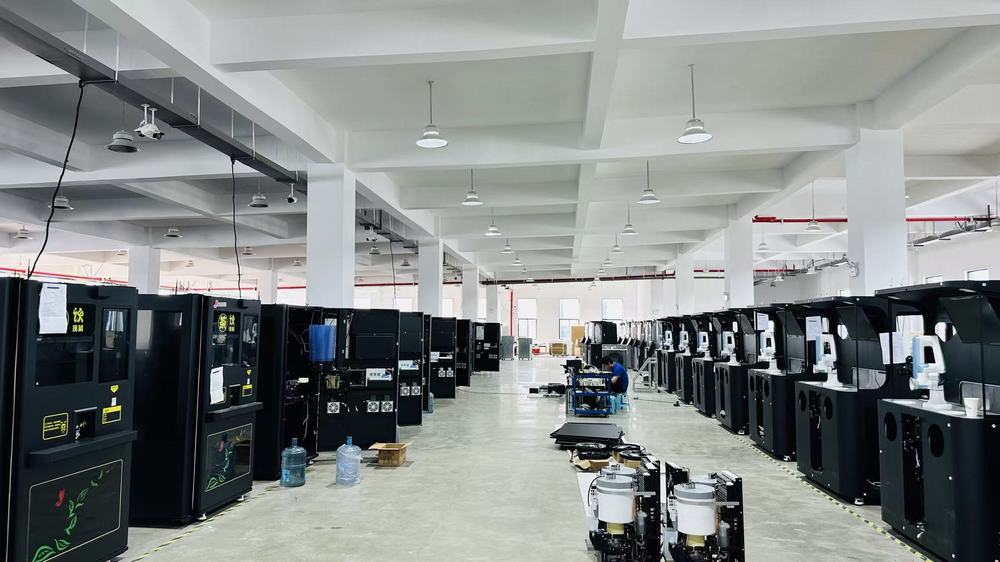
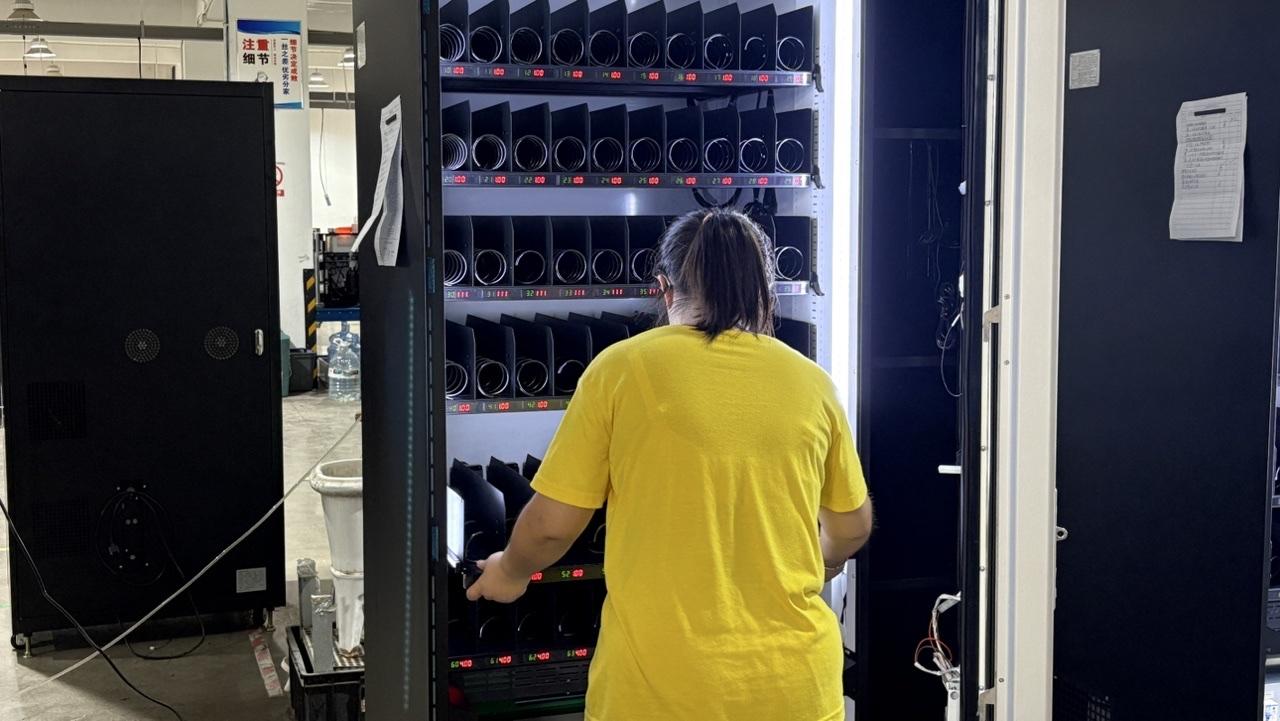
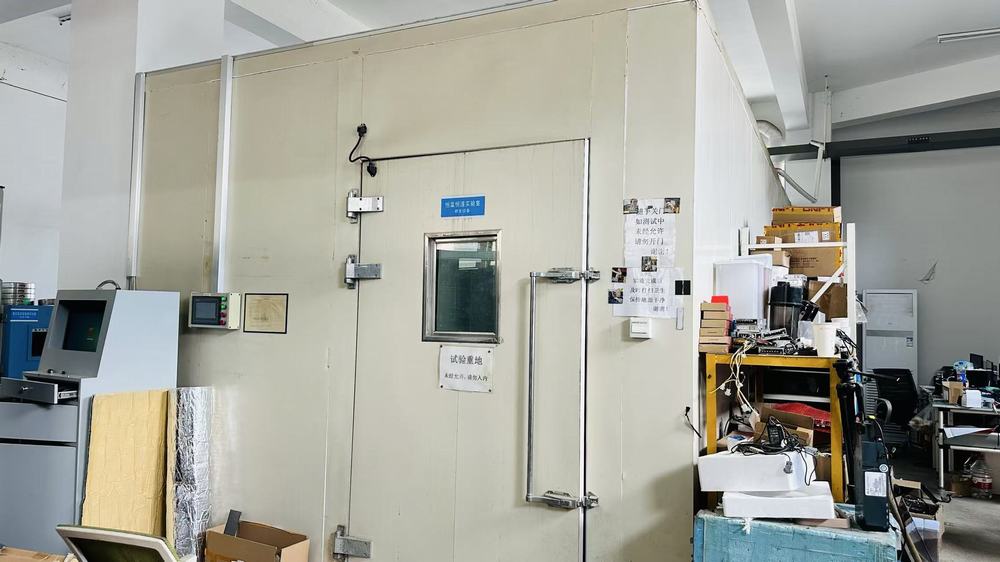
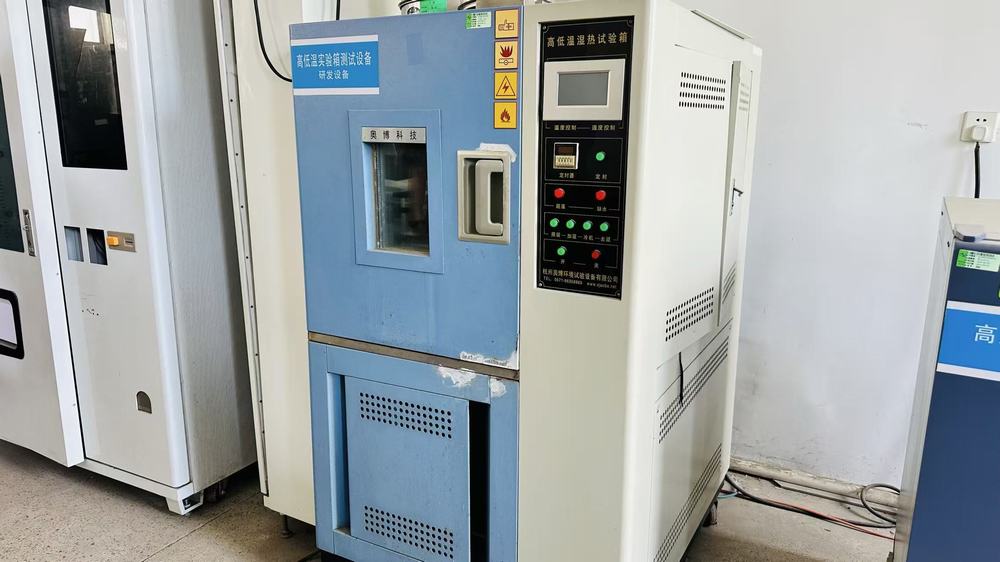
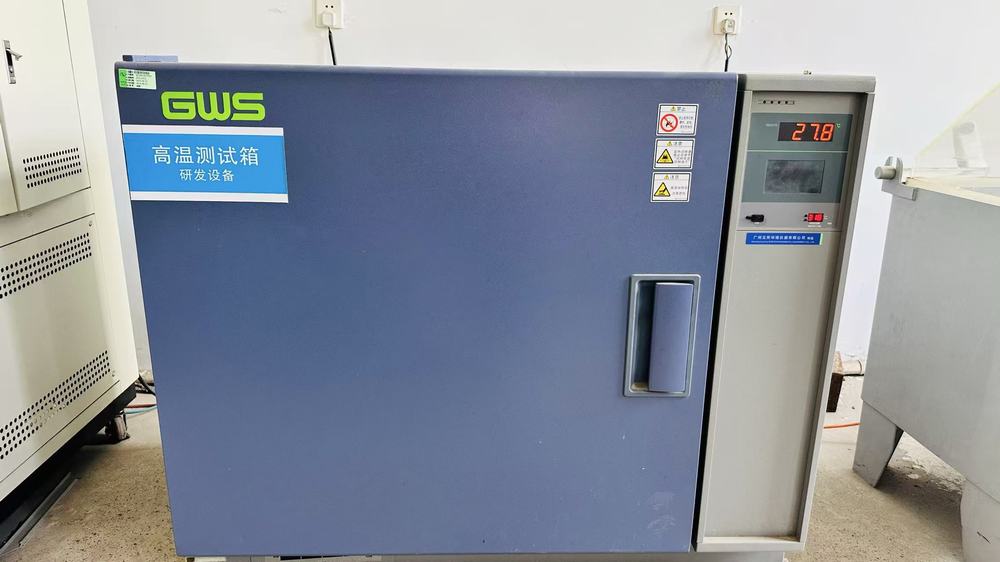
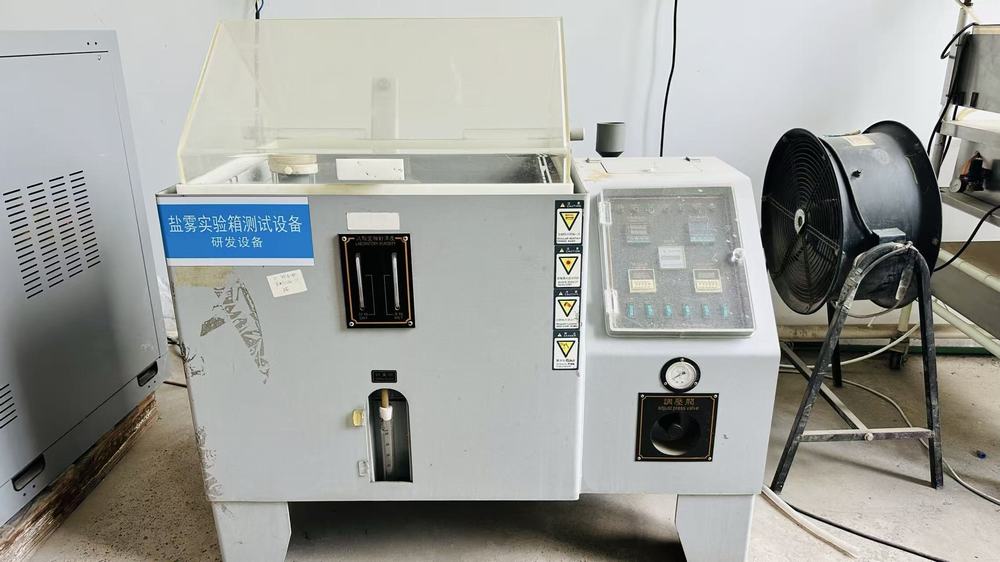
Explore our complete range of robotic coffee kiosks, bean-to-cup machines, and automated latte art systems.
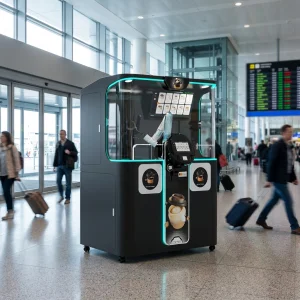
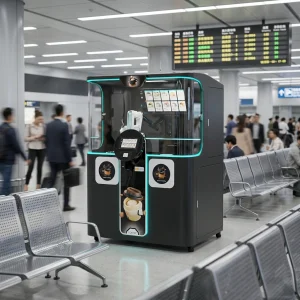
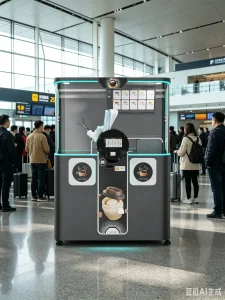
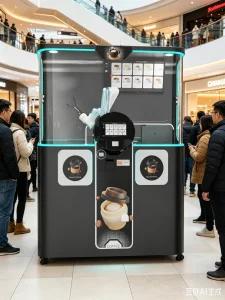
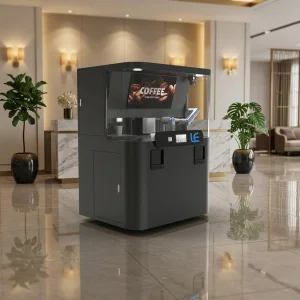
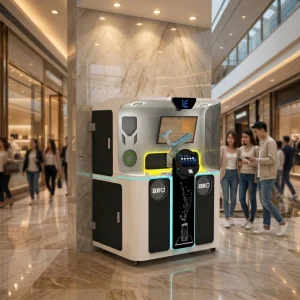
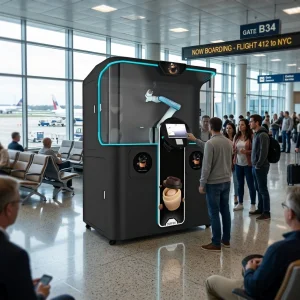
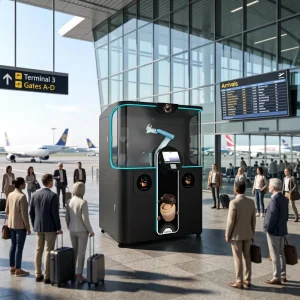
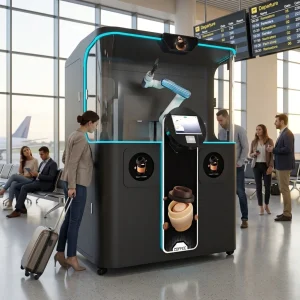
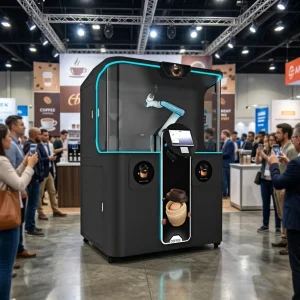
Importing high-value automated equipment into Paraguay requires navigating specific trade corridors and regulatory frameworks. Since Paraguay is landlocked, maritime shipping routes generally transit through major ocean hubs like Buenos Aires, Argentina, or Montevideo, Uruguay. From these sea gateways, cargo is transported upriver along the Paraná-Paraguay waterway to key river ports near Asunción, including Puerto Caacupemí, Puerto Fénix, and Puerto Terport.
Our experienced logistics department manages export packaging to protect delicate robotic mechanisms, sensors, and touchscreens from moisture during the long ocean journey. We provide standard export documentation, including packing lists, commercial invoices, certificates of origin, and bills of lading, required by Paraguay’s Customs Authority (Dirección Nacional de Aduanas).
Before launching robotic equipment in public or corporate settings in Paraguay, operators must ensure compliance with local electrical safety and sanitation guidelines. Our machines are built in accordance with IEC 60335 standards, covering the safety of household and commercial electrical appliances. For local certification, the national standards body INTN (Instituto Nacional de Tecnología, Normalización y Metrología) recognizes international certificates, streamlining the local import and homologation process.
Common questions from distributors, franchise owners, and procurement directors in Paraguay.