JoeisaRobot
JoeisaRobot
JoeisaRobot
Discover our highly rated intelligent beverage stations customized for New Zealand's commercial landscape, boasting state-of-the-art cloud management and SDK controls.
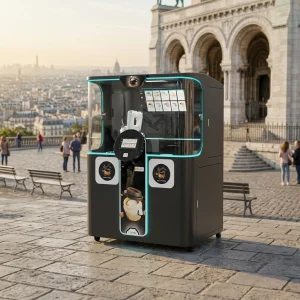
An in-depth analysis of the intersection of premium coffee culture and automated operations in Auckland, Wellington, and Christchurch.
New Zealand is home to one of the most sophisticated coffee cultures in the world. However, the hospitality sector in key urban hubs like Auckland, Wellington, and Christchurch continues to face unprecedented challenges. Rising minimum wages (exceeding NZD $23.15 per hour) coupled with persistent staff shortages have made operating traditional cafes increasingly unviable, especially during off-peak hours or in high-rent transit zones.
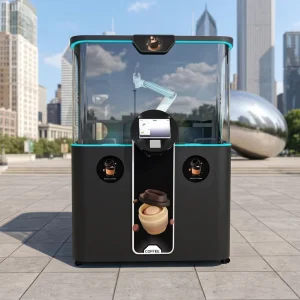
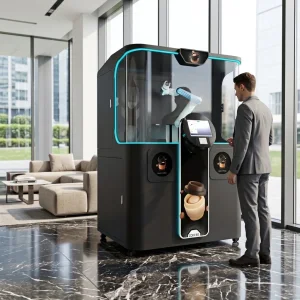
As a result, leading commercial real estate operators, transport authorities (such as Auckland Airport and Lyttelton Port), and multi-campus universities are turning to unattended robotic coffee vending machines. These advanced systems run 24/7 without on-site staff, providing a robust solution to the labor crunch while maintaining the exact brewing precision demanded by local espresso aficionados.
Importing complex commercial kitchen equipment into New Zealand requires strict adherence to local regulatory frameworks. Unlike generic European or North American exports, commercial coffee machines shipped to New Zealand must comply with:
As an established exporter with 19 years of manufacturing expertise, our machines are designed to meet these safety and sanitation rules out-of-the-box, ensuring smooth customs clearance at NZ ports.
Providing technical frameworks and API structures to integrate robotic coffee kiosks into your local payment and IT systems.
For regional distributors and large-scale enterprise buyers in Australasia, standalone machines are no longer sufficient. Our entire lineup is powered by an advanced Cloud-Based Remote Management System. Through a secure web dashboard, operators can track real-time ingredients levels (beans, milk, cups, syrup), monitor unit sales, customize drink recipes, and receive instant diagnostic error alerts.
Furthermore, our proprietary Android SDK and MDB Protocol support allow seamless integration with local New Zealand payment gateways such as Windcave, Smartpay, and traditional EFTPOS terminals, as well as customized corporate intranet apps.
| System Component | Technical Specification | New Zealand Market Relevance |
|---|---|---|
| Grinder & Brewer | Swiss-manufactured flat burr grinders with variable high-pressure brewing chamber. | Delivers the precise micro-extraction needed for the Kiwi Flat White. |
| Payment Interface | MDB 3.0 / Executive Protocol, Android SDK integration. | Enables local EFTPOS, Windcave, and contactless credit card processing. |
| Milk Delivery | Dual-circuit fresh milk system with automated steam & chemical CIP cleaning. | Complies with MPI hygiene standards; handles high-quality NZ dairy. |
| Connectivity | Dual-band Wi-Fi, 4G LTE cellular telemetry module. | Allows reliable updates and remote monitoring on Spark, One NZ, and 2degrees networks. |
We provide comprehensive DDP (Delivered Duty Paid) and CIF (Cost, Insurance, and Freight) shipping options directly to the ports of Auckland, Tauranga, and Lyttelton. Our custom export packaging incorporates shock-absorbing pallets and moisture-resistant vacuum sealing to ensure the delicate robotic arms and internal boilers arrive in pristine condition, ready for commissioning.
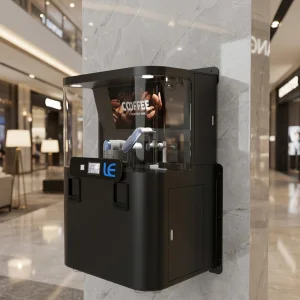
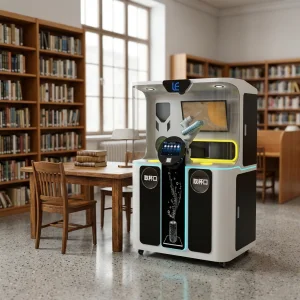
Explore our diverse commercial machines, ranging from fully enclosed robotic arms to dual-cup fresh milk vending models.
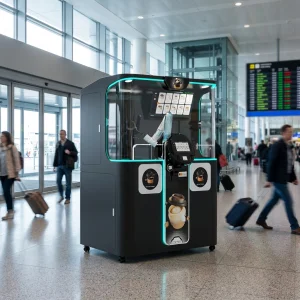
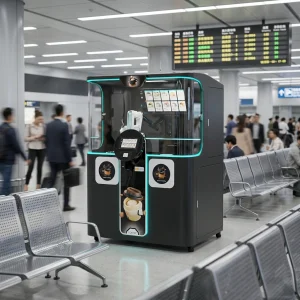
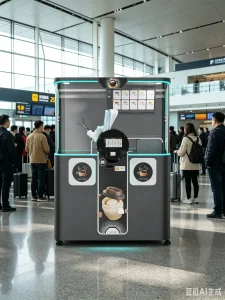
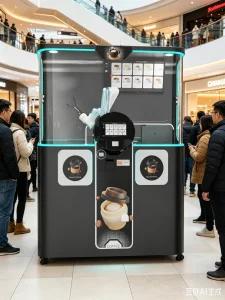
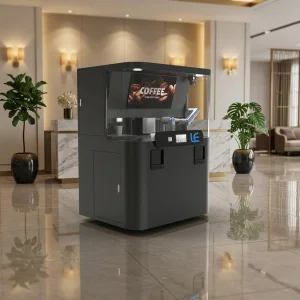
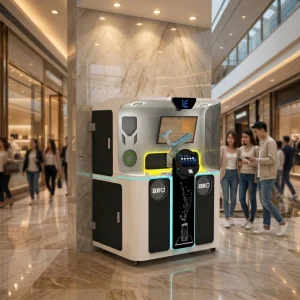
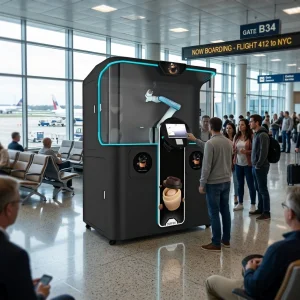
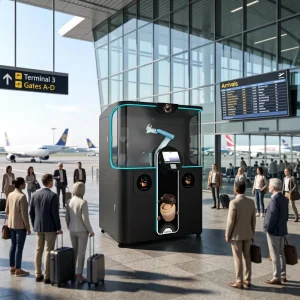
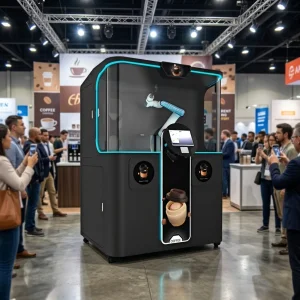
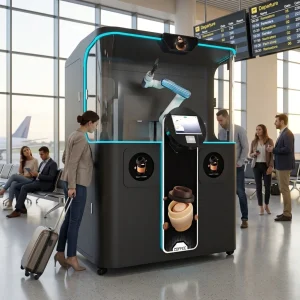
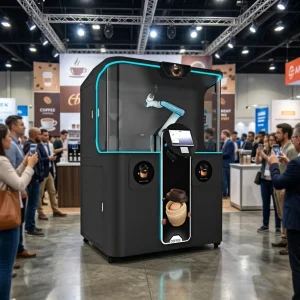
Verified factory operations, global certifications, and strict quality control processes representing industrial safety and performance.
Founded on November 7, 2007, our state-of-the-art production campus spans over 32,496 square meters. Over nearly two decades of engineering development, we have operated 6 specialized assembly lines that reach a total annual capacity of 134,000 units. Our global presence covers Southeast Asia (35%), North America (10%), and an expanding footprint in Oceania.
 ISO 9001 (No. NOA1827667)
 ISO 14001 (No. NOA1998653)
 IEC 60335 Standard (No. SHES200701263401-M3)
Every unit leaving our plant undergoes rigorous testing. Our QA/QC team consists of 14 qualified inspectors who conduct 100% full-unit diagnostics rather than spot inspections. In addition, raw material batches are fully traceable to guarantee component safety, food contact compliance, and prolonged mechanical longevity under heavy industrial loads.
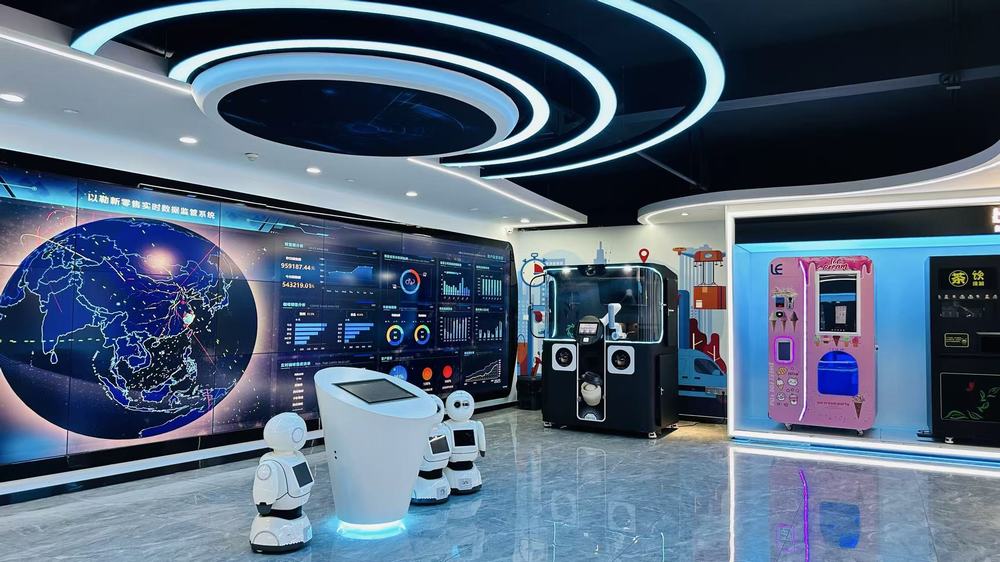
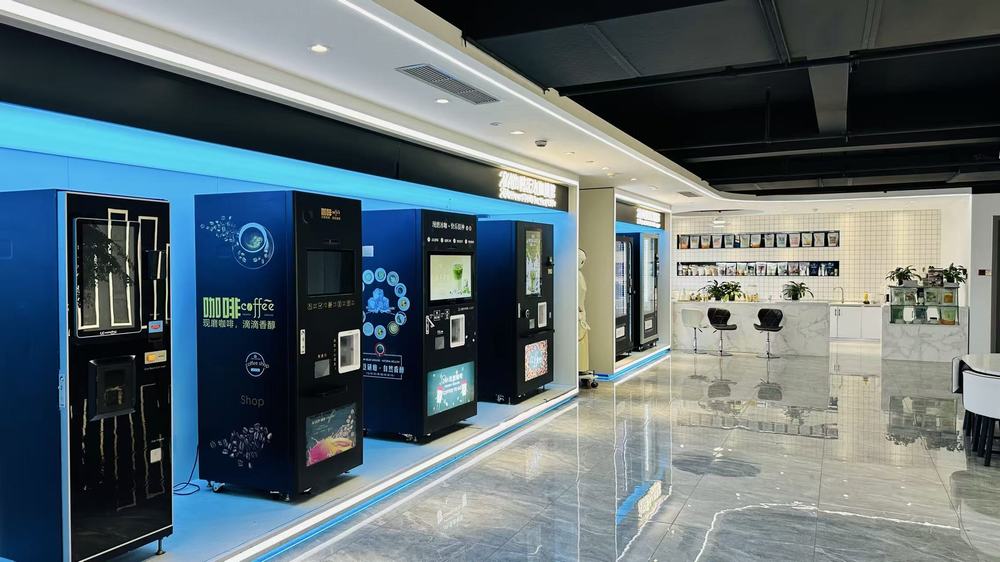
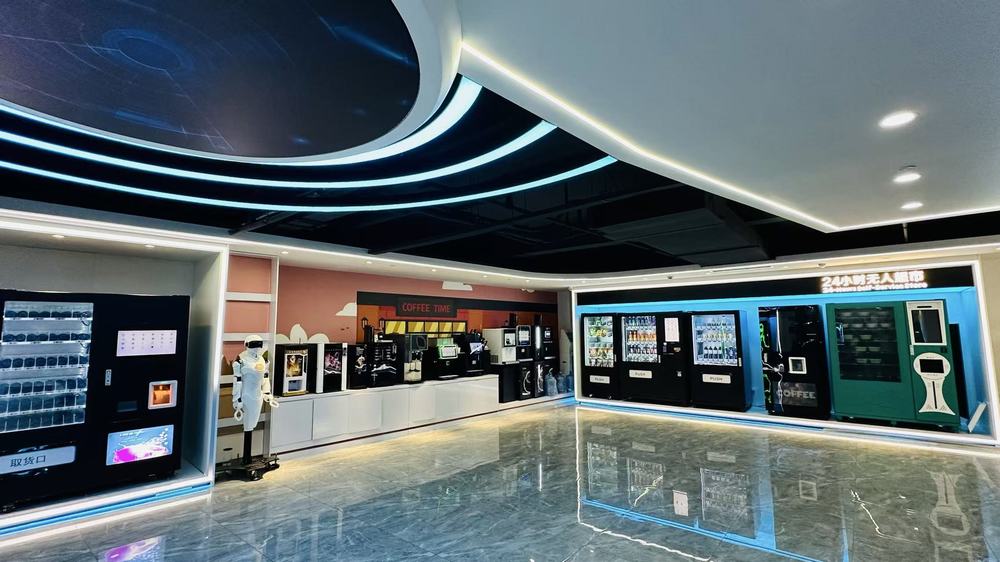
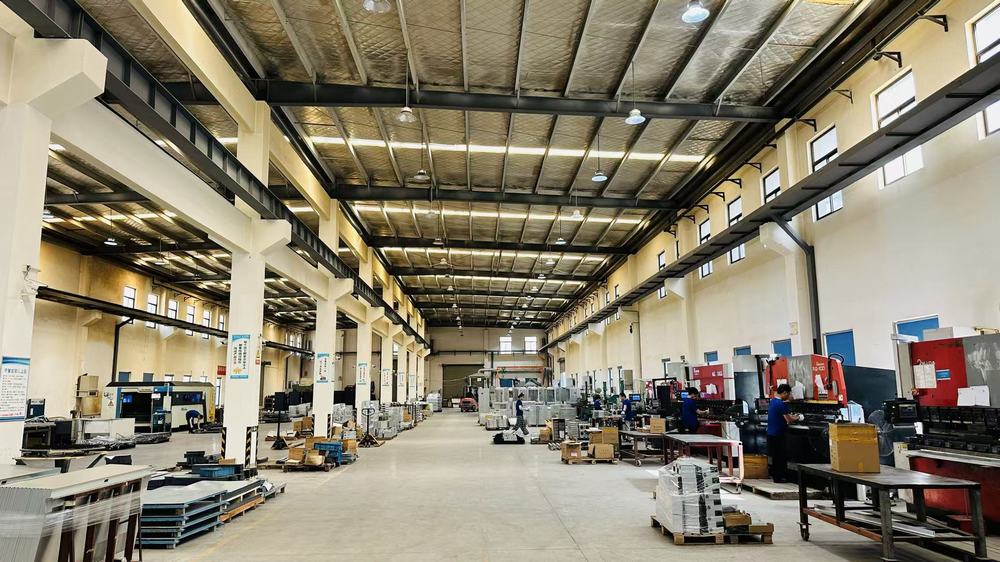
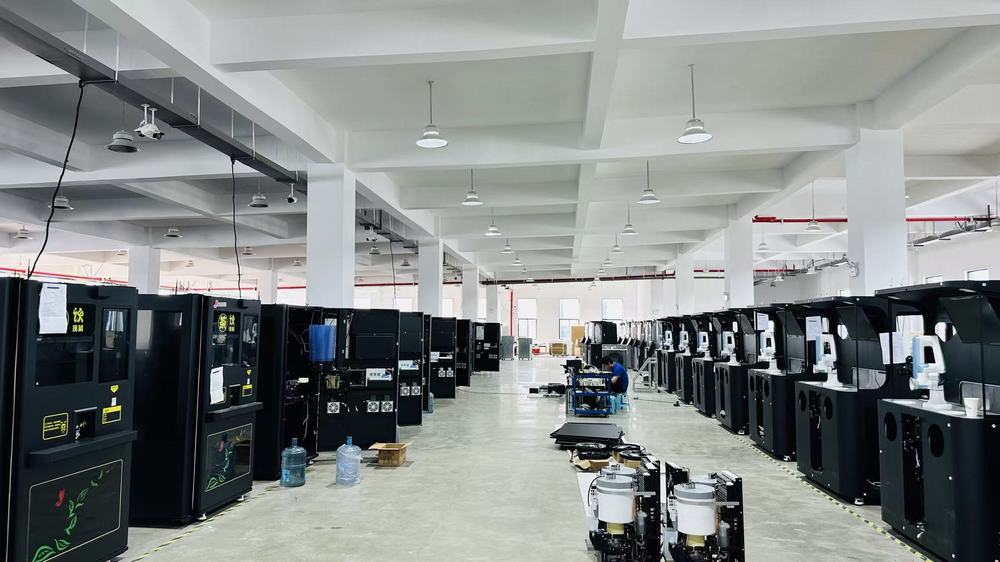
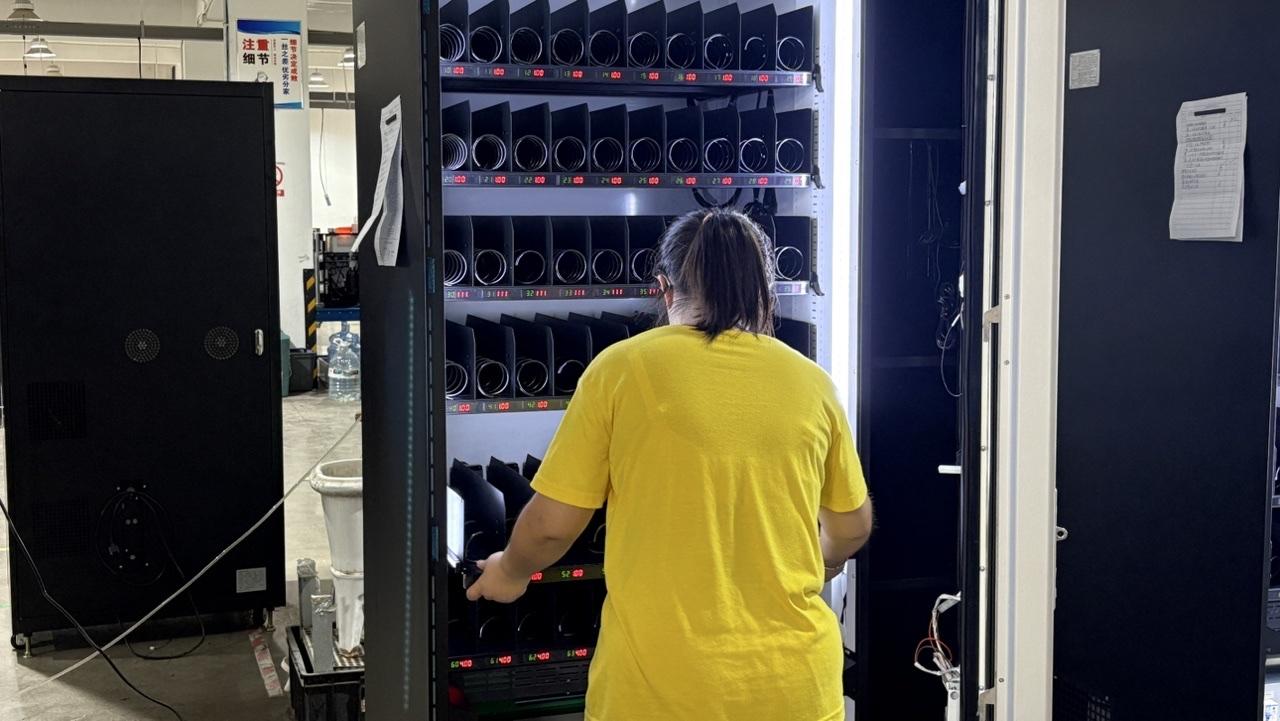
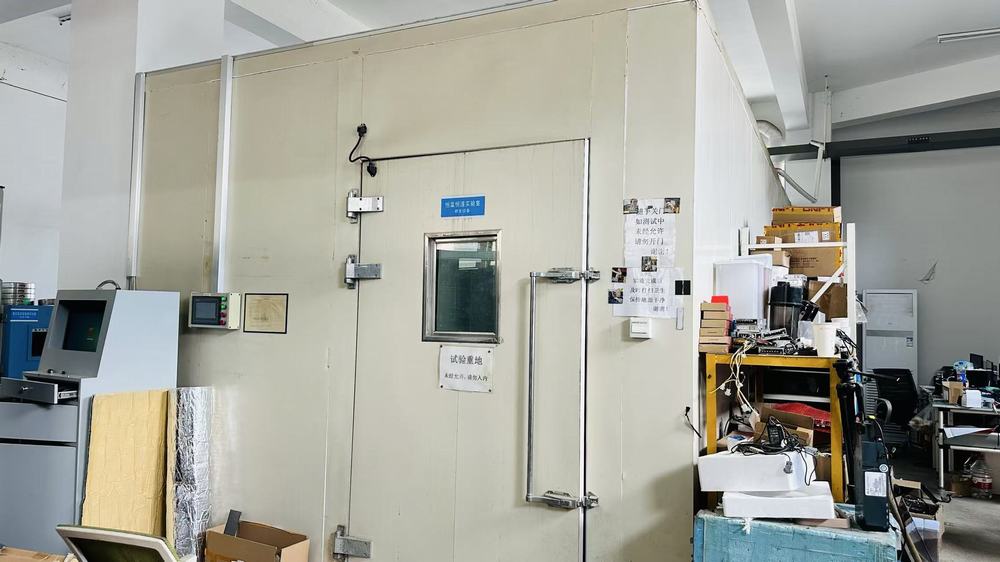
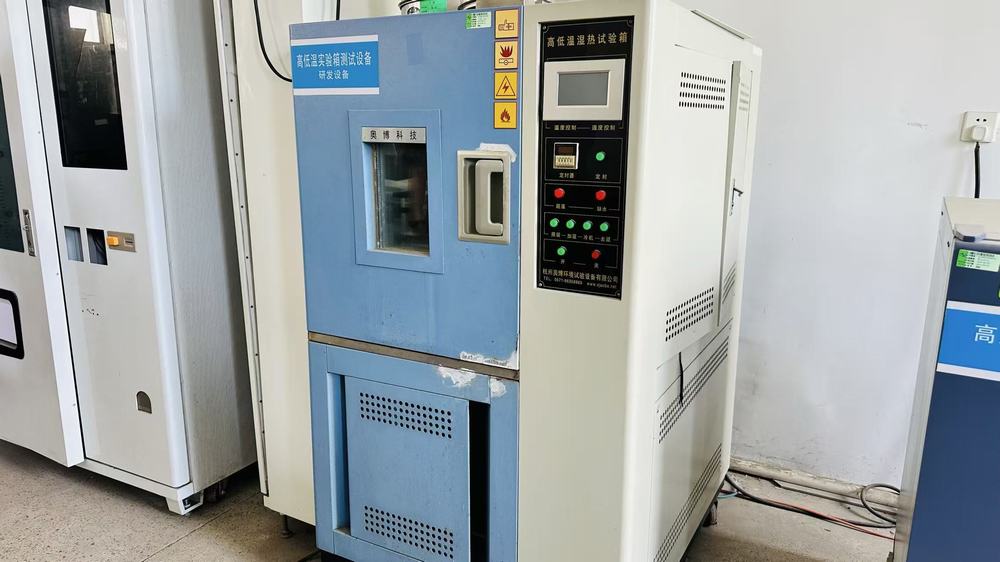
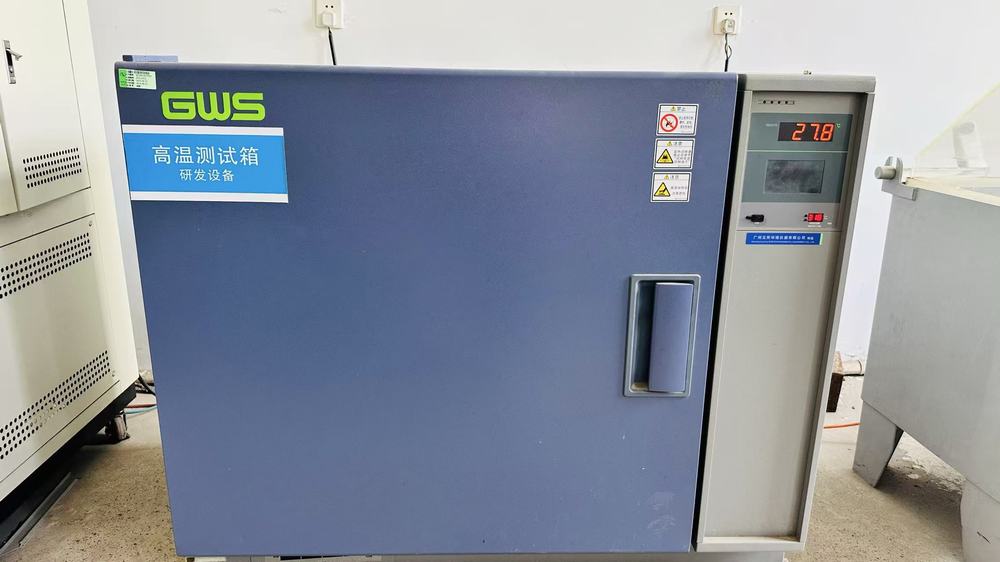
Supported by 15 graduate R&D engineers, we released 7 new commercial-grade systems last year alone. Our capabilities range from custom branding and graphics to specific hardware modifications tailored to local standards.
How our robotic coffee platforms are evolving to match the rapid advancements in AI, sustainable operations, and automated food preparation.
We are actively testing conversational AI interfaces for our touchscreen kiosks. Instead of clicking menus, customers can speak naturally to customize their drinks ("Double shot flat white with extra foam and oat milk"). The AI parses the request, dynamically updates the payment totals, and triggers the robotic arm to execute the brew order.
In line with New Zealand's Zero Carbon Act, our future development focuses on minimizing standby power draw and optimizing boiler insulation. Advanced sleep-wake algorithms calculate predictive foot traffic patterns, allowing the system to drop into low-power states without delaying service during high-demand rushes.
We are also developing integration options for plant-based dairy milk carton recycling structures, helping commercial entities achieve certified waste-free retail environments.
Answers to technical, regulatory, and logistics questions from commercial operators and system integrators in New Zealand.