JoeisaRobot
JoeisaRobot
JoeisaRobot
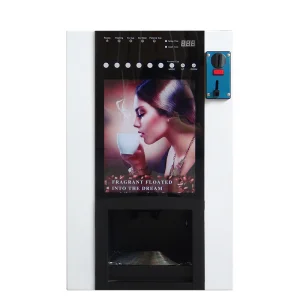
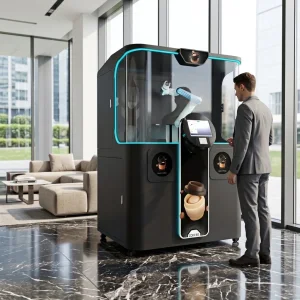
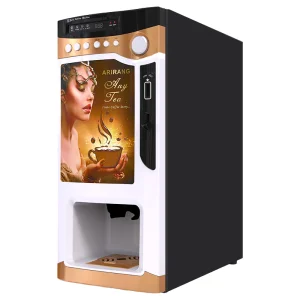
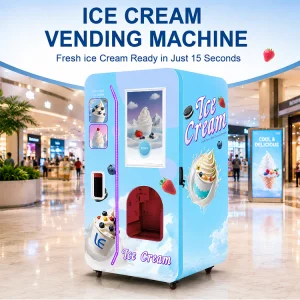
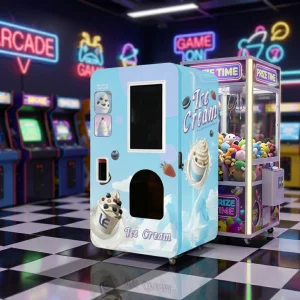
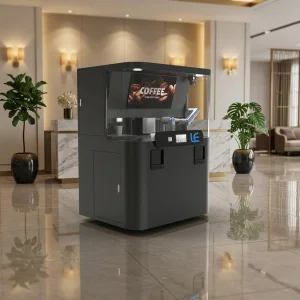
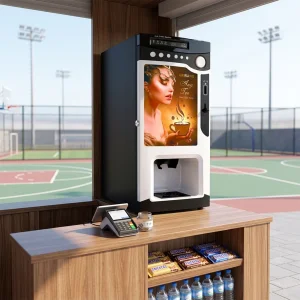
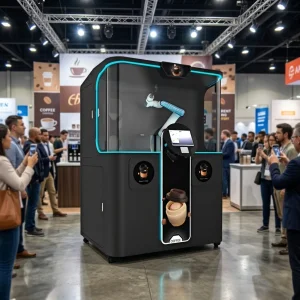
Explore our state-of-the-art robotic coffee baristas, automated soft-serve ice cream stations, and commercial instant dispensers engineered for global deployment.
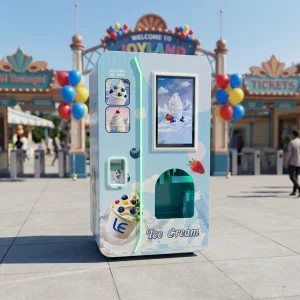
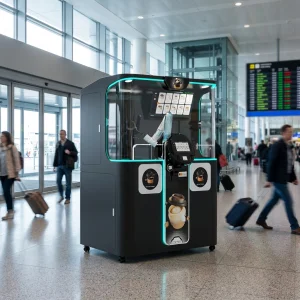
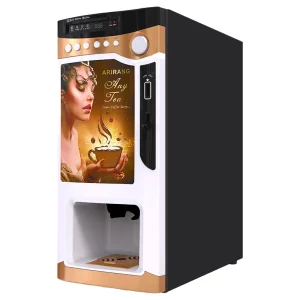
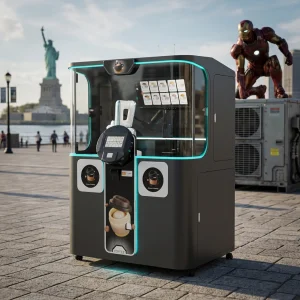
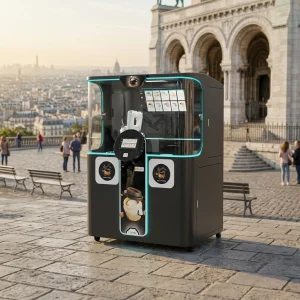
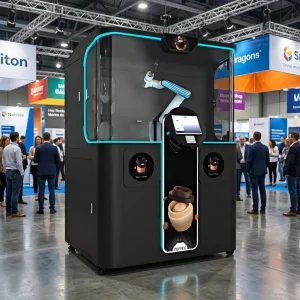
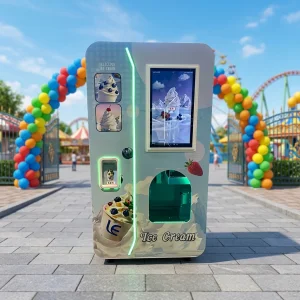
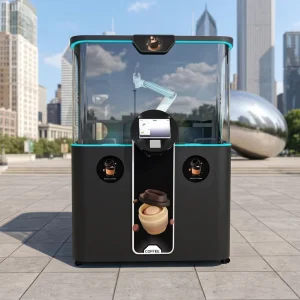
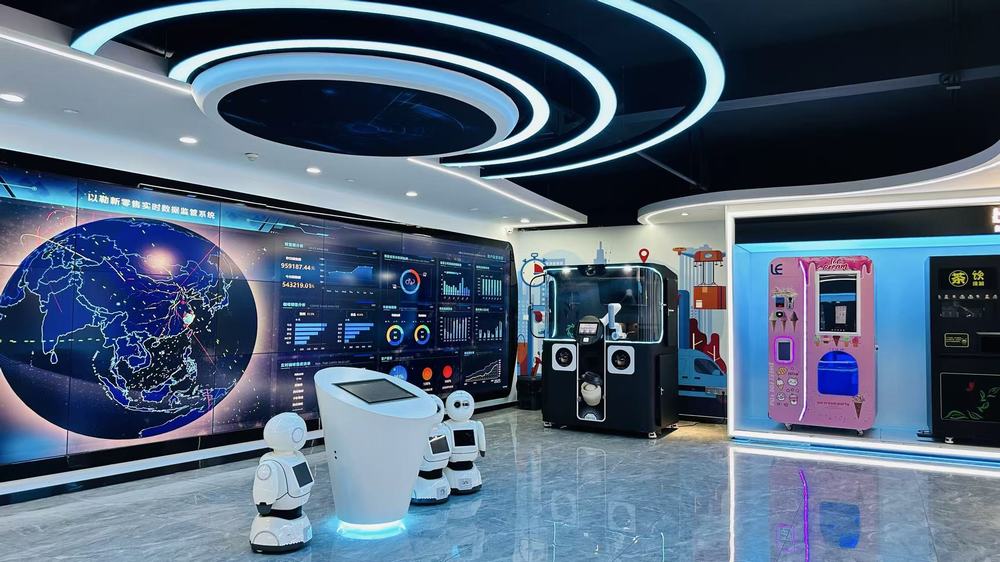
Executive Summary: As the global smart food services and automated retail market experiences a tectonic shift towards touchless, highly automated, and custom-engineered systems, the choice of your manufacturing partner determines your scale velocity. Established in 2007, we operate a 32,496 square meter advanced manufacturing facility in China. Under strict adherence to international industrial frameworks, we design, program, and export next-generation commercial beverage dispensers and automated robotic systems that power retail networks across Southeast Asia, North America, and Europe.
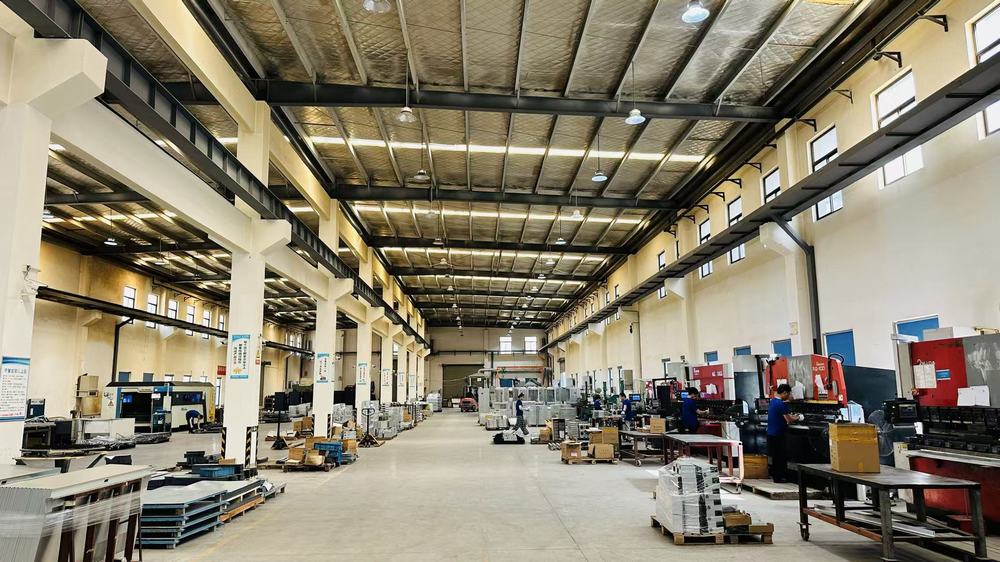
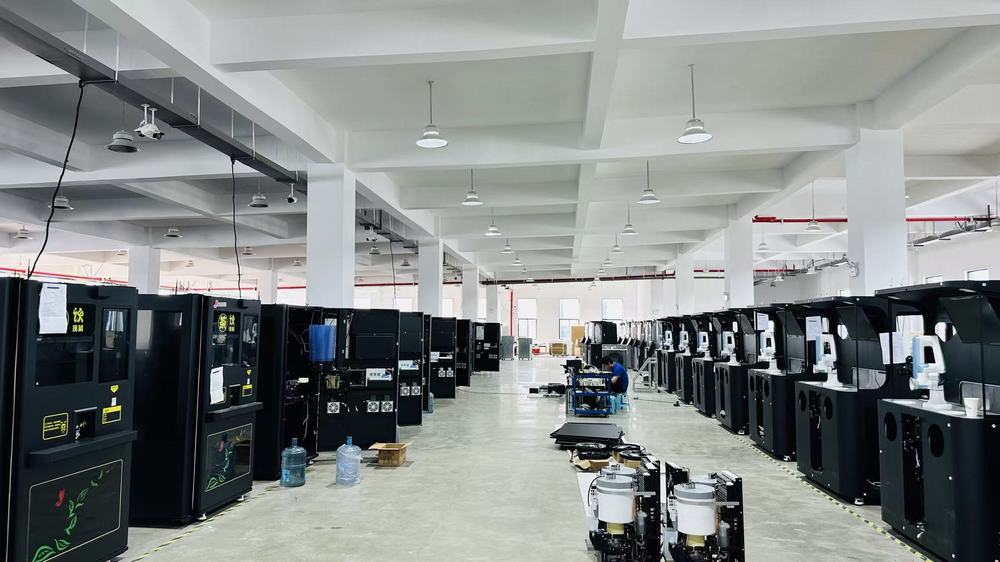
A deep dive into our manufacturing footprint, testing metrics, and production line configuration engineered for heavy commercial demands.
Deploying intelligent beverage and robotic dispensing systems across commercial ecosystems to boost operational efficiency and user engagement.
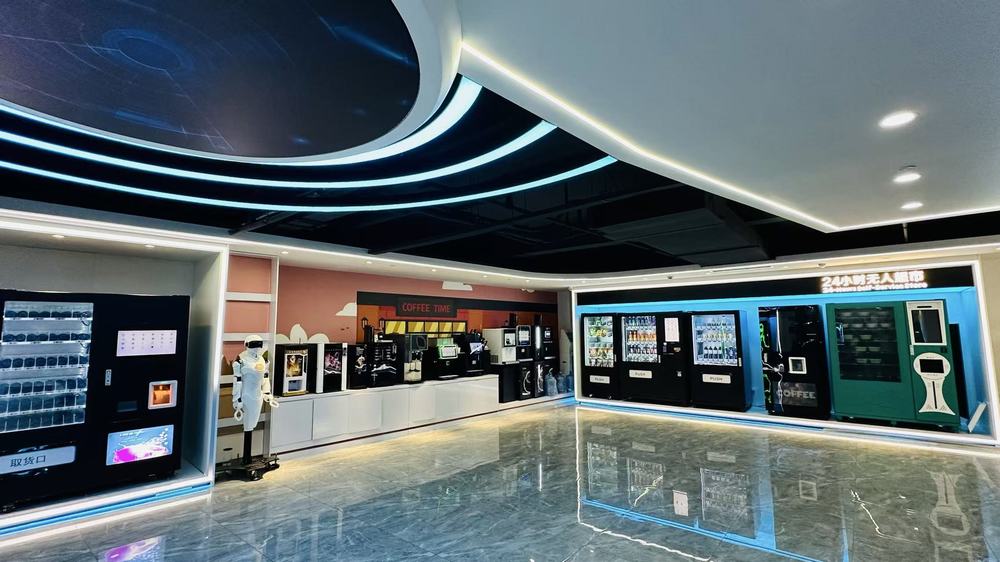
Unattended 24/7 terminal locations demand zero down-time. Our MDB-compliant coffee robot baristas and automated gelatier stations provide robust, touchless payment integration, and cloud-monitored telemetry systems that reduce localized operational overhead by up to 80%.
Replacing traditional breakroom setups with smart cup-dispensing bean-to-cup systems (incorporating SDK capabilities and customized instant formulas). Fully optimized for corporate networks, providing real-time data tracking of consumptions, auto-cleaning cycles, and silent brewing systems.
Enable Quick Service Restaurants and high-footfall environments to leverage interactive AI robotic arms for coffee, tea, and ice cream prep. With integrated photo printing capabilities for latte art, these models directly drive customer retention and local social media amplification.
Our beverage dispensers and automated robotic baristas integrate high-precision mechanics and thermal fluid controls. By utilizing advanced heating systems and high-pressure Italian brewing modules, we ensure extraction consistency. The core firmware supports light customized UI modifications, and full SDK integrations to communicate with local ERP infrastructure.
From MDB protocols linking cash and cashless transaction terminals to sensory monitoring of raw milk levels, ice levels, and temperature control (down to -18°C for gelatos and up to 98°C for espresso extractions), every mechanical interaction is tested for high longevity.


| Operations Parameter | Factory Capacity / Standards | Impact on Global Clients |
|---|---|---|
| Factory Floor Space | 32,496 Square Meters | Scalable capacity for high-volume contract manufacturing. |
| Active Production Lines | 6 Configured Lines | Concurrent assembly of robotic systems and tabletop dispensers. |
| Annual Output Capacity | 134,000 Units | Guaranteed lead times for global retail deployments. |
| QA/QC Inspectors | 14 Certified Personnel | 100% inspection protocol across raw, mid-process, and finished stages. |
| Raw Materials Traceability | Yes, fully integrated ERP mapping | Meets European Food Grade and UL electrical requirements. |
| R&D Engineers | 15 Graduate Engineers | Continuous optimization (7 new products launched last year). |
How our dispensing technology adapts to localized regulations, network requirements, and regional payment structures.
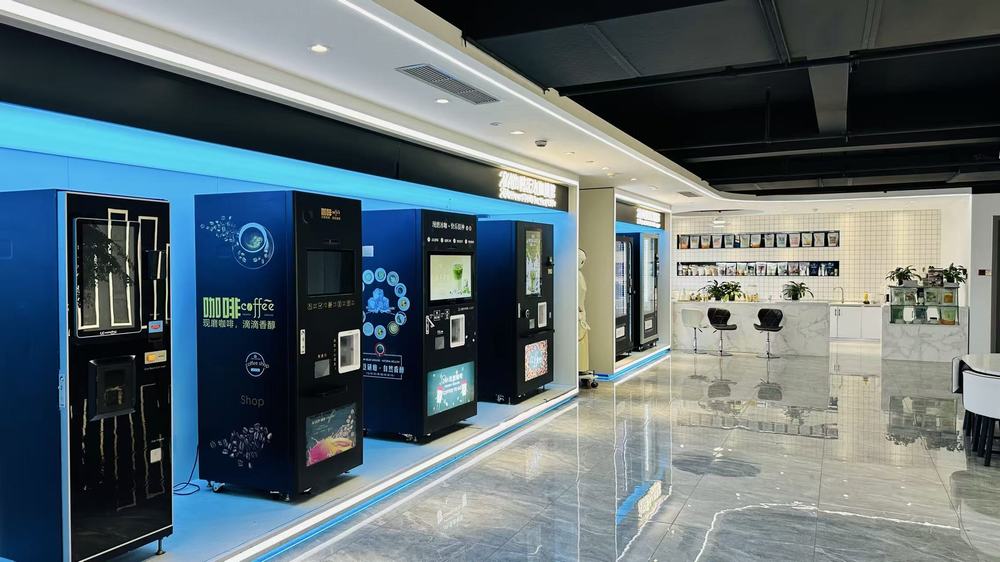
Our main commercial export channels span across Southeast Asia (35%), the Domestic Market (20%), and North America (10%). To serve these distinct regulatory frameworks, our dispensers are designed with modularity in mind:
Driving sustainable and AI-integrated beverage retail automation over the next decade.
Utilizing sensor hubs to detect micro-vibrations in hydraulic lines, pump heads, and robotic joints. The system preemptively alerts maintenance teams via IoT channels before any component failure occurs, ensuring uninterrupted operation.
Implementation of instantaneous double-boiler thermoblock heating configurations, shifting away from heavy high-volume boilers. Energy usage during standby mode is decreased by up to 45%, fulfilling the strict eco-design requirements of global standards.
Integration of consumer-facing mobile apps allowing customers to configure the micro-gram dosing of syrups, bean blends, milk fat ratios, and temperature directly from their smartphones, saving individual consumer profile preferences.
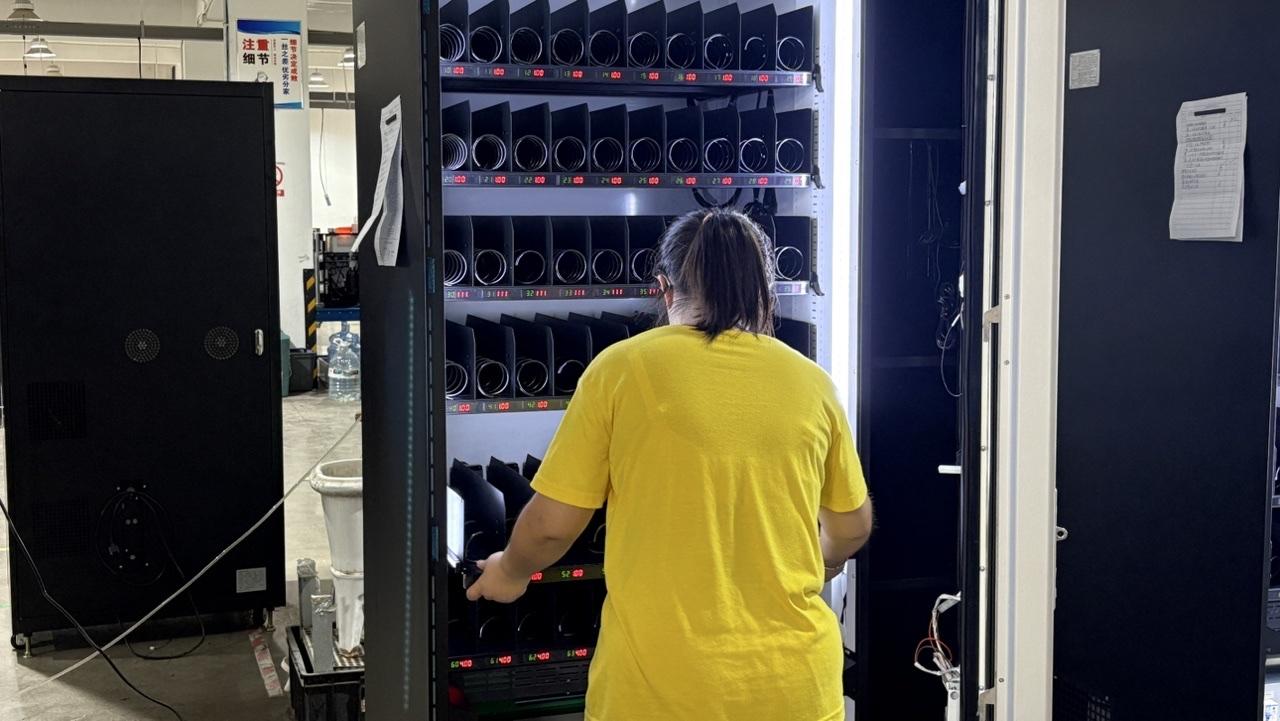
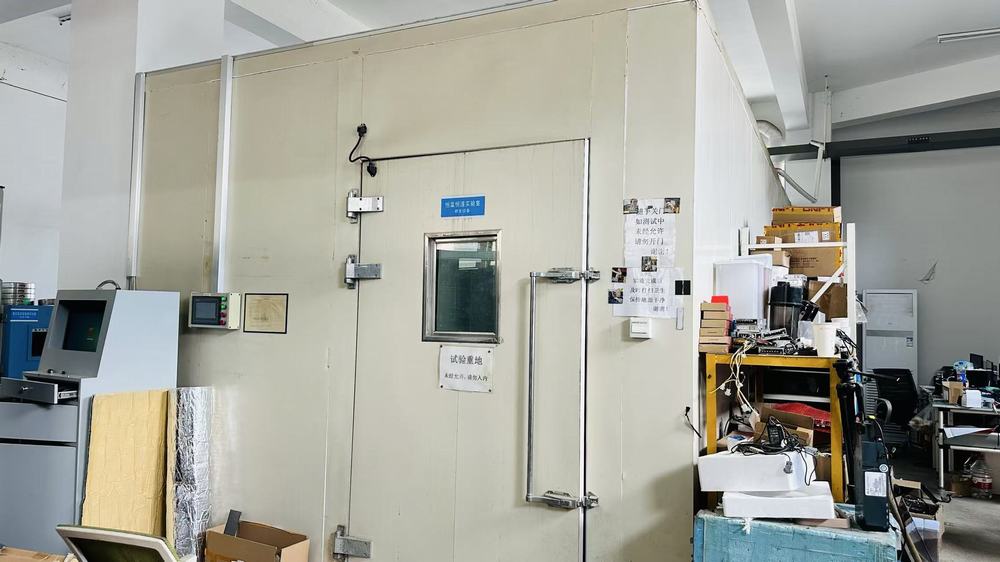
Inside our 32,496㎡ state-of-the-art facility: showcasing assembly, components, calibration, and QA validation.
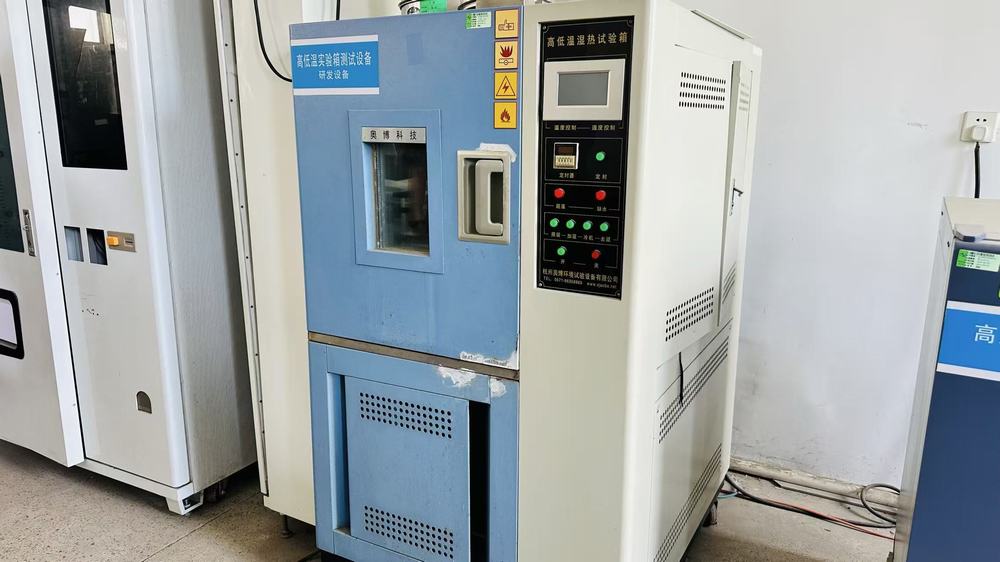
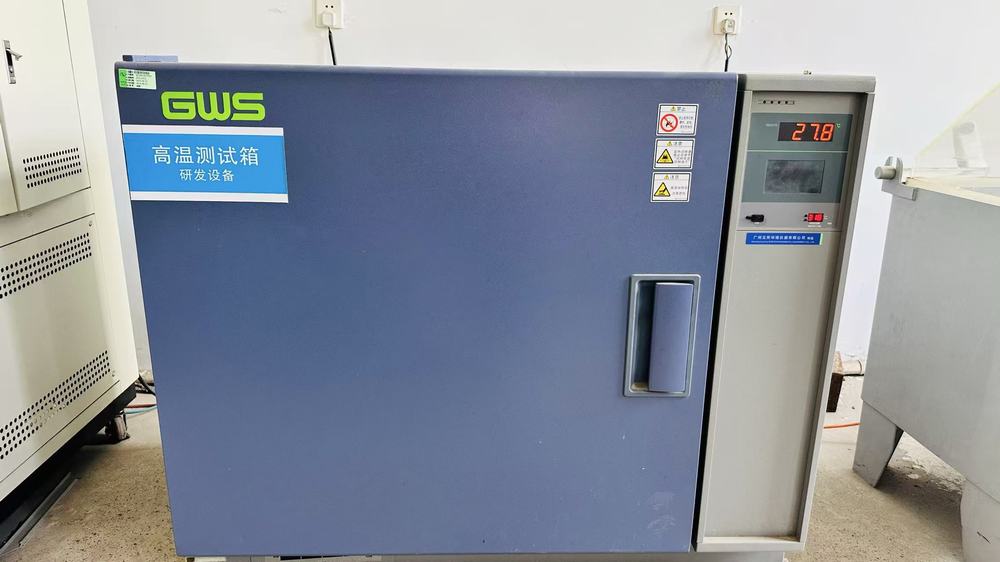
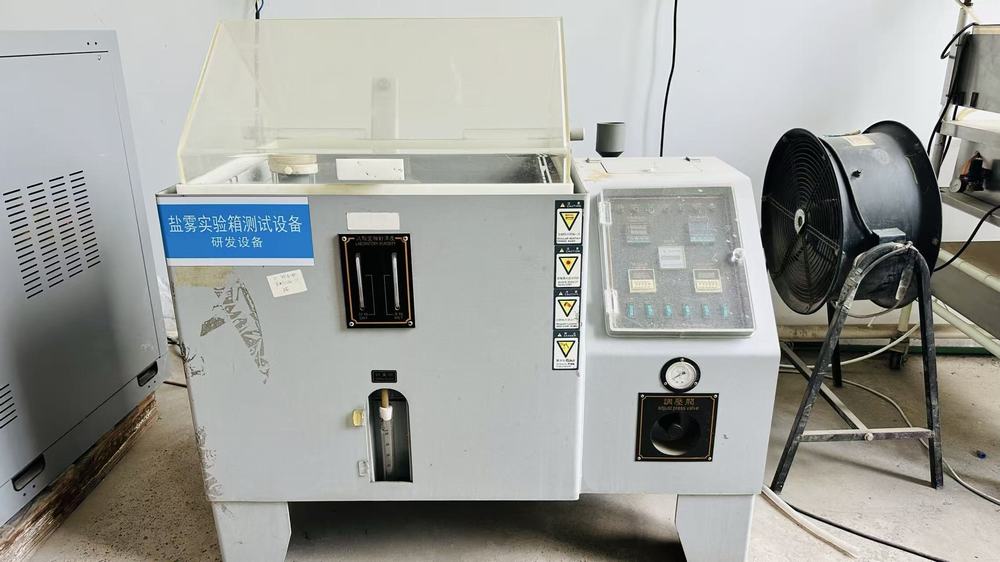
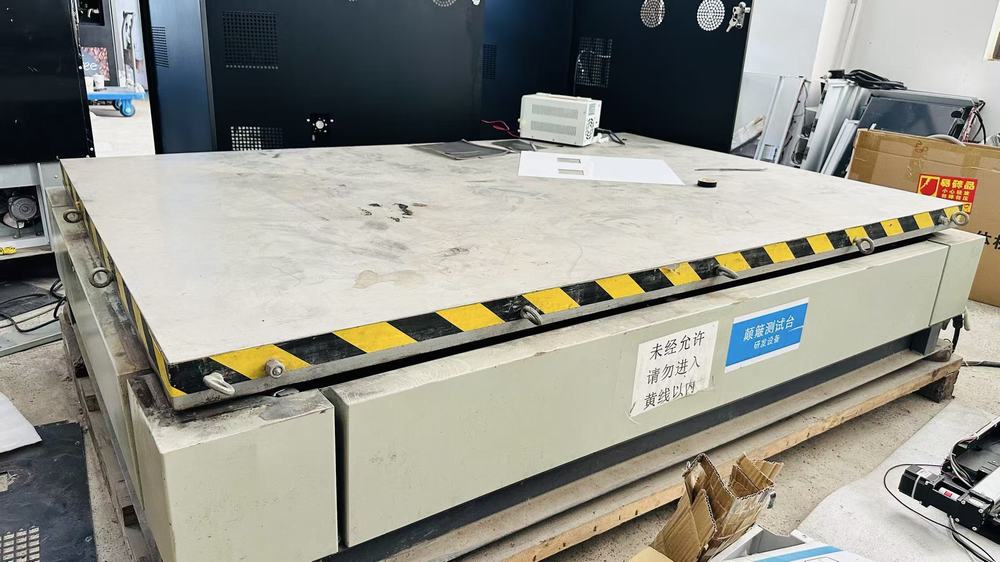
Answers to critical questions regarding compliance, integration, customization, and factory operations for B2B buyers.
Our machines support the industry-standard MDB (Multi-Drop Bus) protocol. This allows integration with various payment processors such as credit card readers (e.g., Nayax, Ingenico), cash validators, coin mechanisms, and QR-code-based mobile payment configurations. We also provide customized SDK integration for corporate intranets or proprietary payment structures.
Hygiene is managed through automated software cleaning routines. The machine is programmed to execute steam flushing cycles through the milk frothing line after every serve, coupled with periodic high-temperature chemical cleaning cycles. Temperature sensors inside the fresh milk storage keep ingredients chilled to 4°C, triggering an automatic shut-off if temp thresholds are breached.
We offer full-spectrum engineering customization, including light branding customization, customized UI/UX on touch displays, sample processing, graphic styling, and complex programming changes via the machine's SDK. All changes are coordinated by our 15-member graduate R&D team.
In accordance with ISO 9001 and ISO 14001 structures, every batch of incoming raw material (including valves, boilers, and robotic joints) is cataloged and tracked. If any field failure is reported, our system trace-back pinpoint compiles production parameters down to the exact shifts and component batches involved.
Our equipment models comply with international electromechanical safety standards, featuring certifications including ISO 9001, ISO 14001, and IEC 60335 compliance. This ensures safety during operation in public areas, corporate settings, and commercial hubs.
Supported by 6 functional assembly lines and a capacity of 134,000 units per year, typical manufacturing lead times range from 30 to 45 days, depending on custom configurations. With 19 years of exporting history, we handle multi-modal transit configurations to Southeast Asian, European, and North American ports under standard international trade terms.
High-performance configurations optimized for corporate operations, street vending, and premium coffee setups.