JoeisaRobot
JoeisaRobot
JoeisaRobot
Explore our state-of-the-art robotic food & beverage dispensers engineered for high-throughput commercial and unattended environments.
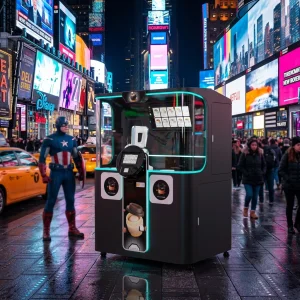
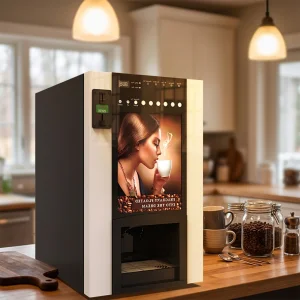
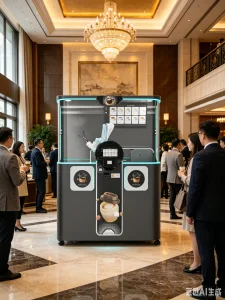
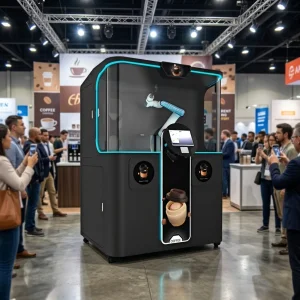
Whitepaper: Analyzing the transition from artisanal preparation to high-fidelity mechanical production.
The global culinary sector faces unprecedented skilled labor shortages. Specialized sushi chefs require years of training, driving up operating overheads. Our customized robotic systems standardize the compaction, rolling, and wrapping procedures, decreasing dependent operational costs by up to 65%.
Cross-contamination is a high-risk factor in raw seafood processing. By executing automation workflows, human contact with sensitive ingredients is minimized. Systems utilize medical-grade stainless steel (SUS304/SUS316) and direct sanitization cycles to exceed international FDA and HACCP parameters.
Industrial food processors, dark kitchens, and institutional caterers require massive volumetric outputs. Traditional hands-on methods fail to deliver the thousands of rolls required hourly. Our modular OEM machineries are rated for uninterrupted 24/7 assembly lines with zero performance degradation.
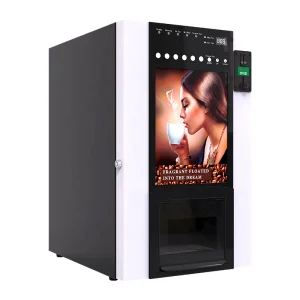
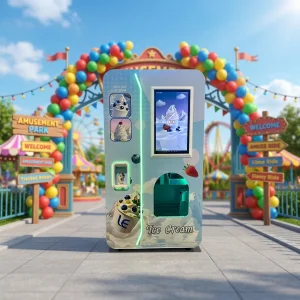
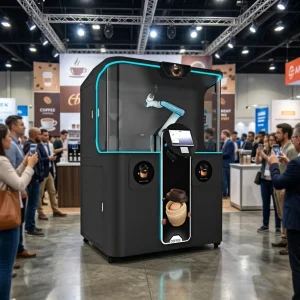
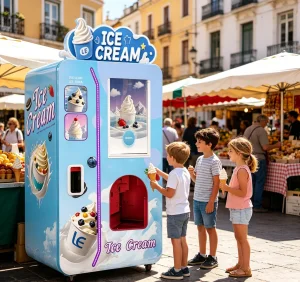
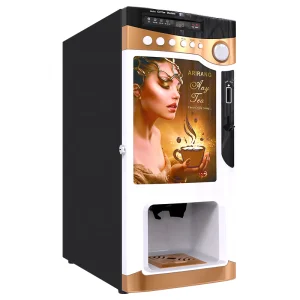
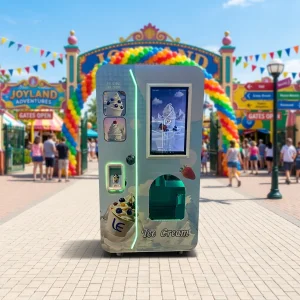
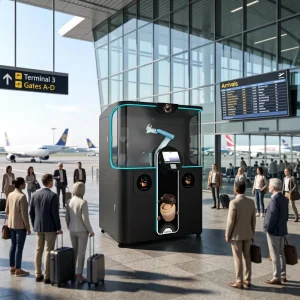
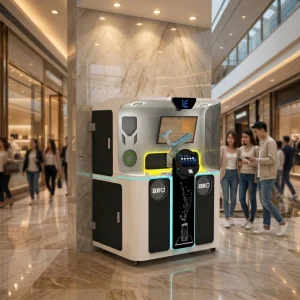
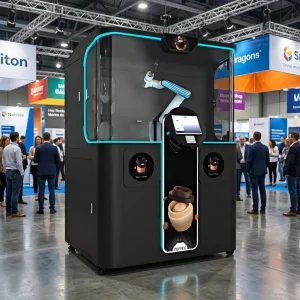
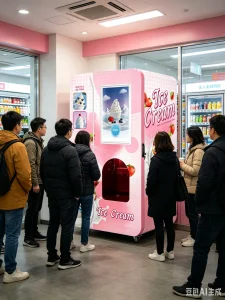
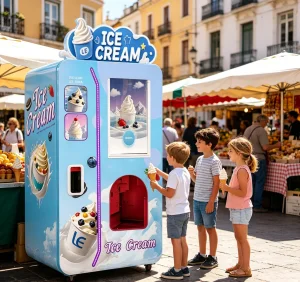
In modern commercial settings—ranging from airports and campus cafeterias to high-traffic retail malls—the integration of automation is reshaping consumer behavior. Our company serves as a comprehensive partner, building both the mechanical core of custom sushi preparation machineries and the software/robotic infrastructure seen in our advanced robotic coffee and soft-serve ice cream vending terminals. By cross-applying precise Cartesian positioning, robotic arm kinematics, and dynamic touchscreen telemetry across all platforms, we deliver a cohesive unattended food service ecosystem.
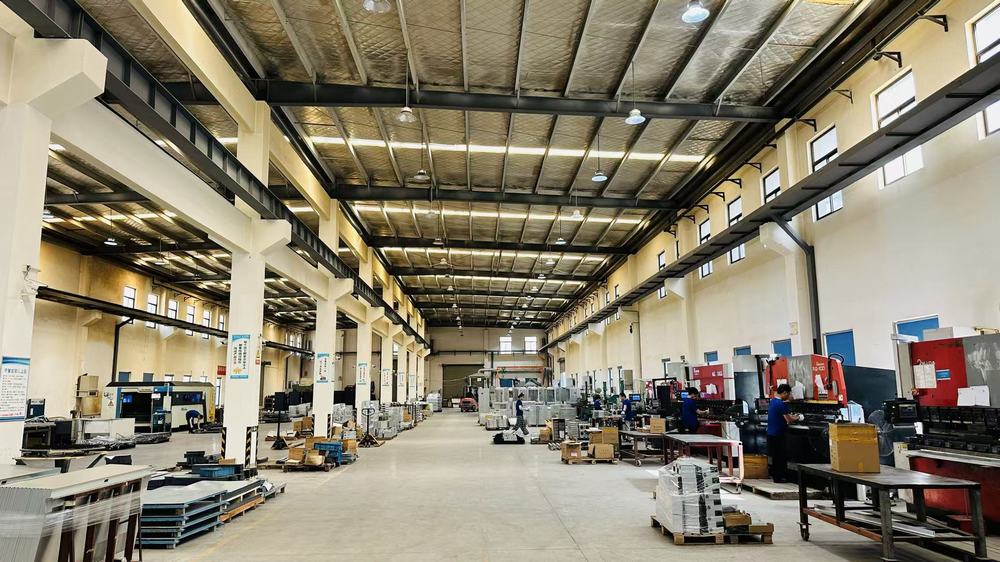
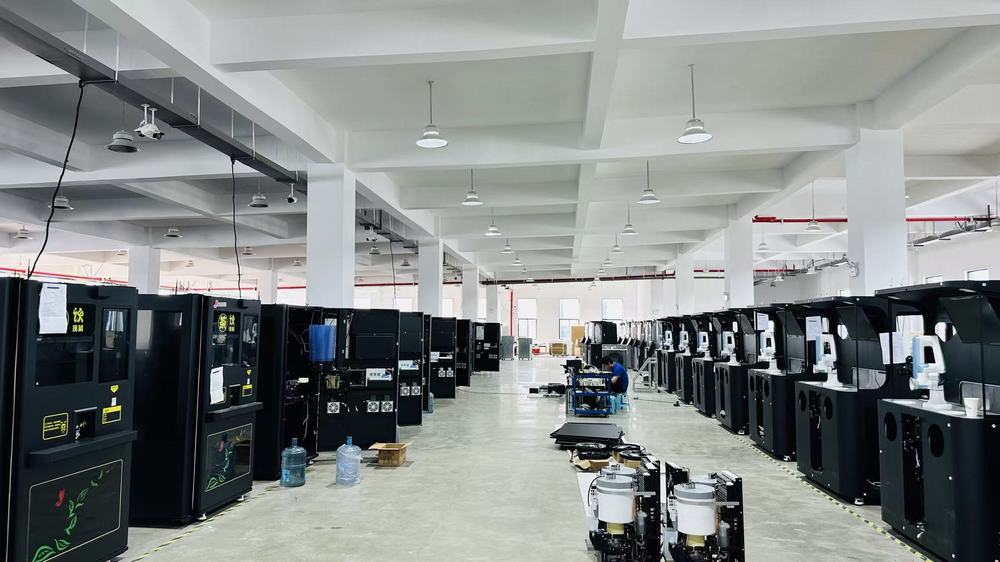
A look into our 32,496 square meter smart fabrication plant and structural quality framework.
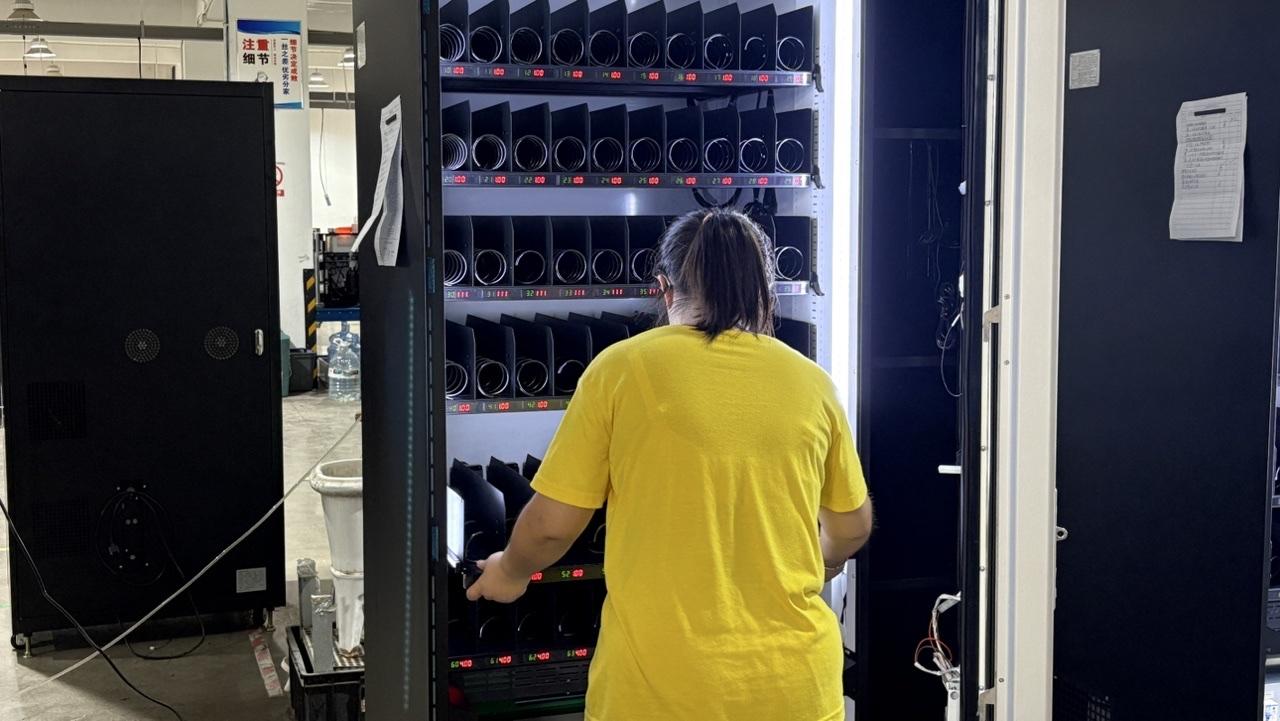
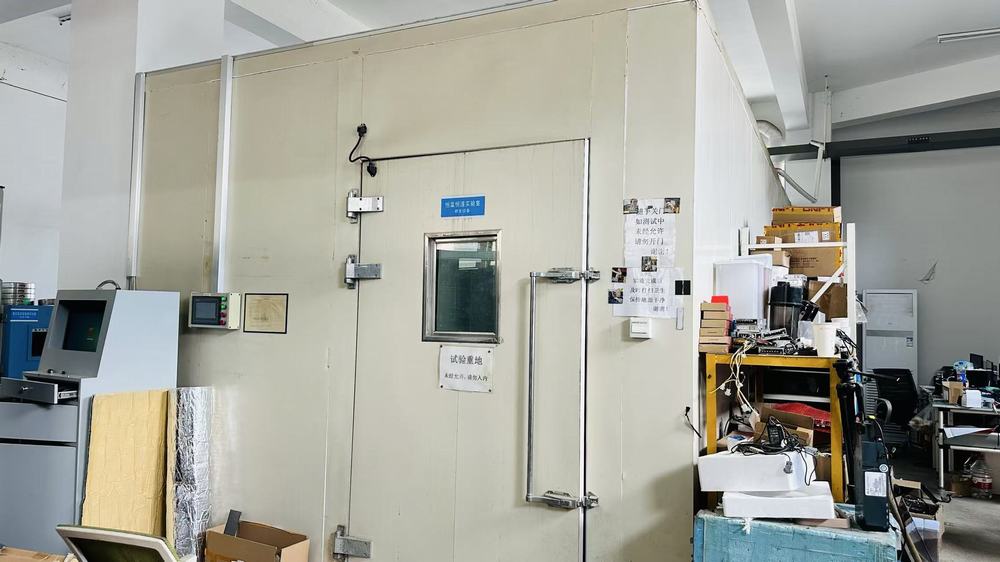
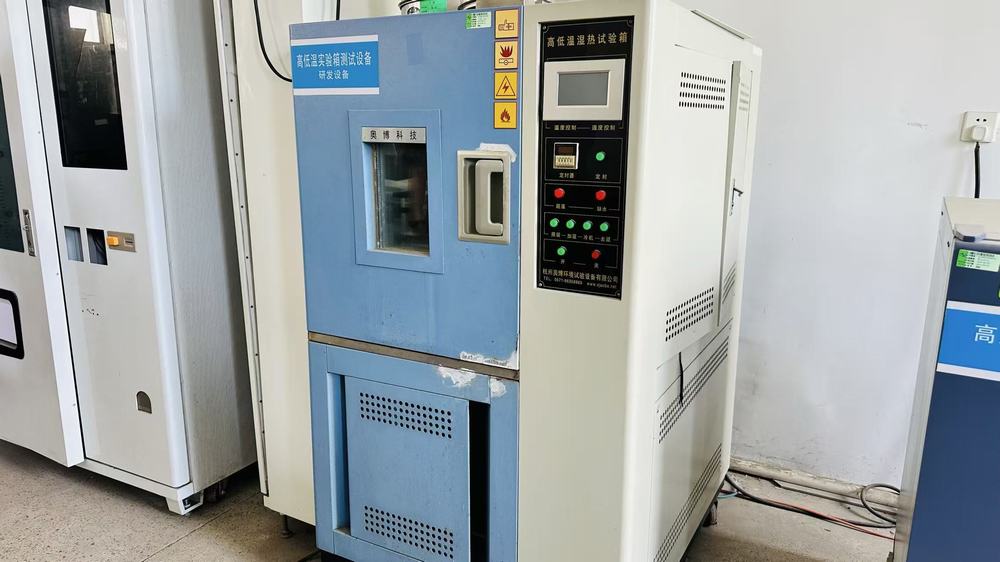
Our facility ensures strict tracking compliance across every stage of the assembly line. Raw materials undergo systematic barcode tracking, ensuring full supply chain visibility from raw alloys to finalized machines. Our production is guided by structural quality inspectors utilizing specialized testing frameworks.
| Certification Class | Registration ID / Reference No. | Scope and Compliance Focus |
|---|---|---|
| ISO 9001 | NOA1827667 | Global Standard Quality Management Systems for design, assembly, and testing. |
| ISO 14001 | NOA1998653 | Environmental management controls mitigating chemical footprint and emissions. |
| IEC 60335 | SHES200701263401-M3 | Safety standards for commercial electrical appliances and automated kitchen units. |
| LVD Compliance | BE-39202/M3 | Low Voltage Directive security protocols for industrial automated electrical interfaces. |
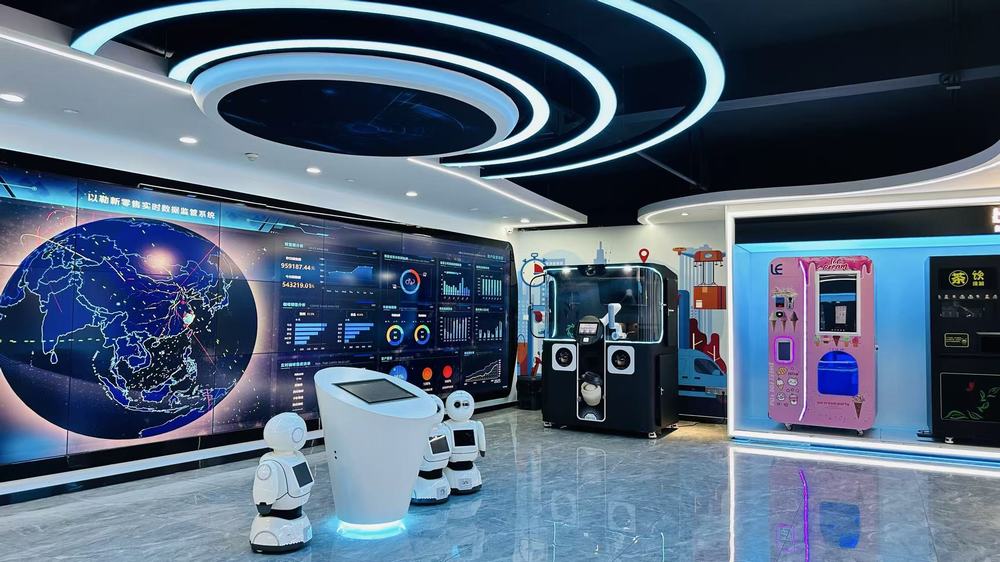
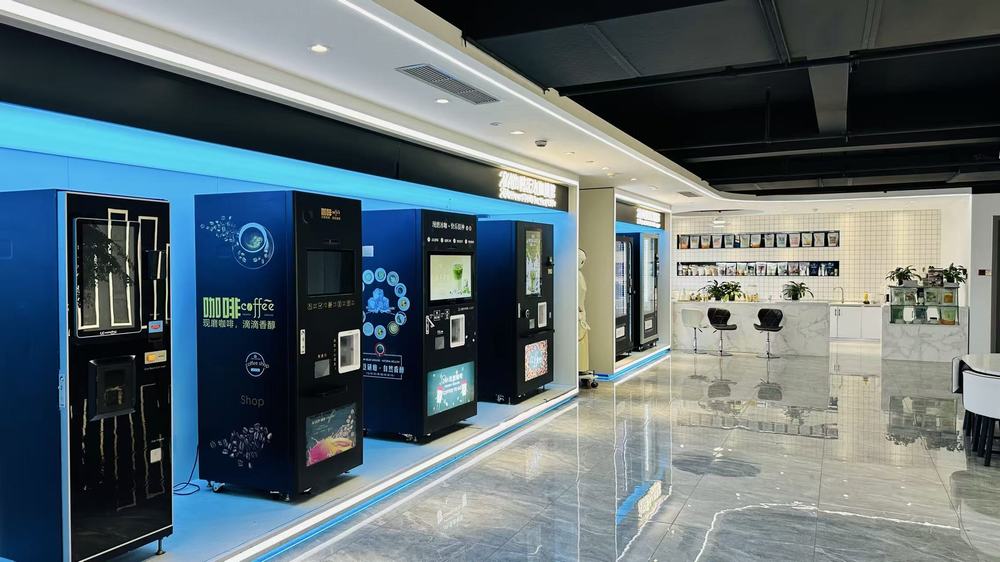
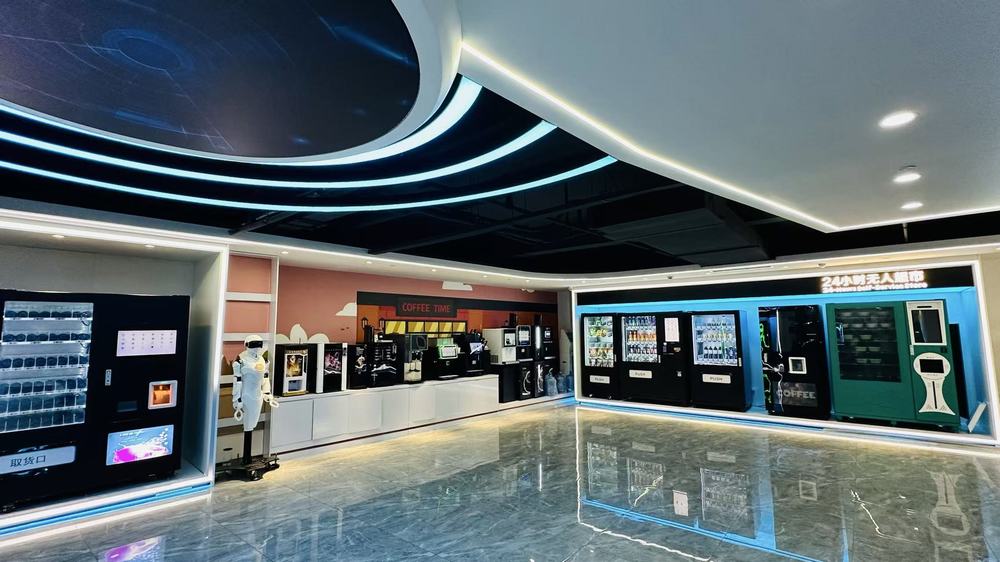
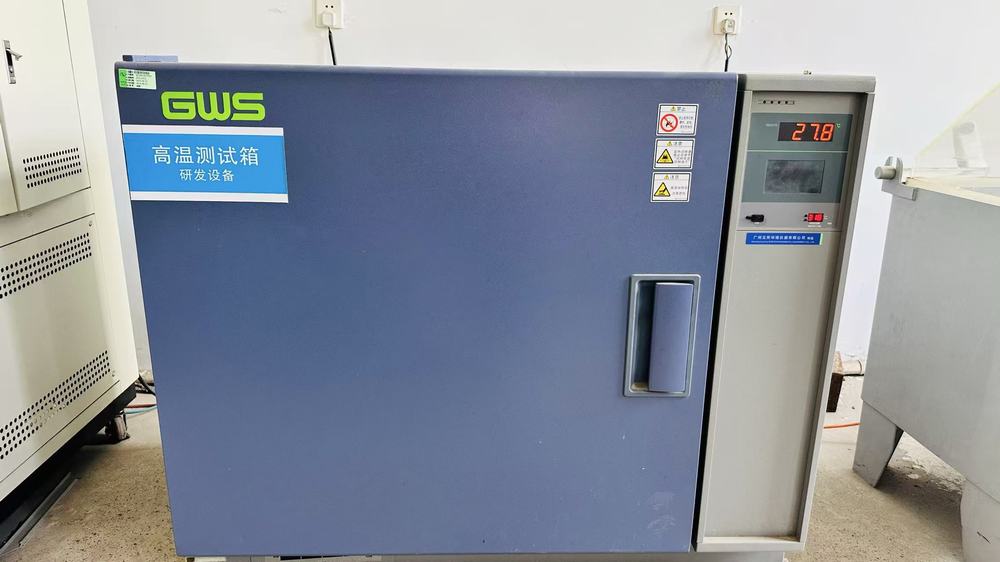
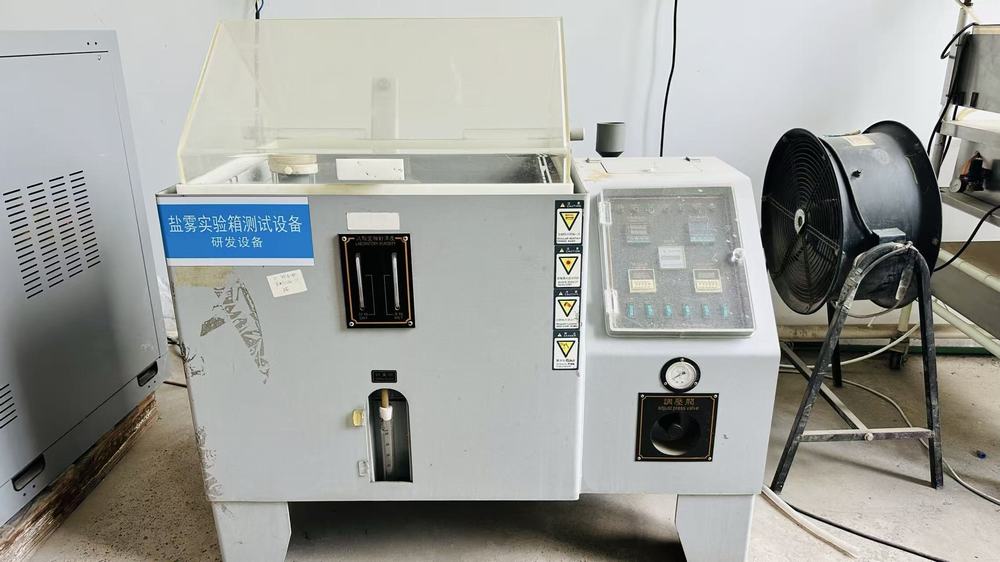
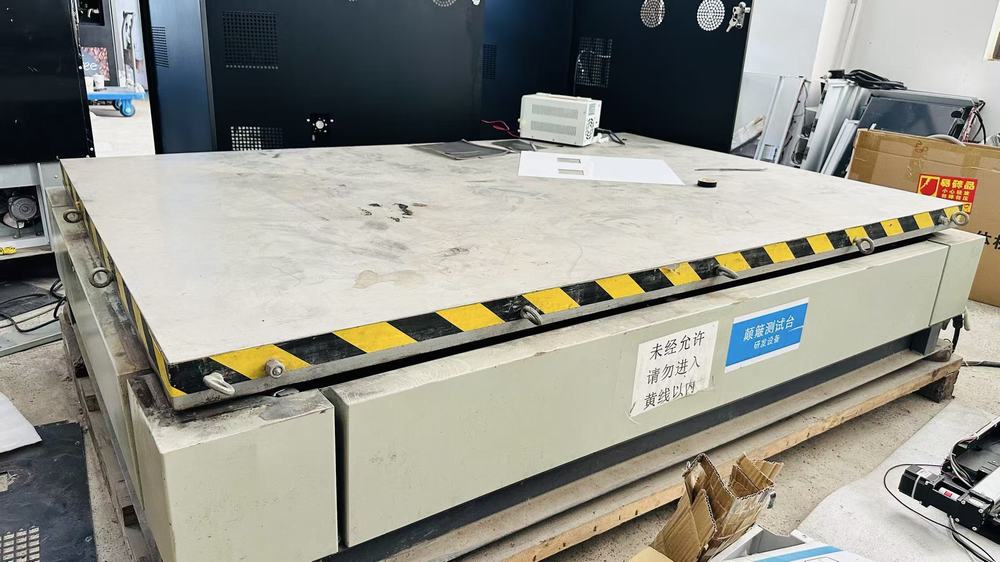
An overview of the custom mechanics and software architectures implemented in our OEM/ODM platforms.
Our sushi rolling machinery uses food-safe non-stick resin gears and Teflon-coated shaping modules. Spindle systems compress cooked sushi rice at exact pressures to prevent grain mashing, maintaining density parameters comparable to hand-crafted sushi. Roll-cutting mechanisms are equipped with high-speed Teflon blades.
To preserve ingredient freshness and meet hygiene standards, integrated chambers utilize dual-zone thermal insulation. The storage module maintains raw ingredients at 2°C to 4°C, while the processing area controls humidity to prevent moisture loss. This eliminates the risk of bacterial proliferation while keeping food fresh.
Our automation frameworks are built on robust firmware with complete SDK and API integration capabilities. This allows system integrators to configure customized touchscreens, remote IoT monitoring dashboards, custom product sizing settings, and multiple localized payment APIs (MDB/Dex protocols).
With over 19 years of exporting history, our factory specializes in custom engineering requests. Whether you require structural adjustments for custom sushi shapes or full-service firmware modifications for automated kiosks, our team of 15 graduate engineers handles the entire process.
Laser-etched brand identities, localized chassis colors, custom visual graphics, and configured regional power sockets.
Modification of mechanical components, container capacities, custom conveyor systems, and custom sizing parameters.
Submit CAD drawings or physical design prototypes. Our R&D department can generate a working mechanical prototype within 30 to 45 days.
Strategic development vectors driving our automated kitchen and vending equipment through 2026.
Implementing optical inspection sensors to dynamically detect inconsistencies in rice thickness, roll compression density, and volume levels. This enables real-time motor calibration to maintain consistent preparation quality.
Developing automated chemical cleaning cycles inside closed processing zones. Sanitizing rinses and hot air drying cycles minimize manual cleaning steps, reducing labor requirements while preserving health standards.
Connecting machines to cloud networks to track spindle wear, motor currents, and thermal drops. This system identifies component wear in advance, alerting operators before potential downtime events occur.
How we manage international delivery, quality verification, and field support across global markets.
To support global deployments, our touchscreen interfaces support multiple languages. System settings can be toggled between English, Spanish, Russian, and Italian, simplifying training for diverse operation teams.
Our engineering department builds electrical systems tailored to regional grids, configuring machines for 110V/60Hz, 220V/50Hz, or 380V three-phase configurations. All systems are equipped with leakage protection switches and overload fuses.
We maintain an inventory of replacement parts, including heating elements, Teflon belts, cutter blades, and pneumatic components. Standardized components are shipped via expedited air delivery to minimize downtime.
With 19 years of exporting experience, we deliver automated machinery worldwide. Our primary markets include Southeast Asia (35%), our Domestic Market (20%), and North America (10%). Our logistics network manages clearance and freight delivery to ports in North America, Western Europe, and key regional hubs.
Answers to common engineering, procurement, and integration questions from commercial buyers.
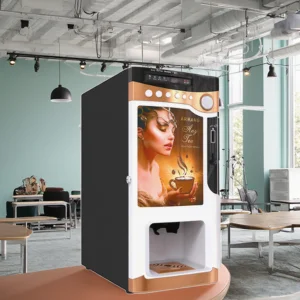
Browse additional specialized machinery systems designed for high-traffic environments, office setups, and retail locations.