JoeisaRobot
JoeisaRobot
JoeisaRobot
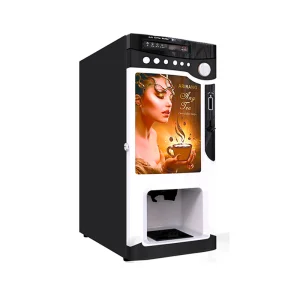
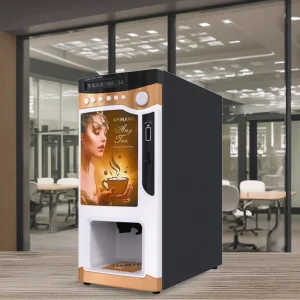
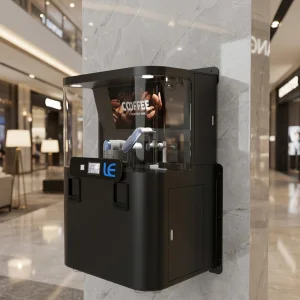
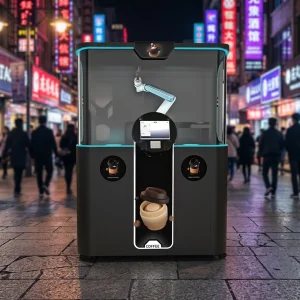
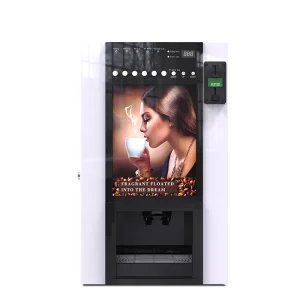
Explore our core selection of automated vending, intelligent coffee makers, and commercial refrigeration solutions designed for modern catering operations.
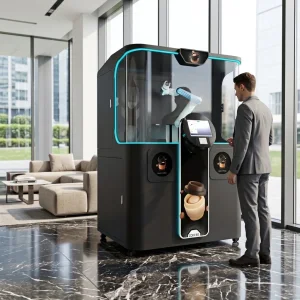
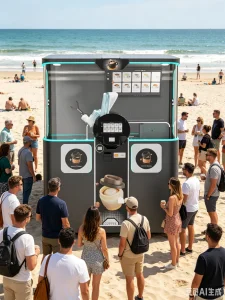
Analyzing the B2B tectonic shifts toward robotic kitchen integration, energy sustainability, and global safety alignments.
The global commercial kitchen landscape is undergoing a massive transformation powered by automation, robotics, and strict international compliance parameters. In the segment of high-capacity cooking, particularly for commercial griddle machines, the demand has moved far beyond simple thermal conduction. Today, top-tier global food chains, institutional dining facilities, and ghost kitchens require automated cooking systems that offer micro-level temperature consistency, low carbon footprints, and complete integration with cloud management software.
By leveraging state-of-the-art heating dynamics and robust construction, modern griddle machines act as the reliable engine of cooking operations. The shift towards automated griddle lines allows Quick Service Restaurants (QSRs) to mitigate rising labor shortages while maintaining highly repeatable culinary results. When backed by authentic CE Certification, these systems guarantee adherence to the strictest European safety, health, and environmental protection requirements, making them the default choice for global export networks.
Independent control loops powered by microprocessors ensure that different plate zones operate at unique, precise temperatures, minimizing fuel/power consumption and preventing heat transfer overlap.
Engineered for hands-free operations. Our physical machine chassis and software framework support seamless automation interfaces, letting external robotic components handle flip and transfer cycles.
Engineered to bypass commercial cooking hazards. Active thermal safety overrides, earth-grounding integrity, and ingress protection (IPX) ratings are built into the design from the prototype stage.
Translating manufacturing excellence into measurable commercial capacity for worldwide distributors.
Modern commercial procurement managers do not buy isolated machines; they secure production lines that integrate flawlessly into complex supply systems. Our production workflow handles the challenges of customization (OEM/ODM options including custom branding, sheet metal configurations, and proprietary control interfaces) while remaining strict on structural reliability.
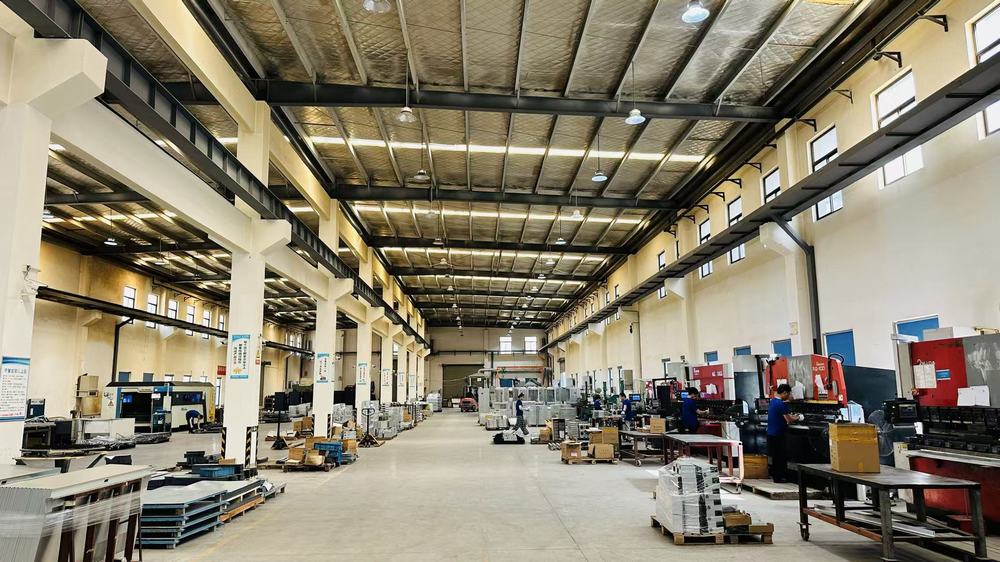
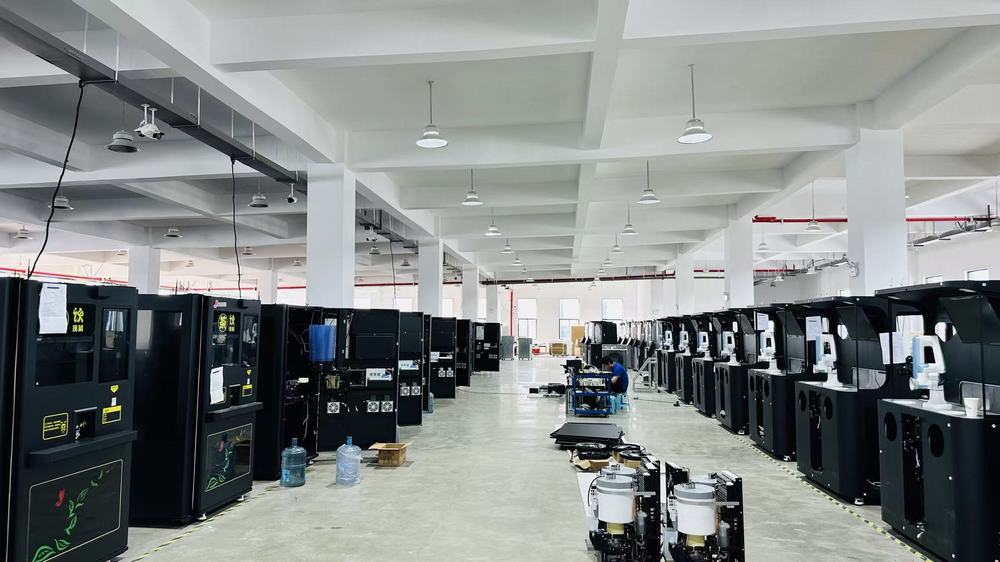
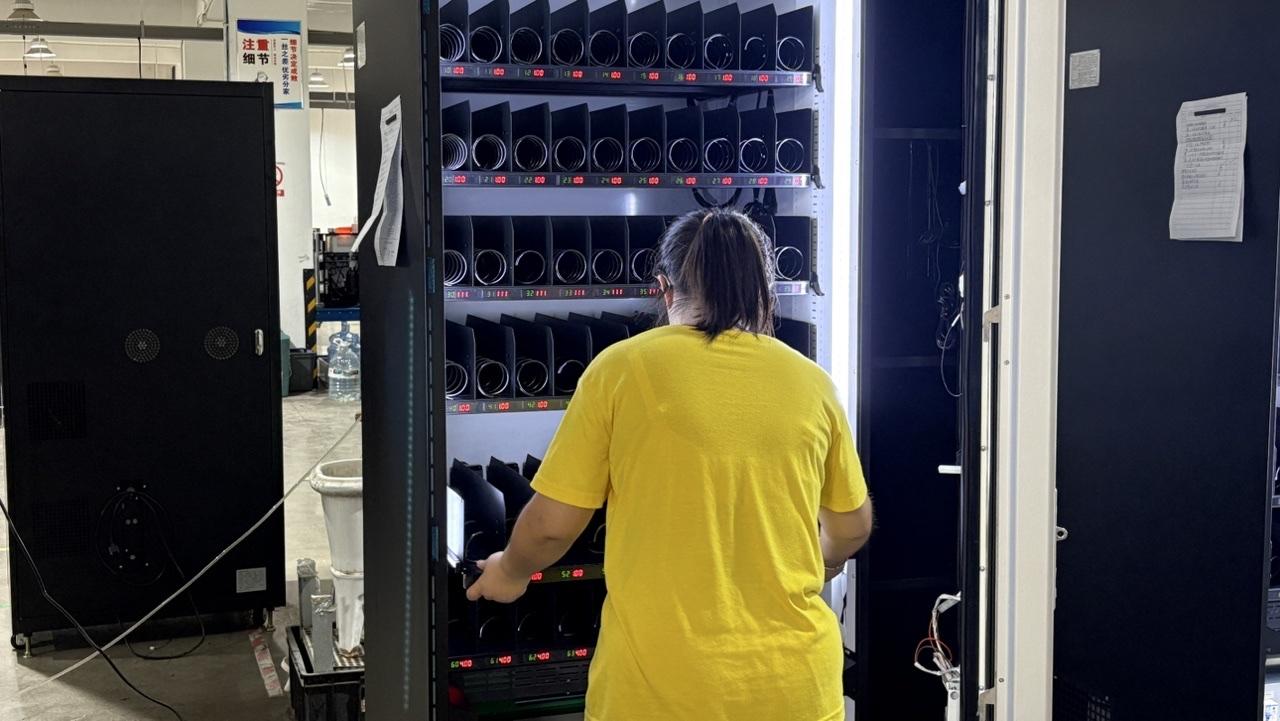
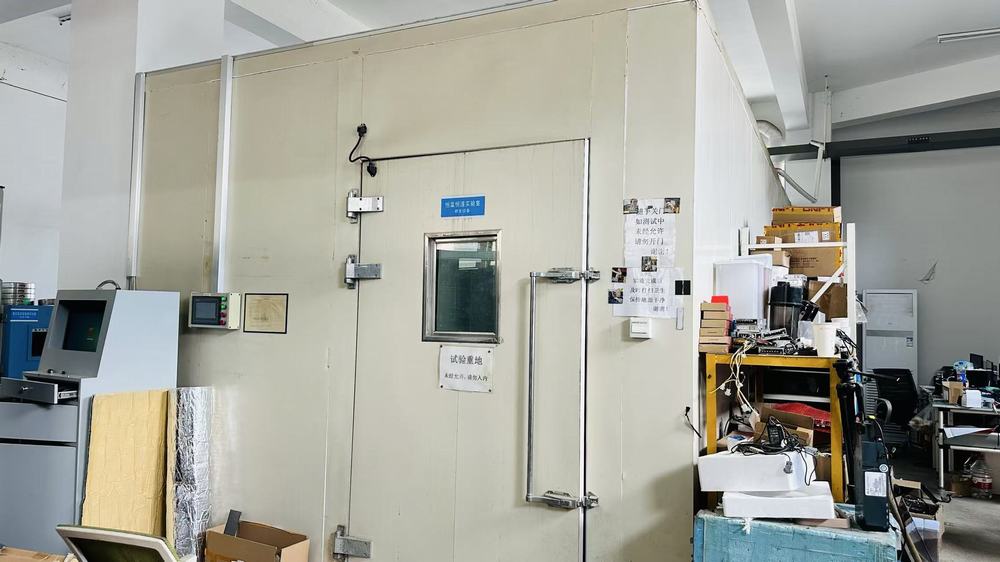
Employing a team of 14 dedicated QA/QC inspectors allows us to enforce trace-level monitoring. Every steel batch, thermal element, and wiring harness is tracked from receipt to finalized crating. Before leaving our 6 specialized assembly lines, every griddle and automatic beverage kiosk is put through thermal run-tests and high-voltage leak tests, ensuring that out-of-the-box failures are effectively nonexistent.
Our 15 R&D engineers (all holding postgraduate degrees) have developed modular structures that support quick field servicing. This design philosophy is applied globally, allowing technicians to swap out core heating assemblies or digital logic units in minutes, minimizing downtime during peak operation hours.
| Registration Date | 2007-11-07 |
| Production Lines | 6 Dedicated Lines |
| Total R&D Staff | 15 Graduate Engineers |
| QA Inspectors | 14 In-house Specialists |
| Primary Markets | Southeast Asia (35%), Domestic (20%), North America (10%) |
| Supported Languages | Spanish, English, Italian, Russian |
| Customization Service | Full Light/Demanded OEM, SDK & Graphic Processing |
 ISO 9001 (NOA1827667)
 ISO 14001 (NOA1998653)
 IEC 60335 (SHES200701263401-M3)
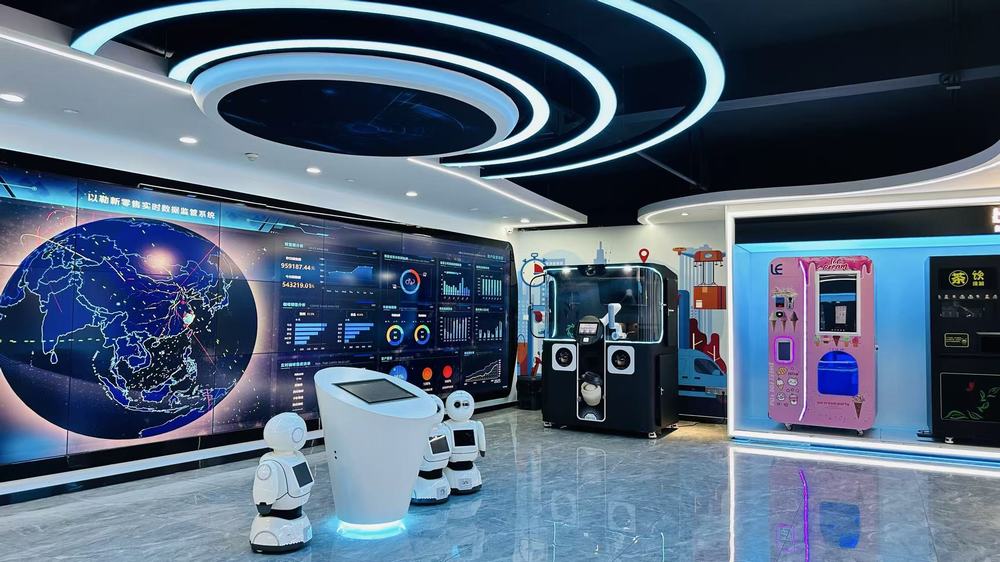
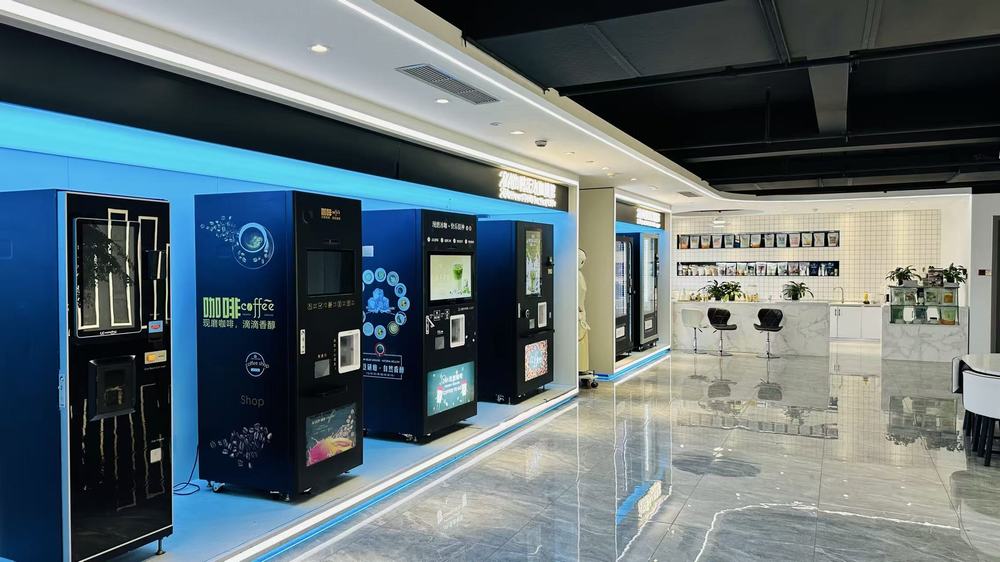
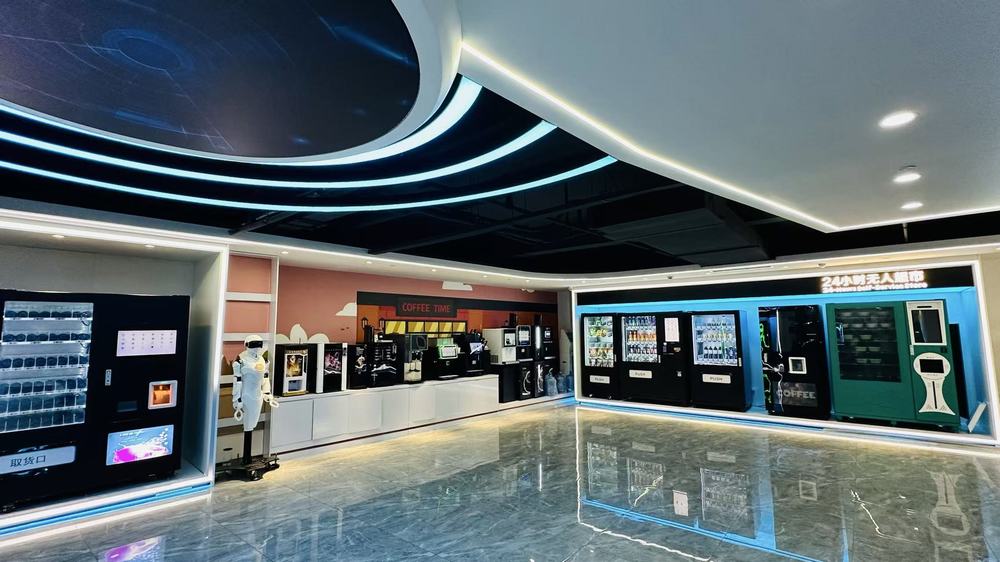
Inside our 32,496 square meter production facility showing our machinery, testing bays, and high-efficiency automation layout.
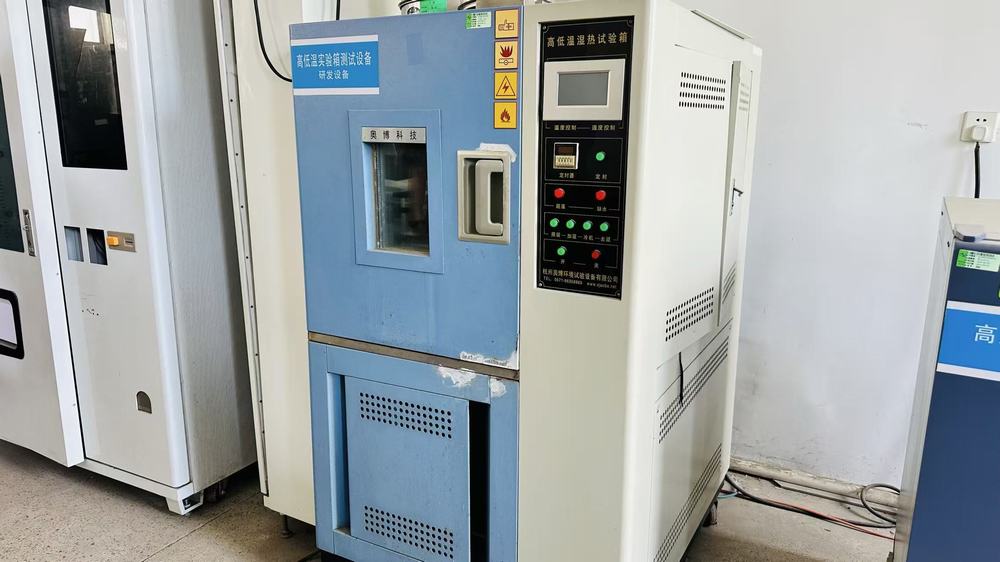
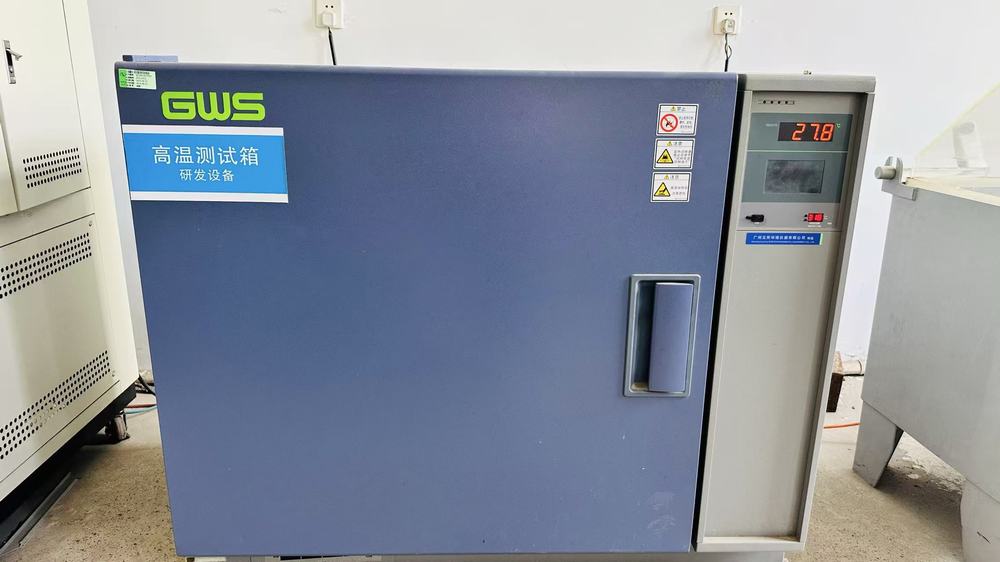
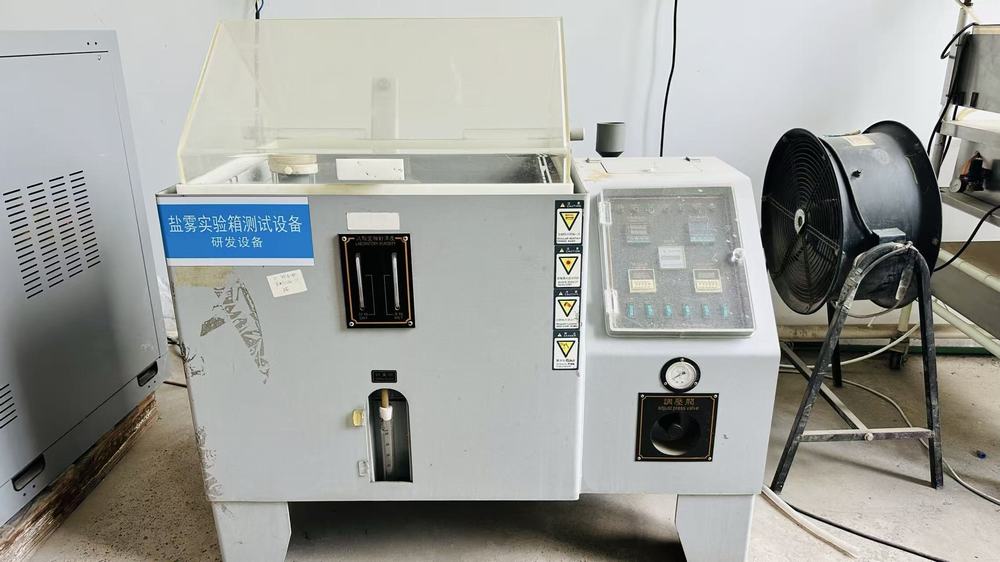
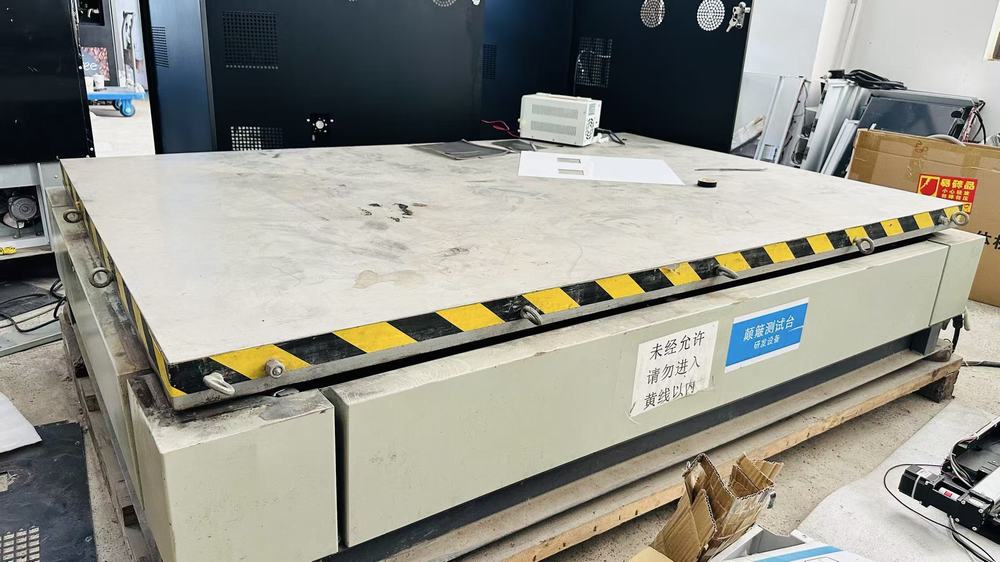
How we integrate thermodynamic efficiency, IoT telemetry, and collaborative automation into our future product lines.
As griddle machines transition from simple analog heating surfaces to responsive culinary workstations, our R&D roadmap is focused on three primary areas: Thermodynamic Uniformity, Cloud Telemetry, and Cross-Platform Integration. Over the next two years, our engineering department is optimizing the thermal contact interface between modern element configurations and polished chrome alloys, targeting a 15% reduction in heating ramp times and a 20% savings in continuous idle power consumption.
Furthermore, in sync with our automated coffee vending line, we are bringing unified controllers to all new commercial kitchen designs. By implementing modern communication protocols (including upgraded MDB/SDK standards), operators can manage griddle temperatures, clean cycles, and component diagnostics from a central database. This allows enterprise operators to analyze culinary performance metrics and plan preventive maintenance across multiple global locations.
Expert answers to the most common engineering and procurement inquiries regarding our commercial kitchen and vending systems.
To earn valid CE marking for commercial electrical griddles, the machinery must pass the Low Voltage Directive (LVD 2014/35/EU) and the Electromagnetic Compatibility Directive (EMC 2014/30/EU). The physical unit must also meet the requirements of standard EN 60335-2-38 (special requirements for commercial electric griddles and griddle plates), which demands comprehensive leakage-current tests, moisture protection reviews, and stability evaluations under heavy operating loads.
All our food-contact surfaces undergo material testing to ensure compliance with Regulation (EC) No 1935/2004. We build our griddle surfaces using high-grade stainless steel or chrome-plated cast iron, which limits chemical leaching at extreme operating temperatures. This ensures our machines meet the sanitation guidelines of international public health bodies.
Yes. Our automated beverage and smart cooking units feature open API interfaces and are fully compliant with the Multi-Drop Bus (MDB) protocol. This allows direct integration with global payment solutions (such as Nayax, CPI, and custom credit card modules) as well as direct link-up to central control hubs managing robotic arms or kitchen automation loops.
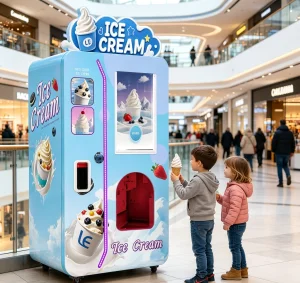
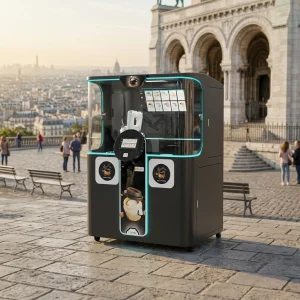
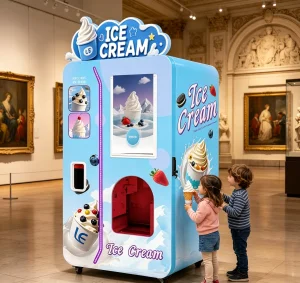
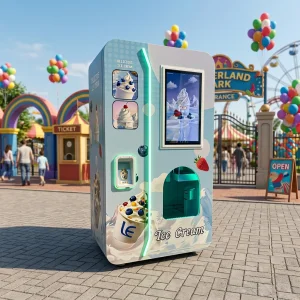
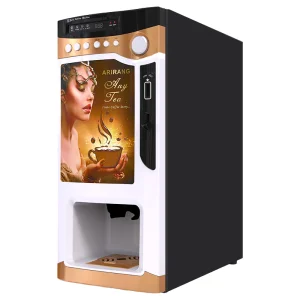
Complete your operations catalog with our heavy-duty commercial beverage and smart automated dessert kiosks.