JoeisaRobot JoeisaRobot

What Is a Hot Beverage Dispenser?

Time:2026-09-19 Author:Mason
0%

A Hot Beverage Dispenser is a machine designed to store, heat, and serve drinks such as coffee, tea, cocoa, or hot water. It may appear in hotels, offices, cafés, healthcare facilities, and busy event spaces. Depending on its design, it can use an insulated container, an internal heating system, or both.

The basic purpose is simple: keep a prepared beverage available at a consistent serving temperature. Some models include adjustable thermostats, portion controls, drip trays, and clear level indicators. A countertop unit might hold several litres, while a commercial dispenser can serve hundreds of cups during a busy morning. The correct capacity depends on demand, cleaning routines, and available counter space.

Small details matter.

A reliable dispenser should provide steady heat without scorching the drink. It should also allow staff to clean contact surfaces quickly and safely. Stainless steel bodies are common because they resist stains and tolerate frequent use. However, material alone does not guarantee quality. Poor insulation, unclear controls, or difficult-to-remove parts can create practical problems.

The term “dispenser” can also be misleading. Some machines only hold and pour beverages, while others brew, heat, and portion drinks automatically. Checking the product specifications prevents expensive misunderstandings. This guide explains the main types, operating features, benefits, limitations, and maintenance considerations. It also reflects a practical concern: convenience should never replace temperature control, hygiene, or proper staff training. A dependable Hot Beverage Dispenser supports efficient service, but its performance depends on thoughtful selection and consistent care.
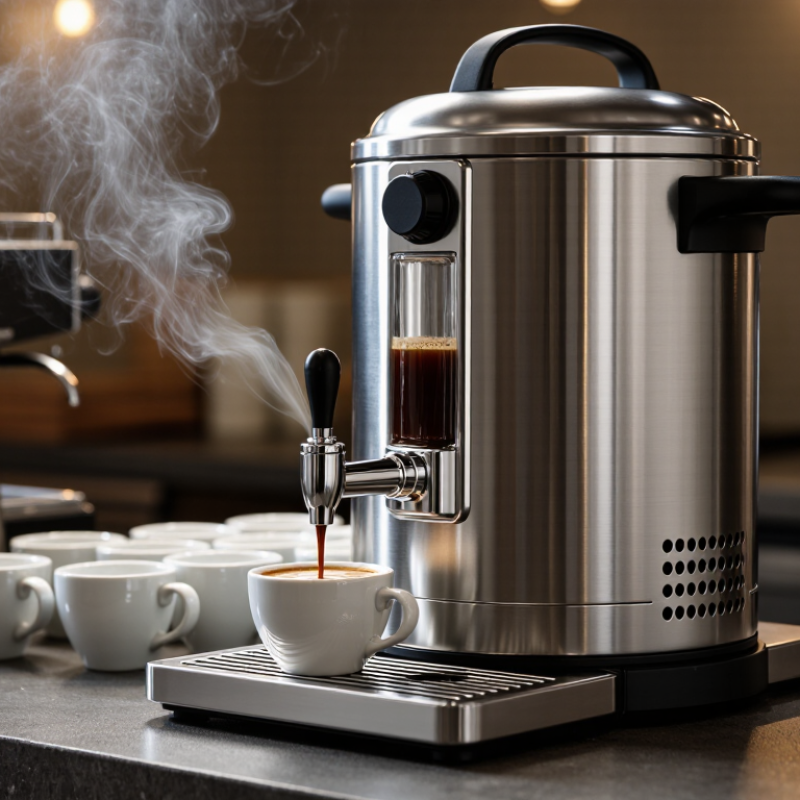
What Is a Hot Beverage Dispenser?

Definition and Core Function of a Hot Beverage Dispenser

What Is a Hot Beverage Dispenser?

Definition and Core Function of a Hot Beverage Dispenser

A hot beverage dispenser is a countertop or floor-standing appliance that stores and serves heated drinks. It commonly holds coffee, tea, cocoa, milk, or flavored water. Its core function is simple: maintain a suitable temperature and deliver controlled portions when needed.

Inside the unit, a heating element warms the liquid through a tank or insulated container. A thermostat monitors temperature changes and reduces overheating risks. Many dispensers use an insulated tap, push button, or serving lever. These parts help users fill cups quickly without lifting a heavy pot. In busy kitchens, offices, clinics, and event spaces, this design can reduce repeated brewing and unnecessary spills.

Good operation depends on more than heat. The container should be cleaned regularly, especially around the tap and lid. Residue can affect taste and create hygiene concerns. From practical use, temperature stability often matters more than maximum heat. A drink that is extremely hot may be difficult to serve safely. I have also found that unclear measurement marks cause inconsistent portions. That small problem deserves attention.

Capacity, insulation quality, and cleaning access influence daily performance. A professional user should check whether the dispenser keeps drinks warm without making them taste stale. Water quality matters, too. Mineral buildup may reduce heating efficiency over time. A reliable cleaning schedule, accurate temperature control, and careful serving habits support safer, more consistent use.、】【

What Is a Hot Beverage Dispenser?

Typical Hot Beverage Holding and Serving Temperatures

A hot beverage dispenser is equipment designed to store, maintain, and serve heated drinks efficiently. Temperature control is its core function: beverages are kept hot enough for service while avoiding excessive heat that can negatively affect flavor and quality. The 60°C threshold is commonly used as a hot-holding safety benchmark.

Main Components and How the Dispensing Process Works

What Is a Hot Beverage Dispenser?

Main Components and How the Dispensing Process Works

A hot beverage dispenser combines controlled heating, storage, mixing, and measured delivery. Its main components include a water reservoir, heating element, thermostat, temperature sensor, pump, dispensing valve, and drip tray. Some models also contain ingredient hoppers for coffee, tea, cocoa, or powdered milk. Insulated pipes help reduce heat loss before the beverage reaches the cup.

The process starts when water enters the heating chamber. The thermostat activates the heater until the selected temperature is reached. A sensor then monitors heat changes during repeated serving. For powdered beverages, a motor releases ingredients into a mixing chamber. Hot water blends with them before the pump moves the drink toward the outlet. Brewed beverages follow a different path, using a filter or prepared holding tank.

Temperature control affects taste, safety, and operating cost. The U.S. Food and Drug Administration Food Code requires hot food holding at 57°C or above. Beverage equipment often uses higher internal settings, but exact temperatures depend on the recipe. Too much heat can damage delicate tea aromas. Too little heat creates weak flavor and poor customer confidence.

Demand remains substantial. The National Coffee Association’s Spring 2024 National Coffee Data Trends report found that 67% of American adults drank coffee within the previous day. That figure supports the need for consistent dispensing during busy periods. Still, consistency is not automatic. Sensors may drift, pumps may wear, and cleaning schedules are sometimes underestimated. That assumption needs testing.

Common Types of Hot Beverage Dispensers

What Is a Hot Beverage Dispenser?

Common Types of Hot Beverage Dispensers

Hot beverage dispensers keep drinks warm and make serving faster. Their design usually matches the drink, serving volume, and workplace routine. A café may need continuous service, while a small office may need only a few liters each morning.

Insulated airpot dispensers store brewed coffee or tea without requiring a power connection. Their vacuum walls reduce heat loss, and a pump releases drinks into a cup. Countertop urns work well for meetings, cafeterias, and self-service stations. They often include a heating element, level markings, and a simple tap. However, holding drinks too long can weaken flavor. A timer helps staff avoid this problem.

Plumbed-in dispensers connect directly to a water supply. They can provide hot water, coffee, tea, or several drinks from one unit. These systems suit busy locations with predictable demand. They need professional installation, regular filter checks, and careful temperature monitoring. Single-serve dispensers prepare one portion at a time. They reduce waste but may create more packaging and slower service during rush periods.

The best choice is rarely the largest machine. A dispenser should fit the counter, cleaning schedule, and expected demand. Food-contact parts need frequent washing and thorough drying. Small details matter. A warm exterior, unclear controls, or a difficult tap can frustrate users. No dispenser is perfect, and saving time in service may create extra work during cleaning.

Typical Uses in Homes, Offices, and Commercial Settings

What Is a Hot Beverage Dispenser?

A hot beverage dispenser is a countertop appliance that stores and serves heated drinks. It may hold coffee, tea, cocoa, or hot water. Many models include temperature controls, insulated containers, and simple serving taps. These features help maintain a steady flow during busy periods. However, heat retention depends on the container, drink volume, and surrounding temperature.

At home, a dispenser can support breakfast, family gatherings, or quiet evening tea. During breakfast, it saves repeated kettle use. An office dispenser keeps coffee or hot water available near a shared kitchen. Staff can refill cups quickly between meetings. This reduces interruptions, but it may also increase waste if people take more than needed. Clear labels and smaller serving areas can improve daily use.

Commercial settings require more careful planning. Cafes, hotels, schools, and catering sites often need larger capacity and faster service. Operators should check refill frequency, cleaning access, and spill protection before choosing a unit. A poorly positioned dispenser creates crowded queues and slippery floors. Hygiene matters greatly. Emptying leftovers, washing contact parts, and following the cleaning instructions help protect beverage quality. One overlooked detail is cup placement. A narrow drip area can make service frustrating. In practice, the best dispenser is not always the largest one. It should match demand, staff habits, available space, and the drinks being served.

What Is a Hot Beverage Dispenser? Typical Uses in Homes, Offices, and Commercial Settings

A hot beverage dispenser is an insulated or electrically heated container designed to hold and dispense prepared drinks such as coffee, tea, hot water, cocoa, or soup.

Setting Common Beverage Types Typical Capacity Typical Daily Volume Common Dispenser Format Typical Holding Temperature Main Use and Considerations
Home Kitchen Coffee, tea, hot water, cocoa 1–4 liters 1–10 liters Thermal carafe, countertop urn, or insulated pump dispenser Approximately 60–95°C, depending on the beverage and equipment Useful for family breakfasts, entertaining, and self-service. A compact unit with easy cleaning is usually preferred.
Home Events Coffee, tea, cider, cocoa, hot water 4–12 liters 5–30 liters Electric beverage urn or insulated catering dispenser Approximately 60–95°C Provides multiple servings without repeatedly boiling water. A locking lid, stable base, and heat-resistant handles improve safety.
Small Office Coffee, tea, hot water, instant beverages 3–10 liters 10–40 liters Airpot, thermal server, countertop dispenser, or plumbed hot-water unit Approximately 60–90°C Supports shared self-service during meetings and work shifts. The dispenser should be refilled and cleaned according to its operating instructions.
Large Office or Workplace Coffee, tea, hot water, cocoa, soup 8–20 liters 30–150 liters High-capacity heated urn, beverage station, or plumbed dispenser Approximately 60–95°C Designed for frequent use and quick access. Drip trays, clear level indicators, and multiple dispensing points can reduce queues and spills.
Café or Bakery Batch coffee, tea, hot water, cocoa 5–20 liters per vessel 40–250 liters Commercial thermal server, bulk brewer, or heated beverage dispenser Approximately 60–90°C for holding, with brewing temperatures commonly around 90–96°C Supports repeated service throughout the day. Flavor quality, holding time, portion control, and rapid cleaning are important operational factors.
Restaurant or Buffet Coffee, tea, hot water, cocoa, soup, sauces 5–30 liters 50–300 liters Insulated dispenser, heated urn, soup kettle, or self-service beverage station Usually maintained at or above 60°C for hot holding, subject to local food-safety rules Allows guests or staff to serve beverages continuously. Temperature monitoring, covered openings, and regular sanitation help protect food quality and safety.
Hotel Breakfast Area Coffee, tea, hot water, cocoa 10–30 liters 80–400 liters Multiple thermal servers, bulk coffee dispenser, or automated beverage station Approximately 60–90°C for holding Enables high-volume self-service during concentrated meal periods. Several smaller units may improve beverage choice and reduce waiting time.
Catering and Events Coffee, tea, cocoa, cider, hot water 5–20 liters per dispenser 20–300 liters per event Portable insulated dispenser, electric urn, or transport container Approximately 60–95°C, depending on the product Portability, spill resistance, power availability, and serving speed are key considerations. Separate dispensers help prevent flavor transfer between beverages.
Healthcare and Care Facilities Tea, coffee, hot water, cocoa, broth 3–15 liters 15–120 liters Insulated pump dispenser, controlled-access unit, or beverage cart dispenser Usually maintained at or above 60°C for hot holding, following applicable regulations Units should be easy to sanitize, stable during transport, and designed to reduce burn risks. Temperature and cleaning procedures require close attention.
School or Institutional Dining Hot water, cocoa, tea, coffee, soup 10–30 liters 50–250 liters Bulk heated dispenser, soup kettle, or self-service beverage station Typically at or above 60°C for hot holding, subject to local requirements High-capacity equipment helps serve many users quickly. Child-safe placement, guarded taps, spill control, and routine sanitation are especially important.

Temperature, capacity, and volume figures are typical planning ranges. Actual requirements vary with beverage type, serving time, local food-safety regulations, equipment design, and user demand.

Key Factors for Choosing and Maintaining One

What Is a Hot Beverage Dispenser?

A hot beverage dispenser stores and serves drinks such as coffee, tea, cocoa, or heated water. It usually combines an insulated tank, heating system, dispensing valve, and drip tray. Some models use manual controls, while others offer precise temperature settings and portion controls. The best choice depends on volume, drink type, service speed, and available counter space.

Capacity deserves careful attention. A small office may need a compact dispenser, while a busy dining area needs faster recovery after repeated servings. Larger tanks seem efficient, but they can leave drinks sitting too long. Freshness matters. Check the heating range, insulation quality, valve design, and cleaning access before purchase. Stainless steel surfaces are practical, but hidden seals and narrow tubes may still trap residue. Ask whether replacement parts and service instructions are clearly available. That detail is often overlooked.

Maintenance should follow a written routine, even in a small workplace. Empty leftover beverages daily and rinse removable parts after service. Use the cleaning solution recommended for the equipment material. Remove scale regularly, especially where water is hard. Wipe the exterior, drip tray, lid, and control panel with suitable cleaners. Never ignore a slow valve or unusual temperature change. These signs may indicate buildup, a worn seal, or a sensor problem. Keep a simple cleaning log with dates and staff initials. It is not perfect, but it reveals missed tasks. Temperature checks should also be recorded. A dispenser that looks clean may still need attention inside.

FAQS

What is a hot beverage dispenser?

It stores, heats, mixes, and serves drinks through a controlled outlet. A cup. A steady flow.

Which drinks can it serve?

Common choices include coffee, tea, cocoa, hot water, and powdered milk drinks. Recipes differ.

How does the heating process work?

Water enters a heating chamber. A thermostat activates the heater until the selected temperature is reached. A sensor monitors changes.

How are powdered drinks prepared?

A motor releases measured powder into a mixing chamber. Hot water blends the ingredients before dispensing. Mixing quality matters.

Why is temperature control important?

Temperature affects flavor, safety, and energy use. Excessive heat may damage delicate tea aromas. Too little heat tastes weak.

What temperature should hot drinks reach?

Hot food holding commonly requires about 57°C or higher, but local rules may differ. Check applicable requirements. Recipes need different settings.

Where are hot beverage dispensers commonly used?

Homes use them during breakfast or gatherings. Offices reduce trips to shared kitchens. Cafes, hotels, schools, and caterers need faster service.

How should operators choose the right dispenser size?

Match capacity with demand, refill frequency, staff habits, available space, and drink types. The largest unit may be unnecessary. Bigger is not always better.

What cleaning tasks are important?

Empty leftovers, wash drink-contact parts, and follow the equipment’s cleaning instructions. Check areas around taps and mixing chambers. Cleaning schedules are easy to underestimate.

What practical details can affect daily service?

Place the unit near suitable cups and away from crowded walkways. Protect the floor from drips and spills. Small drip areas frustrate users.

What problems may develop during repeated use?

Sensors can drift, pumps can wear, and heat retention can decline. Regular checks reveal problems before service becomes inconsistent. Consistency is not automatic.

Conclusion

A Hot Beverage Dispenser is a practical appliance designed to heat, store, and serve drinks such as coffee, tea, hot chocolate, and other warm beverages at a consistent temperature. Its core components usually include a heating system, insulated container, temperature controls, lid, and dispensing valve or pump. During operation, the unit heats the liquid, maintains the selected temperature, and releases a measured amount when the user activates the dispenser.

Hot beverage dispensers come in several forms, including countertop models, insulated airpots, urn-style units, and larger commercial systems. They are commonly used in homes, offices, cafés, hotels, schools, and catering environments where convenient access to warm drinks is important. When choosing one, users should consider capacity, heating speed, temperature stability, energy efficiency, ease of operation, and cleaning requirements. Regular maintenance, including rinsing the container, cleaning the dispensing mechanism, removing mineral buildup, and checking seals, helps preserve hygiene, performance, and service life.

Mason

Mason

Mason is a seasoned marketing professional with a deep expertise in the company's offerings and a passion for driving brand awareness. With a strong background in digital marketing strategies, he has an innate ability to connect with diverse audiences and effectively communicate product benefits.......