JoeisaRobot JoeisaRobot

How to Choose the Best Beverage Cooler for Your Business?

Time:2026-10-19 Author:Sienna
0%

Choosing the right Beverage Cooler can influence product quality, daily workflow, and long-term operating costs. A reliable unit should match your sales volume, available space, drink selection, and service environment. A café near a busy station needs different equipment from a small office or boutique hotel.

In a busy store, staff may open the cooler dozens of times each hour. That repeated movement can affect temperature recovery and energy use. This guide examines cooling performance, storage capacity, door design, shelf flexibility, noise, maintenance, and warranty support. It also considers practical details, such as whether the cooler fits beneath a counter or blocks customer traffic. Measure the space carefully, including ventilation clearance and door swing. Small errors matter.

Capacity matters, but bigger is not always better. A six-foot Beverage Cooler may look impressive, yet wasted space increases costs and complicates stock rotation. Glass doors can improve product visibility, while solid doors may offer stronger insulation. Temperature consistency remains essential, especially when beverages must stay chilled during long service hours. Look for clear controls, stable performance, and materials that can handle frequent cleaning.

This advice reflects common commercial purchasing experience and professional equipment considerations. Still, no single model suits every business. A supplier’s sales claims deserve careful checking. Ask about energy ratings, spare parts, local service, and compliance with applicable safety standards. Reliable after-sales support can matter more than a slightly lower purchase price.

The goal is simple. Choose a Beverage Cooler that works quietly, efficiently, and consistently. Review your real operating conditions before deciding. Your first choice may not be perfect. That is worth acknowledging.
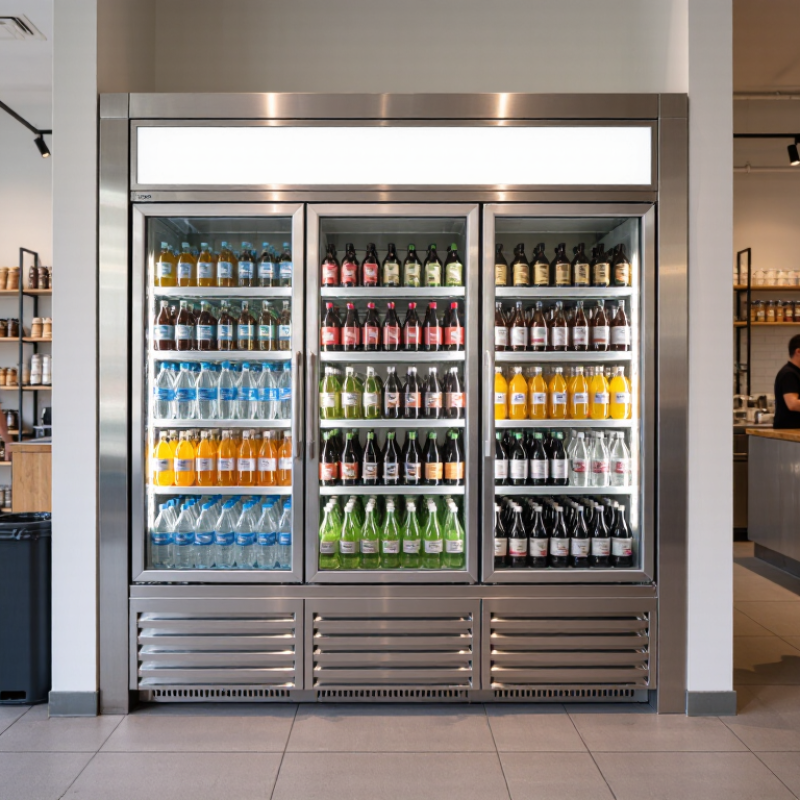
How to Choose the Best Beverage Cooler for Your Business?

Define Your Business’s Beverage Cooling Requirements

Before choosing a beverage cooler, define the products, volume, and service rhythm. The U.S. Food Code recommends holding potentially hazardous refrigerated foods at 41°F (5°C) or below. Beverages may require different settings, so confirm each product’s storage guidance. A cooler for canned drinks may need less internal height than one for tall bottles. Measure the containers, shelves, doorways, and backroom space.

Count daily sales and peak-hour demand, not only average inventory. A busy café may open its cooler dozens of times before lunch. That creates warm-air infiltration and slower temperature recovery. ENERGY STAR guidance reports that refrigeration can represent up to 60% of a grocery store’s electricity use. Energy performance deserves attention. Closed doors, tight gaskets, efficient lighting, and adequate ventilation can reduce operating waste. Small details matter.

ASHRAE’s refrigeration guidance emphasizes airflow, ambient conditions, and correct equipment loading. Leave space around condenser areas and avoid placing the unit beside ovens or direct sunlight. I would also test recovery after repeated door openings. Catalog capacity can look impressive. It may fail during a summer rush. Track internal temperature with a calibrated thermometer for several days, including weekends. The first choice may still be wrong, especially when customer demand changes seasonally.

Compare Cooler Types, Capacities, and Storage Configurations

Choosing a beverage cooler starts with the selling environment, not the product brochure. Upright glass-door models suit busy aisles and self-service areas. Undercounter units preserve floor space behind a counter. Back-bar coolers offer quick access during peak service. Solid-door models usually provide better insulation, but they hide inventory from customers.

Capacity should reflect daily sales, delivery schedules, and peak periods. Measure bottles and cans, including their different heights and widths. A cabinet rated at 20 cubic feet may hold less usable stock after shelving and airflow gaps. Plan for one or two days of reserve inventory. More is not always better. An oversized cooler can waste energy and make older drinks easy to overlook. I have seen storage plans fail because they measured volume, but ignored hand-reach and product rotation.

Storage configuration affects speed and consistency. Adjustable shelves help separate cans, tall bottles, and specialty containers. Sliding shelves can improve access, although they reduce some usable depth. Keep fast-selling items between waist and eye level. Label sections clearly and rotate older stock forward. Check whether the door swing fits nearby equipment and customer movement. Leave the manufacturer’s required ventilation clearance. Use a calibrated thermometer to monitor temperature during busy loading periods. A cooler may perform well when empty, yet struggle after crowded restocking. That detail deserves testing before purchase.

How to Choose the Best Beverage Cooler for Your Business? - Compare Cooler Types, Capacities, and Storage Configurations

Cooler Type Best For Typical Capacity Storage Configuration Approx. Can Capacity* Typical Temperature Range Door Options Key Advantages
Undercounter Cooler Bars, cafés, small restaurants, and service counters 3–6 cu. ft. Adjustable shelves; compact horizontal layout 80–160 standard 12 oz cans 33–41°F (0.5–5°C) Solid or glass; left- or right-hinged options Space-efficient, easy staff access, and suitable for point-of-service storage
Back-Bar Cooler Cocktail bars, pubs, lounges, and beverage stations 6–16 cu. ft. Multiple shelves; dedicated bottle and can zones 160–420 standard 12 oz cans 33–38°F (0.5–3.3°C) Sliding or hinged glass doors Fast product visibility, high accessibility, and efficient bar-area organization
Glass-Door Merchandiser Convenience stores, cafés, bakeries, and grab-and-go areas 18–54 cu. ft. Vertical adjustable shelves; front-facing product display 500–1,500 standard 12 oz cans 33–41°F (0.5–5°C) Single, double, or triple glass doors Strong product visibility, organized merchandising, and self-service convenience
Reach-In Refrigerator Restaurants, hotels, caterers, and high-volume beverage storage 23–72 cu. ft. Full-height adjustable shelves; bulk storage layout 650–2,000 standard 12 oz cans 33–40°F (0.5–4.4°C) Solid or glass; one to three doors Large storage volume, reliable access, and good separation by product category
Bottle Cooler Bars and venues serving bottled beer or beverages 5–20 cu. ft. Sliding baskets, bottle racks, or adjustable dividers 120–500 bottles or cans, depending on layout 32–38°F (0–3.3°C) Sliding solid or glass lids/doors Efficient bottle organization, quick loading, and convenient top or front access
Display Counter Cooler Retail counters, delis, reception areas, and impulse purchases 2–8 cu. ft. Compact shelves with front-facing display space 50–220 standard 12 oz cans 34–41°F (1–5°C) Glass front or lift-up glass top Encourages impulse sales while occupying limited floor or counter space
Remote Condensing Cooler Large retail sites and locations requiring reduced indoor heat 20–60+ cu. ft. Modular shelving; flexible multi-section storage 550–1,700 standard 12 oz cans 33–41°F (0.5–5°C) Glass or solid doors; multi-door configurations Moves condenser heat outdoors or to a utility area and supports large installations

*Approximate can capacities are planning estimates based on standard 12 oz cans and typical shelf layouts. Actual capacity varies by shelf spacing, container size, product mix, and usable interior dimensions.

Evaluate Temperature Control, Energy Use, and Performance

Choosing a beverage cooler begins with temperature control, not appearance. In a busy service area, doors open repeatedly and warm air enters quickly. Look for stable holding temperatures, rapid recovery, and an adjustable thermostat. A practical target is often 1–4°C, but product requirements and local regulations must guide the final setting. Place a data logger inside the cabinet for several days. One display reading is not enough.

Energy use deserves equal attention. The U.S. Department of Energy reports that refrigeration can represent 40–60% of electricity use in supermarkets, where cooling demand is continuous. For smaller businesses, the percentage varies, but the lesson remains relevant. Compare tested annual consumption in kWh, not only purchase price. The U.S. Environmental Protection Agency’s commercial refrigeration specifications identify qualified equipment that uses about 20% less energy than conventional models. Check door seals, lighting controls, insulation, and compressor cycling. Small design details become expensive over twelve months.

Performance also includes noise, condensation control, shelf loading, and service access. ASHRAE’s Handbook—Refrigeration emphasizes evaluating equipment under realistic operating conditions, rather than relying only on laboratory ratings. A cooler may perform well when half empty, yet struggle when packed tightly during a weekend rush. That weakness matters. Energy ratings can also mislead when ambient temperatures differ from test conditions. Record cabinet temperature, room temperature, door openings, and monthly kWh after installation. Then review the results honestly. The cheapest unit may not remain cheap.

Assess Installation Needs, Durability, and Maintenance

Choosing a beverage cooler starts with the installation site, not the product photo. Measure doorway width, floor space, and service access before ordering. A cooler may fit the counter but fail through a narrow entrance. Leave the clearance specified by the manufacturer around ventilation panels. Restricted airflow increases energy use and stresses the compressor. Place the unit on a level, stable surface, away from ovens, direct sunlight, and frequent water exposure. A qualified electrician should verify the outlet, grounding, and circuit capacity.

Durability depends on daily handling. In a busy café, doors can open hundreds of times, while shelves may carry heavy glass bottles. Choose strong hinges, corrosion-resistant surfaces, and shelves rated for the intended load. Inspect the door seal closely; it should grip evenly without gaps. I once selected a cooler with excellent capacity but weak shelf supports. The design looked efficient. It was not. That mistake changed how I assess long-term wear.

Maintenance should be simple enough for tired staff to follow. Wipe spills immediately, clean shelves with a suitable mild cleaner, and check the condenser area regularly. Dust buildup can reduce cooling performance. Keep a basic log for temperature checks, cleaning, unusual sounds, and door-seal damage. A digital thermometer helps reveal problems before drinks become warm. Do not ignore small issues. A loose hinge or blocked vent can become an expensive service call. Yet cleaning too aggressively can damage finishes, so the maintenance method deserves review, too.

How to Choose the Best Beverage Cooler for Your Business?

Compare common commercial cooler formats by installation complexity, expected service life, and annual maintenance requirements. Use these planning benchmarks alongside local code requirements and manufacturer specifications.

Scores are planning benchmarks on a 100-point scale. Higher installation and maintenance scores indicate greater complexity or workload, while a higher durability score indicates a longer expected service life.

Balance Purchase Costs, Operating Expenses, and Warranty Coverage

How to Choose the Best Beverage Cooler for Your Business?

Purchase price is only the first number to examine. A cooler priced 20% lower may consume more electricity every day. ENERGY STAR reports that certified commercial refrigeration equipment can use about 20% less energy than standard models. Over five years, that difference can outweigh the original saving.

Estimate annual operating costs before ordering. Record the cooler’s rated wattage, expected daily use, and local electricity rate. For example, a 600-watt unit running continuously uses roughly 5,256 kilowatt-hours yearly. At $0.15 per kilowatt-hour, electricity alone costs about $788 annually. Actual results vary with door openings, room temperature, and loading habits. They always do.

Look closely at warranty coverage. A three-year parts warranty may sound strong, but labor, refrigerant, transport, or sealed-system repairs might be excluded. The U.S. Department of Energy’s commercial equipment standards show why efficiency deserves careful comparison, not casual guessing. Ask for compressor coverage, service response times, and approved repair procedures in writing. The ASHRAE Handbook also emphasizes correct installation and maintenance for reliable refrigeration performance. A low-cost cooler still needs airflow around its condenser, routine cleaning, and stable placement away from ovens. I sometimes overvalue the purchase discount. That is a costly habit. A simple five-year spreadsheet, including energy, service, and warranty gaps, gives a more honest buying decision.

FAQS

How should I define my beverage cooler requirements?

List your products, container sizes, daily sales, and peak-hour demand. Measure bottles, cans, shelves, doorways, and backroom space. Average inventory can mislead you.

What temperature should a beverage cooler maintain?

Follow each product’s storage guidance. Use a calibrated thermometer and record temperatures for several days. Include weekends and busy loading periods.

Which cooler type suits a busy self-service area?

Upright glass-door models support quick browsing and customer access. They work well in busy aisles. Visibility can speed up purchasing.

When is an undercounter or back-bar cooler better?

Undercounter units save floor space behind counters. Back-bar models provide fast access during busy service. Measure door swings and nearby equipment carefully.

How much cooler capacity does my business need?

Base capacity on daily sales, delivery schedules, and peak demand. Keep one or two days of reserve stock. More space is not always better.

Why can rated capacity differ from usable capacity?

Shelves, airflow gaps, and container shapes reduce usable space. A 20-cubic-foot cabinet may hold less than expected. Hand reach matters too.

How can I organize drinks for faster service?

Keep fast-selling products between waist and eye level. Use adjustable shelves for different container heights. Label sections and rotate older drinks forward.

What operating costs should I compare before buying?

Check wattage, daily runtime, electricity rates, maintenance, and warranty exclusions. A cheaper cooler may cost more every day. My own estimates can still be wrong.

How can I test cooler performance before purchase?

Check temperature recovery after repeated door openings. Test the unit when fully loaded, not only when empty. Summer demand may expose weaknesses.

Where should I place the cooler?

Leave ventilation space around the condenser. Keep the unit away from ovens and direct sunlight. Stable placement helps, but I sometimes underestimate this detail.

Conclusion

Choosing the best Beverage Cooler for your business starts with understanding your daily cooling requirements, including beverage volume, product variety, available space, and customer demand. Compare different cooler types, capacities, door designs, shelving systems, and storage configurations to find an option that supports efficient organization and easy access. Consider whether the unit can maintain stable temperatures under frequent use and evaluate its energy efficiency to help control long-term operating costs.

Before purchasing, review installation requirements such as ventilation, power supply, floor space, and mobility. A durable construction, reliable components, and simple cleaning procedures can reduce maintenance challenges and extend service life. Finally, compare the purchase price with expected operating expenses, maintenance needs, and warranty coverage. The best choice is not always the least expensive model, but the one that delivers dependable performance, practical storage, efficient operation, and strong overall value for your business.

Sienna

Sienna

Sienna is a skilled marketing professional with a deep expertise in our company’s core products and services. With a passion for innovation and detail, she plays a pivotal role in crafting insightful blog posts that not only highlight the unique features of our offerings but also provide valuable......