 JoeisaRobot
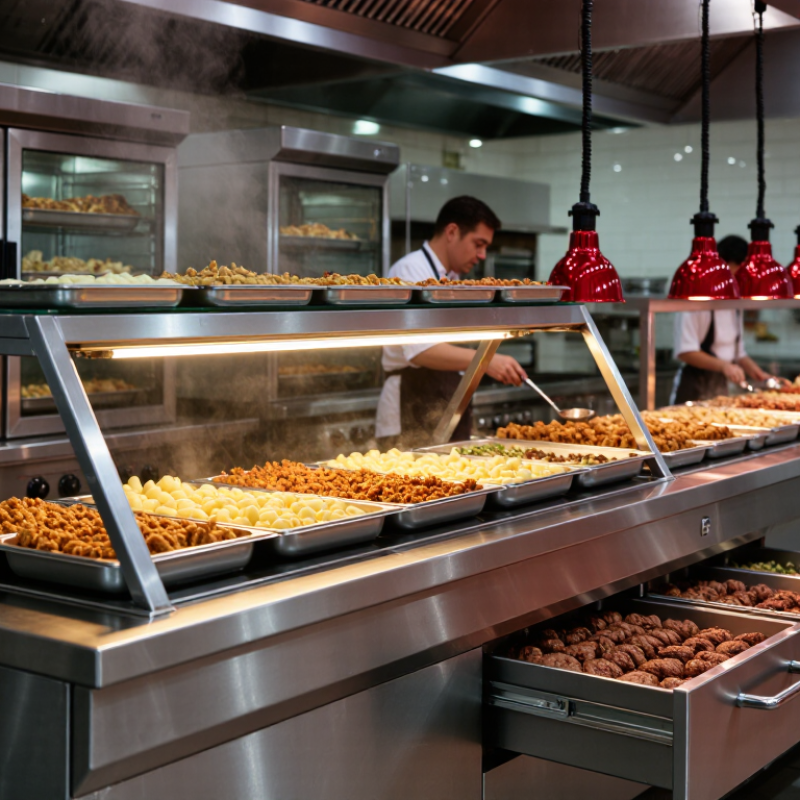
Choosing among the seven best food warmers for commercial use requires more than comparing capacity. A countertop cabinet, heated shelf, water bath, dry well, induction warmer, soup kettle, or pass-through unit must support safe holding. Under HACCP procedures, record food temperature at scheduled intervals, not only when service begins. Keep hot food at 135°F (57°C) or above, unless local regulations require a stricter limit. Use a calibrated probe, and check the thickest portion.
The four-hour limit needs careful control. Mark the loading time on every pan, then discard food that exceeds the permitted holding period. Never mix a fresh batch with older food. That shortcut feels efficient, but it weakens traceability. Select warmers with stable thermostats, visible displays, and insulation that reduces heat loss. Water-based units often protect moisture, while dry heat may suit roasted items better. Energy use also depends on lid placement, preheating, and opening frequency.
Tips: Clean spills immediately, then wash, rinse, sanitize, and air-dry removable parts. Follow the warmer’s cleaning instructions, especially around heating elements and electrical connections. Keep raw-food tools separate from ready-to-eat utensils. A small logbook can record temperatures, cleaning times, corrective actions, and staff initials. Train workers to notice cold corners, cracked seals, and unusual cycling. I would also review the logs weekly; real kitchens are imperfect, and unnoticed habits can defeat good equipment.
